Boosting Efficiency in Large-Scale Fabric Warehouses
Managing a large-scale fabric warehouse is no easy task. With thousands of rolls arriving, stored, and dispatched daily, even the smallest inefficiency can cause significant delays.
 amirtha0306
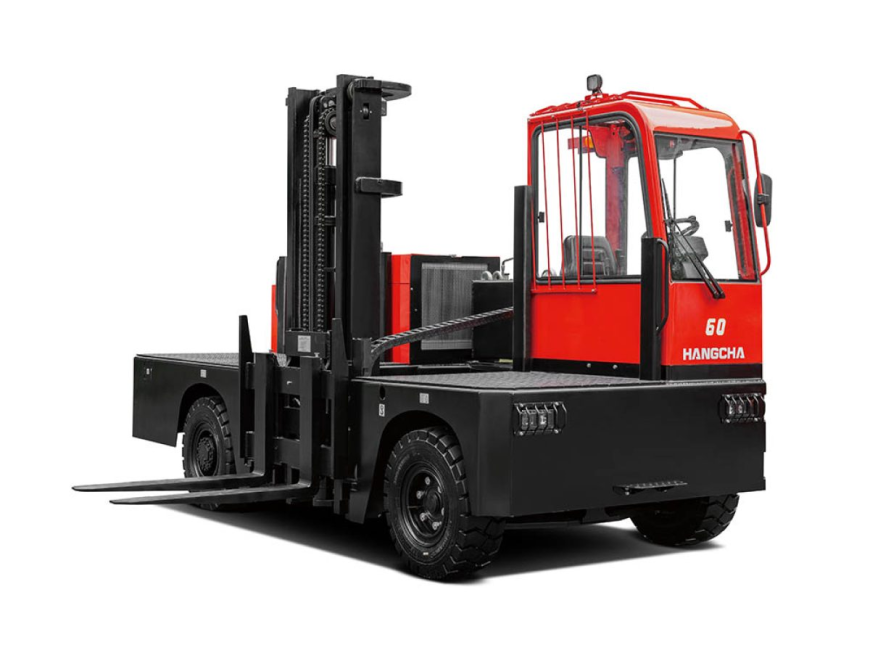
Managing a large-scale fabric warehouse is no easy task. With thousands of rolls arriving, stored, and dispatched daily, even the smallest inefficiency can cause significant delays. This is why warehouses increasingly turn to advanced solutions like fabric roll handling equipment to improve productivity, ensure safety, and streamline operations. As demand for textiles continues to grow, the ability to handle materials effectively is becoming just as important as the quality of the fabrics themselves. The side loader forklift also plays a vital role in boosting the efficiency in large scale fabric warehouses.
Understanding the Challenges in Fabric Warehouses
Fabric warehouses operate differently compared to traditional goods storage facilities. Unlike boxed products that can be stacked neatly, fabric rolls come in a variety of sizes, weights, and materials. Some are delicate and prone to damage, while others are bulky and require specialized handling.
One of the biggest challenges is the sheer volume of rolls that need to be stored without compromising space. Warehouses often span several thousand square feet, yet efficient storage solutions are vital to avoid cluttered aisles and lost inventory. Additionally, rolls must be retrieved quickly and safely to meet tight deadlines for manufacturers, exporters, or retailers.
Manual handling methods may work in smaller operations, but in large-scale warehouses, they create bottlenecks. Workers face increased physical strain, higher chances of errors, and slower turnaround times. This is where technology steps in.
Why Efficiency Matters
Efficiency in a fabric warehouse isn’t just about speed, it’s about accuracy, safety, and cost savings. When fabrics are mishandled, even minor damage can lead to losses. Misplaced rolls also create disruptions in the supply chain, delaying downstream processes like cutting and stitching.
By adopting specialized systems, warehouses can minimize errors, reduce downtime, and improve worker safety. Ultimately, this translates into higher customer satisfaction and better profitability.
The Role of Modern Handling Equipment
Modern material handling systems have transformed how fabric warehouses function. With the right tools, warehouses can store more rolls in less space, retrieve them quickly, and transport them without damage.
Mechanical and automated systems allow operators to move heavy rolls effortlessly, which not only boosts efficiency but also reduces the risk of workplace injuries. Moreover, the ability to handle delicate fabrics with precision ensures that product quality is maintained from storage to delivery.
Storage Solutions for Bulk Fabric Rolls
One of the key areas of efficiency lies in storage. Fabric rolls take up considerable space, and traditional shelving often fails to accommodate their irregular dimensions. Heavy-duty racking systems, cantilever racks, and vertical storage solutions are now being used to make the most of warehouse space.
These solutions provide organized placement, easy accessibility, and protection from external factors such as dust or moisture. When combined with proper handling equipment, these racks ensure that every square foot of the warehouse is used effectively.
Integration of Fabric Roll Material Handling Equipment
In the middle of this transformation is Fabric Roll Material Handling Equipment, which directly addresses the challenges of lifting, moving, and stacking rolls. These systems are designed specifically to handle cylindrical loads with precision, ensuring that fabrics remain intact throughout the process.
Some equipment options include roll lifters, transporters, and lifting attachments for forklifts. Automated guided vehicles (AGVs) are also finding their way into large facilities, providing continuous movement of rolls without human intervention. By reducing manual dependency, warehouses achieve faster turnaround times and minimize the chances of accidents.
Enhancing Safety and Reducing Costs
Safety remains a top priority in large-scale warehouses. Heavy rolls can weigh hundreds of kilograms, and improper handling can cause serious injuries. With advanced equipment, operators can handle these loads safely, with minimal physical strain.
Beyond safety, there’s also a direct impact on cost reduction. When operations run smoothly and without delays, warehouses can cut labor expenses, lower maintenance costs, and reduce product damage. Over time, these savings significantly outweigh the initial investment in equipment.
Digital Tools and Smart Warehousing
Efficiency in fabric warehouses is not just about physical handling—it’s also about information management. Digital inventory systems, RFID tagging, and warehouse management software are increasingly being paired with handling equipment.
By knowing exactly where each roll is stored, operators can locate and retrieve items in minutes instead of hours. This integration between technology and physical equipment is creating the blueprint for the warehouse of the future, where automation and human oversight work hand in hand.
The Road Ahead
The textile industry is evolving rapidly, with growing global demand and tighter deadlines. Fabric warehouses that adapt to these changes by embracing advanced equipment and digital systems will stay ahead of the curve. Efficiency is no longer a choice; it’s a competitive necessity.
Compact yet powerful handling solutions are already making a difference in warehouses worldwide. As technology advances further, we can expect more intelligent, automated, and ergonomic designs to continue shaping how fabric rolls are stored and transported.
Conclusion
Boosting efficiency in large-scale fabric warehouses requires a careful balance of space management, advanced tools, and safety practices. From specialized racks to automated movers, every innovation contributes to a smoother workflow and reduced costs. At the heart of this shift lies the adoption of Fabric Roll Material Handling Equipment, which ensures that warehouses can keep up with the growing demands of the textile industry. By investing in smarter solutions today, fabric warehouses can secure a more productive and profitable tomorrow.