Best Sourdough Bread for the Mediterranean Diet
Discover the best sourdough bread for the Mediterranean diet. Learn health benefits, what to look for, and delicious ways to enjoy this traditional fermented bread.
 sayyal01
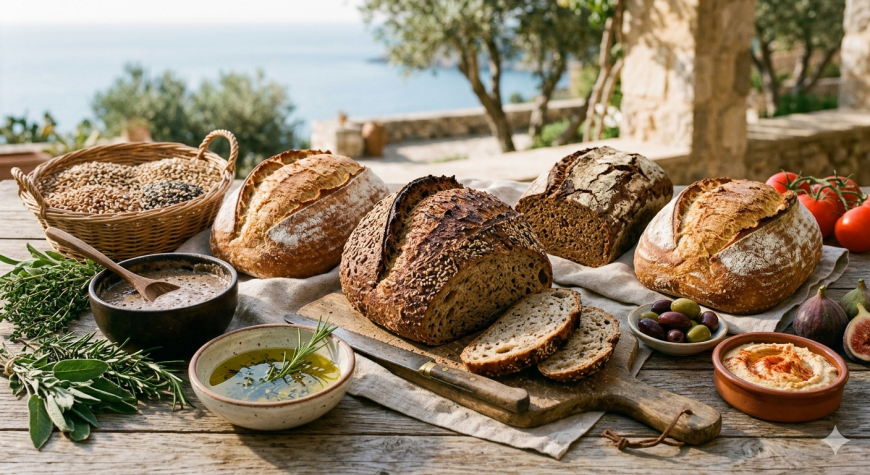
A Match Made in Mediterranean Heaven
Imagine tearing off a piece of warm, crusty bread with a tangy aroma that fills your kitchen. Now imagine dipping it into golden-green extra virgin olive oil sprinkled with herbs. This isn't just a snack, it's a centuries-old tradition at the heart of the Mediterranean diet.
For decades, bread has gotten a bad reputation. Low-carb diets have demonized it. Gluten-free trends have questioned it. But here's the truth: traditional sourdough bread has been a staple of Mediterranean cultures for thousands of years,and for good reason.
The Mediterranean diet, consistently ranked as one of the healthiest eating patterns in the world, emphasizes whole, minimally processed foods. And authentic sourdough bread fits this philosophy perfectly.
In this comprehensive guide, you'll learn:
-
What makes sourdough the best sourdough bread choice for the Mediterranean diet
-
The surprising health benefits backed by scientific research
-
How to identify genuine sourdough (and avoid "sour-faux" imposters)
-
Delicious Mediterranean ways to enjoy your bread
What Is Sourdough Bread?
Sourdough bread is bread leavened using a natural sourdough starter,a living culture of wild yeasts and beneficial bacteria that has been fermented. Unlike commercial bread made with packaged yeast, sourdough relies on a traditional fermentation process that can take anywhere from 2 to 48 hours.
The Simple Ingredients of Real Sourdough
Authentic sourdough contains just three ingredients:
-
Flour (preferably whole grain)
-
Water
-
Salt
That's it. No commercial yeast. No sugar. No preservatives. No dough conditioners.
How Traditional Sourdough Is Made?
The magic happens during fermentation. The sourdough starter creates an ecosystem of:
-
Wild yeasts – Produce carbon dioxide that makes the bread rise
-
Lactic acid bacteria – Create the signature tangy flavor and produce beneficial organic acids
This ancient technique has been used in Mediterranean countries since the time of Greek and Roman civilizations. Today, it's experiencing a well-deserved revival.
Why Sourdough Is the Best Bread for Mediterranean Diet?
The Mediterranean diet isn't about restriction,it's about choosing quality whole foods that nourish your body. Here's why sourdough aligns perfectly with this philosophy.
1. Made from Whole, Minimally Processed Ingredients
The Mediterranean diet emphasizes foods in their natural state. Commercial breads often contain:
|
Commercial Bread |
Authentic Sourdough |
|
Refined white flour |
Whole grain flour |
|
Added sugar |
No sugar |
|
Commercial yeast |
Wild yeast from starter |
|
Vegetable oils |
No oils |
|
Preservatives |
No preservatives |
|
Dough conditioners |
Just flour, water, salt |
Real sourdough contains no additives or ultra-processed ingredients.
2. Lower Glycemic Index for Stable Blood Sugar
One of sourdough's most significant advantages is its lower glycemic index (GI) compared to conventional bread.
-
White bread GI: 71 (high)
-
Whole wheat bread GI: 71 (high)
-
Sourdough wheat bread GI: 54 (low)
How does fermentation achieve this? The lactic and acetic acids produced during sourdough fermentation slow down starch digestion. This means your body absorbs the carbohydrates more gradually, preventing blood sugar spikes and crashes.
For anyone managing blood sugar, weight, or simply wanting sustained energy, this is a game-changer.
3. Easier Digestion and Gut Health Benefits
Have you ever felt bloated after eating regular bread? Sourdough might be different.
The long fermentation process partially breaks down gluten proteins and starches, making the bread easier to digest. While sourdough is NOT gluten-free (people with celiac disease should avoid it), those with mild gluten sensitivity often tolerate it better.
Additionally, the fermentation creates prebiotics,compounds that feed the beneficial bacteria in your gut. A healthy gut microbiome supports:
-
Better digestion
-
Stronger immune function
-
Reduced inflammation
4. Better Nutrient Absorption
Whole grains contain phytic acid, a compound that can bind to minerals like iron, zinc, and calcium, preventing your body from absorbing them.
The good news? Sourdough fermentation significantly reduces phytic acid levels. This means the minerals in your bread become more bioavailable,your body can actually use them.
5. Potential Anti-Inflammatory Effects
A 2024 randomized clinical trial published in Nutrients found that sourdough bread consumption was associated with reduced levels of certain inflammation markers in adults with metabolic syndrome.
While more research is needed, this suggests that sourdough may offer benefits beyond basic nutrition.
What to Look For: Choosing the Best Sourdough Bread?
Not every loaf labeled "sourdough" is created equal. Many commercial bakeries cut corners. Here's how to spot genuine, healthy sourdough.
Read the Ingredient List (This Is Critical)
Authentic sourdough ingredients: Flour, water, salt.
Red flags to avoid:
-
Yeast (commercial yeast on the ingredient list means it's not traditional sourdough)
-
Sugar or honey
-
Vinegar (sometimes added to fake the tangy flavor)
-
Preservatives like calcium propionate
-
Vegetable oils
-
Dough conditioners
Some bakeries use commercial yeast to speed up fermentation while still calling it "sourdough." If yeast is listed, put it back.
Look for Whole Grains
For maximum Mediterranean diet benefits, choose sourdough made with whole grain flour as the first ingredient. Options include:
-
Whole wheat
-
Spelt
-
Rye
-
Barley (traditional in Mediterranean regions)
Check the Crust and Texture
Real sourdough has distinct characteristics:
-
Thick, chewy, often browned crust
-
Denser, heavier texture than commercial bread
-
Irregular air pockets (holes) inside the crumb
-
Tangy, slightly sour aroma
Ask the Baker
When buying from a local bakery or farmers market, don't be shy. Ask:
-
"Is this made with only flour, water, and salt?"
-
"How long is your fermentation process?"
-
"Do you use commercial yeast?"
Passionate bakers will be happy to share their process.
Delicious Mediterranean Ways to Enjoy Sourdough
Sourdough's robust flavor and sturdy texture make it perfect for Mediterranean-style eating. Here are traditional, healthy ways to enjoy it.
1. Classic Olive Oil Dip
The simplest and most authentic preparation:
-
Toast thick sourdough slices
-
Pour high-quality extra virgin olive oil into a shallow bowl
-
Add a sprinkle of sea salt, black pepper, and dried oregano
-
Dip and enjoy
2. Bruschetta
-
Toast sourdough slices until golden
-
Rub with a peeled garlic clove
-
Top with diced fresh tomatoes, fresh basil, olive oil, and a pinch of salt
3. Soup Companion
There's nothing better than sourdough for soaking up:
-
Minestrone
-
Lentil soup
-
Tomato basil soup
-
White bean and kale stew
4. Open-Faced Tartines
Top your sourdough with Mediterranean ingredients:
-
Mashed avocado, red pepper flakes, and lemon juice
-
Hummus, roasted red peppers, and fresh arugula
-
Ricotta cheese, honey, and walnuts
-
Smoked salmon, capers, and red onion
5. Panzanella (Bread Salad)
This classic Italian salad uses day-old sourdough:
-
Cube stale sourdough and toast until crisp
-
Combine with tomatoes, cucumbers, red onions, fresh basil
-
Toss with red wine vinegar and olive oil
How Much Sourdough Can You Eat?
The Mediterranean diet emphasizes moderation. Bread complements a meal,it shouldn't be the entire meal.
A good guideline: 1-2 slices per meal, enjoyed alongside vegetables, healthy fats (olive oil, nuts, avocado), and lean proteins (fish, legumes, poultry).
Pros and Cons of Sourdough for the Mediterranean Diet
Pros
|
Benefit |
Why It Matters |
|
Lower glycemic index |
Prevents blood sugar spikes |
|
Easier digestion |
Fermentation breaks down gluten and starches |
|
Gut health support |
Prebiotics feed beneficial bacteria |
|
Better nutrient absorption |
Reduced phytic acid increases mineral bioavailability |
|
No additives |
Made with just flour, water, salt |
|
Traditional and authentic |
Eaten in Mediterranean regions for millennia |
Cons
|
Drawback |
Consideration |
|
Not gluten-free |
Not suitable for celiac disease |
|
Can be expensive |
Artisan sourdough costs more than commercial bread |
|
Variable quality |
Many "sourdough" products are fake |
|
Requires shopping effort |
Best found at bakeries, not regular grocery stores |
|
Denser texture |
May take getting used to if you're accustomed to fluffy white bread |
Frequently Asked Questions
Is sourdough bread allowed on the Mediterranean diet?
Absolutely yes. In fact, traditional sourdough made with whole grains is one of the best bread choices for the Mediterranean diet. It aligns perfectly with the diet's emphasis on whole, minimally processed foods.
Is sourdough healthier than whole wheat bread?
Both are good choices, but sourdough offers unique benefits. While whole wheat bread provides fiber, sourdough's fermentation process adds advantages:
-
Lower glycemic index
-
Better mineral absorption
-
Easier digestibility
-
Prebiotic benefits for gut health
The ideal choice? Whole grain sourdough,you get the best of both worlds.
Can I eat sourdough every day on the Mediterranean diet?
Yes, in moderation. The Mediterranean diet isn't about eliminating food groups,it's about balance. Enjoy 1-2 slices per day as part of meals rich in vegetables, healthy fats, and lean proteins.
Does sourdough bread have a low glycemic index?
Yes. Sourdough wheat bread has a GI of 54, which falls into the low GI category (below 55). By comparison, white bread and regular whole wheat bread both have a GI of 71 (high).
Is store-bought sourdough real sourdough?
Not always. Many commercial "sourdough" products use commercial yeast, vinegar, and additives to mimic the flavor and texture of real sourdough. Always read the ingredient list. Real sourdough contains only flour, water, and salt.
Can I make sourdough at home?
Yes! Making sourdough at home is rewarding and ensures you know exactly what's in your bread. You'll need:
-
A sourdough starter (you can create one with just flour and water over 5-7 days)
-
Whole grain flour
-
Patience for the long fermentation process
Many online resources and cookbooks can guide you through the process.
Conclusion
The Mediterranean diet has stood the test of time for good reason. It's not about deprivation, it's about choosing foods that are traditional, wholesome, and nourishing.