Best Restaurant Kitchen Cooking Equipment for 2026: Essential Appliances for Faster, More Efficient Food Preparation
Discover the best restaurant kitchen cooking equipment for 2026, including essential appliances for faster preparation, better workflow, and efficiency.
 sophialuna6731
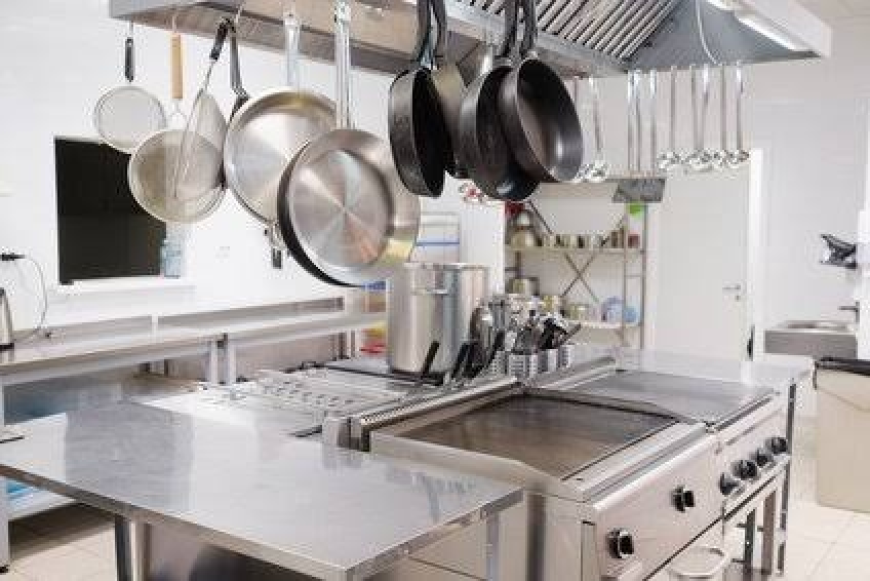
A well-equipped restaurant kitchen is the foundation of fast, consistent, and efficient food preparation. From cooking and grilling to refrigeration, preparation, and food holding, every appliance has an important role in the daily workflow. Choosing the right equipment can help employees work more efficiently while supporting consistent food quality during busy service periods.
In 2026, restaurant owners have more equipment options than ever. However, the best choice is not always the newest or largest appliance. Equipment should match the restaurant's menu, production volume, available space, employee workflow, energy requirements, and budget.
The right restaurant kitchen cooking equipment can help reduce unnecessary movement and make cooking stations easier to manage. A practical kitchen should allow ingredients to move smoothly from storage to preparation, cooking, holding, plating, and finally service.
This guide explores essential cooking appliances and supporting equipment for modern restaurants, cafés, and other food-service businesses.
1. Commercial Range
A commercial range is one of the most useful appliances in a professional restaurant kitchen.
It provides burners for preparing:
- Sauces
- Soups
- Pasta
- Vegetables
- Meat
- Seafood
- Rice
- Side dishes
When selecting a commercial range, consider the number of burners, heat output, fuel type, oven configuration, dimensions, and cleaning requirements.
The number of burners should be based on peak production rather than average service.
A restaurant with a large menu may need several burners operating simultaneously, while a small café may require a more compact configuration.
2. Commercial Convection Oven
A convection oven uses circulating hot air to cook food efficiently.
It can be used for:
- Roasting
- Baking
- Cooking vegetables
- Preparing meats
- Finishing dishes
- Baking pastries
Convection ovens are particularly useful for restaurants that need an oven with multiple applications.
When choosing one, consider chamber capacity, temperature controls, tray configuration, energy consumption, and available installation space.
3. Commercial Fryer
Fried foods are popular in many restaurant menus.
A commercial fryer can be used for:
- French fries
- Chicken
- Fish
- Onion rings
- Vegetables
- Appetizers
Fryer selection should consider oil capacity, recovery speed, temperature control, filtration, cleaning, and production volume.
High-volume restaurants may require multiple fryer wells to prevent delays during peak service.
4. Commercial Griddle
A commercial griddle provides a large flat cooking surface.
It can be useful for:
- Burgers
- Pancakes
- Eggs
- Bacon
- Grilled sandwiches
- Vegetables
- Breakfast foods
Griddles are especially useful in restaurants serving breakfast or fast-casual menus.
Choose a size that matches your peak production while leaving enough workspace around the cooking station.
5. Charbroiler
A charbroiler can provide grilled flavor and visible cooking marks.
It may be used for:
- Steaks
- Burgers
- Chicken
- Seafood
- Vegetables
Restaurants specializing in grilled foods may consider a larger charbroiler, while businesses with occasional grilling requirements may prefer a compact model.
Proper ventilation and grease management are important considerations.
6. Commercial Steam Equipment
Steam cooking can be useful for vegetables, seafood, rice, and other menu items.
Commercial steamers can help restaurants prepare foods without relying entirely on frying or direct heat.
Potential advantages include:
- Batch cooking
- Moist cooking environment
- Consistent production
- Efficient use of kitchen space
The correct type depends on menu requirements and daily production.
7. Food Holding Equipment
Cooking food is only part of the service process.
Prepared food may need to remain ready for plating or customer service.
Food holding equipment can include:
- Heated cabinets
- Warming drawers
- Steam tables
- Heat lamps
- Heated shelves
A holding station should be positioned close to cooking and plating areas.
Food should be held according to appropriate food safety procedures and equipment instructions.
8. Sandwich Preparation Station
Restaurants, cafés, delis, and quick-service businesses often need dedicated space for sandwich preparation.
A sandwich table can provide both preparation space and convenient access to ingredients, depending on the design.
It may be used for:
- Sandwiches
- Wraps
- Salads
- Burgers
- Cold appetizers
- Prepared foods
When selecting a preparation table, consider refrigerated storage capacity, work surface size, ingredient pan configuration, cleaning access, and available space.
9. Café Cooking Equipment
Cafés often operate with smaller kitchens and therefore need equipment that provides multiple functions without taking up excessive space.
Useful cafe cooking equipment may include:
- Compact ovens
- Griddles
- Panini presses
- Soup warmers
- Sandwich preparation tables
- Refrigerated counters
- Commercial blenders
- Food processors
A café serving only coffee and pastries will have different equipment needs from one offering breakfast, lunch, and dinner.
Always start with the menu when creating an equipment list.
10. Commercial Refrigeration
Refrigeration is essential for restaurants handling perishable ingredients.
Common options include:
- Reach-in refrigerators
- Walk-in refrigerators
- Undercounter refrigerators
- Refrigerated preparation tables
- Freezers
Refrigeration should be located near preparation areas where practical.
This can reduce employee movement and make ingredients easier to access during service.
11. Food Processor
A commercial food processor can reduce preparation time for many tasks.
Depending on the model and attachments, it may help with:
- Chopping
- Slicing
- Shredding
- Mixing
- Pureeing
Restaurants producing sauces, vegetables, dressings, dips, and prepared foods may benefit from a suitable food processor.
Choose capacity according to batch size.
12. Commercial Mixer
Mixers are essential for many bakeries and restaurants.
They can be used for:
- Dough
- Batter
- Sauces
- Fillings
- Whipped products
- Mashed foods
Restaurants with bakery items should consider mixer capacity and available attachments.
A mixer that is too small may require multiple batches, while an oversized model can consume unnecessary workspace.
13. Commercial Soup Warmer
Soup warmers can be useful for restaurants, cafés, buffets, and catering businesses.
They can keep prepared soup or similar products ready for service.
When selecting a warmer, consider:
- Capacity
- Temperature control
- Construction
- Cleaning
- Portability
- Service volume
The unit should be placed where employees can access it easily without blocking other cooking stations.
14. Kitchen Ventilation
Proper ventilation is an essential part of a commercial cooking environment.
Cooking equipment can produce:
- Heat
- Steam
- Smoke
- Grease
- Odors
Depending on the equipment and local requirements, commercial exhaust hoods and related ventilation systems may be required.
Ventilation planning should take place before installing major cooking appliances.
Restaurant owners should work with qualified professionals to determine the correct requirements for their specific kitchen.
15. Stainless Steel Preparation Tables
Preparation tables provide workspace for cutting, portioning, assembling, and plating.
Stainless steel is widely used in commercial kitchens because it is durable and relatively easy to clean.
When selecting a table, consider:
- Work surface dimensions
- Height
- Undershelf storage
- Mobility
- Available space
A preparation table should be positioned close to the ingredients and equipment employees use most frequently.
16. How to Improve Kitchen Workflow
Good equipment placement can make a major difference in kitchen efficiency.
A basic workflow might follow:
Storage → Preparation → Cooking → Holding → Plating → Service
Equipment should be positioned according to this process.
For example, a refrigerator can be placed close to preparation tables, while cooking appliances can be positioned near the main preparation line.
This can reduce unnecessary employee movement.
17. Buying New Restaurant Equipment
New equipment can provide predictable condition and may include manufacturer warranty support.
Before purchasing new equipment, consider:
- Warranty
- Installation
- Energy use
- Service availability
- Replacement parts
- Maintenance
- Capacity
The purchase price should not be the only factor.
18. Buying Used Equipment
Some businesses consider a used restaurant equipment store when trying to reduce initial equipment costs.
Used equipment can sometimes provide good value, but buyers should inspect it carefully.
Check:
- Age
- Physical condition
- Controls
- Heating performance
- Refrigeration performance
- Electrical components
- Gas components
- Maintenance history
- Availability of replacement parts
For expensive equipment, professional inspection may be worthwhile before purchase.
19. Energy-Efficient Equipment
Energy consumption can have a significant effect on restaurant operating expenses.
Cooking appliances, refrigeration, dishwashers, and ventilation systems may operate for many hours each day.
When comparing equipment, consider energy use alongside:
- Capacity
- Performance
- Daily workload
- Operating hours
- Maintenance
Do not automatically select the smallest appliance.
An undersized appliance may increase cooking time and create production delays.
20. Equipment for Small Restaurant Kitchens
Small kitchens need careful planning.
Useful solutions may include:
- Undercounter refrigeration
- Compact ovens
- Combination appliances
- Mobile racks
- Wall shelving
- Multifunctional preparation equipment
- Compact cooking stations
Vertical storage can help maximize available space.
Before purchasing equipment, measure doorways, walkways, ceilings, and utility locations.
21. Equipment for High-Volume Restaurants
High-volume restaurants need equipment that can keep up with peak demand.
Potential equipment includes:
- Multiple commercial ranges
- Large-capacity ovens
- Multiple fryers
- Large griddles
- Holding cabinets
- High-capacity refrigeration
- Commercial preparation equipment
The equipment line should be designed around the busiest service period.
However, purchasing more equipment than necessary can create unnecessary expenses and reduce usable workspace.
22. Safety Considerations
Commercial kitchens contain hot surfaces, sharp tools, electrical systems, gas appliances, and slippery areas.
Employees should be trained in safe equipment operation.
Important practices include:
- Keeping walkways clear
- Using appropriate protective equipment
- Following manufacturer instructions
- Cleaning equipment safely
- Handling hot food carefully
- Keeping combustible materials away from heat sources
- Reporting damaged equipment
Safety should be considered before equipment is installed.
23. Cleaning and Maintenance
Regular cleaning is essential for restaurant equipment.
Create maintenance routines for:
- Ovens
- Ranges
- Fryers
- Griddles
- Refrigerators
- Freezers
- Preparation equipment
- Ventilation systems
- Dishwashers
Employees should clean equipment according to manufacturer instructions.
Professional servicing may be required for certain appliances.
Regular maintenance can help prevent unexpected breakdowns and extend equipment life.
24. Choose Equipment Based on Your Menu
The menu should guide equipment selection.
For example:
Burger Restaurant
May need griddles, fryers, refrigeration, preparation tables, and holding equipment.
Bakery
May prioritize ovens, mixers, proofing equipment, racks, and preparation tables.
Café
May require compact ovens, sandwich equipment, soup warmers, refrigeration, and beverage equipment.
Full-Service Restaurant
May need ranges, ovens, fryers, grills, steamers, refrigeration, preparation equipment, and holding systems.
The right setup is different for every business.
25. Create a Commercial Kitchen Equipment Budget
A realistic budget should include more than appliance prices.
Consider:
- Equipment
- Delivery
- Installation
- Electrical work
- Plumbing
- Gas connections
- Ventilation
- Accessories
- Maintenance
- Replacement parts
Prioritize essential equipment first.
Specialty appliances can be added later as the menu and business grow.
26. Plan for Future Growth
A restaurant's equipment needs can change over time.
As customer demand increases, the business may need additional cooking capacity or refrigeration.
When planning the kitchen, leave some room for future expansion.
Avoid filling every available area with equipment.
A flexible layout can make future upgrades easier.
Common Restaurant Equipment Buying Mistakes
Choosing Equipment Without Considering the Menu
Every appliance should have a clear purpose.
Buying Too Much Equipment
Unused equipment consumes space and money.
Buying Equipment That Is Too Small
Insufficient capacity can create delays during busy periods.
Ignoring Maintenance
Every commercial appliance needs routine cleaning and servicing.
Forgetting Installation Requirements
Ventilation, utilities, and access should be considered before ordering.
Ignoring Employee Workflow
Equipment placement should support the way employees actually work.
Final Buying Checklist
Before purchasing restaurant kitchen cooking equipment, review:
- Menu
- Daily production
- Peak service volume
- Kitchen size
- Available floor space
- Equipment capacity
- Utility connections
- Ventilation
- Refrigeration
- Preparation space
- Food holding
- Cleaning requirements
- Maintenance
- Energy use
- Budget
- Future growth
This checklist can help restaurant owners make more informed purchasing decisions.
Final Thoughts
The best restaurant kitchen cooking equipment is equipment that matches the way a business actually operates. Restaurants need reliable cooking appliances that can handle their menus and peak service periods, while cafés often need compact and flexible solutions.
The right cafe cooking equipment can help smaller food-service businesses prepare breakfast, sandwiches, pastries, soups, and other menu items without using excessive kitchen space. A well-planned sandwich table can also provide an organized preparation area for sandwiches, wraps, salads, and other prepared foods.
Businesses looking to control startup costs may also explore a used restaurant equipment store, but used appliances should always be inspected carefully before purchase. Condition, maintenance history, parts availability, and expected workload should all be considered.
Kitchen planning should focus on workflow as much as individual appliances. Refrigeration, preparation, cooking, holding, plating, and cleaning stations should work together rather than operate as separate areas.
For restaurants, cafés, bakeries, and other food-service businesses planning a kitchen upgrade, Select Kitchen Equipment can be a useful resource for exploring professional kitchen solutions.
FAQs
1. What is the most important restaurant cooking equipment?
Commercial ranges, ovens, fryers, griddles, refrigeration, preparation tables, and food holding equipment are among the most common essentials. The exact list depends on the menu.
2. What equipment does a small café need?
A small café may need compact ovens, griddles, sandwich equipment, refrigeration, preparation tables, soup warmers, blenders, and beverage equipment.
3. Is used restaurant equipment worth buying?
Used equipment can sometimes provide value, but buyers should carefully inspect condition, age, performance, maintenance history, and replacement-part availability.
4. How can I make my restaurant kitchen more efficient?
Organize equipment according to workflow. Keep storage close to preparation, preparation close to cooking, and cooking close to holding and plating.
5. What should I consider when buying a commercial oven?
Consider capacity, menu requirements, cooking time, temperature control, energy use, ventilation, available space, installation, maintenance, and budget.
6. Why is a sandwich preparation table useful?
A sandwich preparation table can combine workspace with convenient access to ingredients, making it useful for sandwiches, wraps, salads, and other prepared foods.
7. Should I buy large equipment for future growth?
Consider future growth, but avoid purchasing excessive capacity. Ideally, choose equipment that meets current demand while providing reasonable room for expansion.
8. How important is commercial kitchen ventilation?
Ventilation is important for managing heat, smoke, steam, grease, and odors. Specific requirements depend on the equipment, building, and local regulations.
9. How often should restaurant equipment be maintained?
Cleaning should generally occur according to daily operating requirements and manufacturer instructions, while servicing should follow the recommended maintenance schedule.
10. How do I choose the right equipment for my restaurant?
Start with your menu and peak production requirements. Then consider kitchen space, employee workflow, capacity, utilities, ventilation, energy consumption, maintenance, and budget.