Best Muscle Recovery Supplements for Active Lifestyles
Discover the best muscle recovery supplements for active lifestyles. Learn how workout recovery supplements, vitamins, and anti-inflammatory nutrients can support muscle recovery, reduce stiffness, and improve performance.
 novasmith2
Whether you're an athlete, fitness enthusiast, or simply someone who enjoys staying active, proper recovery is essential for maintaining performance and preventing injuries. Intense workouts can lead to muscle soreness, stiffness, and inflammation, making recovery just as important as exercise itself. Fortunately, several workout recovery supplements can help support muscle repair, reduce discomfort, and get you back to your routine faster.
In this guide, we'll explore some of the most effective supplements for muscle recovery and how they can benefit active individuals.
Why Muscle Recovery Matters
Exercise places stress on your muscles, creating tiny tears in muscle fibers. This process is a normal part of building strength and endurance, but it also causes temporary soreness and fatigue. Without adequate recovery, your body may struggle to repair itself efficiently, potentially leading to decreased performance and a higher risk of injury.
Combining proper nutrition, hydration, sleep, and targeted supplements for muscle recovery can help optimize your body's natural healing process.
1. Protein Supplements
Protein is one of the most important nutrients for muscle repair and growth. After exercise, your muscles require amino acids to rebuild damaged tissue. Whey protein, casein protein, and plant-based protein powders are popular options that can help meet daily protein needs.
Consuming protein shortly after exercise may support muscle recovery, reduce soreness, and improve overall athletic performance.
2. Branched-Chain Amino Acids (BCAAs)
BCAAs, which include leucine, isoleucine, and valine, play a critical role in muscle protein synthesis. Many athletes use BCAA supplements to support recovery and reduce exercise-induced muscle damage.
These amino acids are among the most popular workout recovery supplements because they may help decrease muscle soreness and promote faster recovery between training sessions.
3. Magnesium
Magnesium is an essential mineral involved in muscle function, nerve signaling, and energy production. Low magnesium levels can contribute to muscle cramps, tightness, and fatigue.
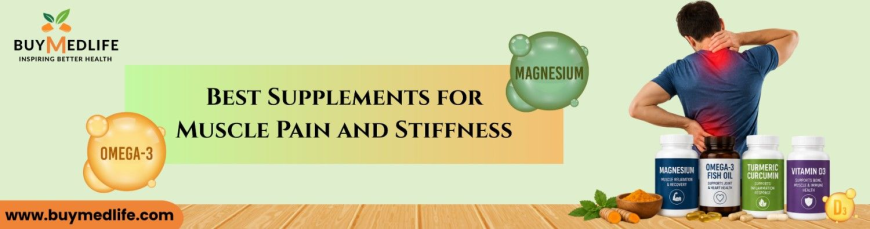
For individuals experiencing muscle tension, magnesium is often recommended among the best supplements for muscle stiffness. It may help support muscle relaxation and improve recovery after strenuous exercise.
Many people searching for the Best Muscle Relaxer for Back Pain explore magnesium as a natural option because of its role in muscle function and relaxation.
4. Omega-3 Fatty Acids
Omega-3 fatty acids, commonly found in fish oil supplements, are known for their anti-inflammatory properties. Exercise can trigger temporary inflammation, especially after intense training sessions.
Adding omega-3s to your routine may support recovery by helping manage inflammation and muscle soreness. Among various supplements inflammation support options, omega-3 fatty acids remain one of the most researched and widely used choices.
5. Curcumin
Curcumin, the active compound in turmeric, is another popular supplement for active individuals. It has powerful antioxidant and anti-inflammatory properties that may help reduce exercise-related discomfort.
Athletes often use curcumin alongside other workout recovery supplements to support joint comfort, muscle recovery, and overall physical performance.
6. Vitamin D
Vitamin D plays an important role in muscle strength, bone health, and immune function. Deficiency in this vitamin has been associated with muscle weakness and prolonged recovery times.
Maintaining adequate vitamin D levels can help support healthy muscles and joints, making it an important addition to a recovery-focused supplement routine.
7. Glucosamine and Chondroitin
While often associated with joint health, glucosamine and chondroitin may also benefit active individuals experiencing joint discomfort from repetitive exercise.
These ingredients are frequently included in formulas containing vitamins for joint pain and stiffness, helping support mobility and comfort during training and recovery.
8. Electrolytes
Sweating during exercise causes the loss of important minerals such as sodium, potassium, and calcium. Replacing these electrolytes is essential for proper muscle function and hydration.
Electrolyte supplements can help reduce muscle cramps, improve hydration, and support overall recovery, particularly after long workouts or endurance activities.
Do Muscle Relaxers Help With Nerve Pain?
A common question among individuals dealing with discomfort is: do muscle relaxers help with nerve pain? Muscle relaxers are primarily designed to reduce muscle spasms and tension rather than directly treating nerve-related pain. While they may provide indirect relief when muscle tightness contributes to discomfort, nerve pain often requires different treatment approaches. Anyone experiencing persistent nerve pain should consult a healthcare professional for proper evaluation and treatment recommendations.
Choosing the Right Recovery Supplements
The best recovery plan depends on your activity level, fitness goals, and nutritional needs. Protein, BCAAs, magnesium, omega-3 fatty acids, curcumin, and electrolyte supplements are among the most effective supplements for muscle recovery available today. Additionally, individuals dealing with stiffness may benefit from targeted supplements for muscle stiffness, while those seeking joint support may consider vitamins for joint pain and stiffness.
By combining smart supplementation with proper rest, hydration, and balanced nutrition, you can support faster recovery, reduce soreness, and maintain an active, healthy lifestyle.