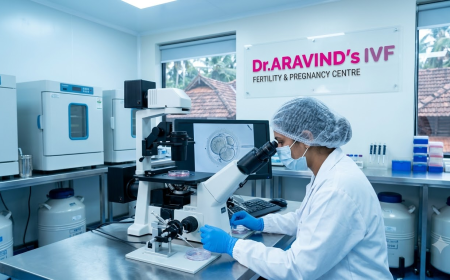
Best IVF Doctor in Kozhikode: What Happens to Embryos?
Learn what happens to embryos during IVF, including fertilization, embryo development, selection, and transfer, with guidance from a fertility specialist in Kozhikode.
 DRAravindIVF
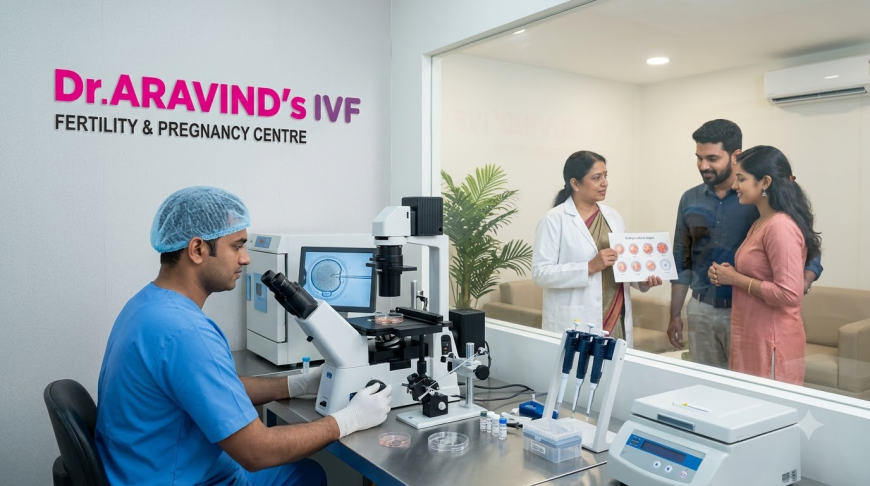
Embryos are at the heart of IVF treatment, yet many couples are unsure about what happens to them after fertilization. Questions often arise about embryo development, transfer, freezing, storage, and what happens to embryos that are not transferred.
When consulting a Best IVF Doctor in Kozhikode, understanding the embryo journey can help couples make informed decisions and feel more prepared for each stage of treatment.
How Does an Embryo Form During IVF?
During an IVF cycle, eggs are collected from the ovaries and combined with sperm in a fertility laboratory. Depending on the circumstances, conventional IVF or ICSI may be used for fertilization.
Once an egg is fertilized, it begins dividing into multiple cells.
The embryology team carefully observes this development over the following days.
Not every fertilized egg develops normally. This is a natural part of human reproduction and can happen even when treatment has been carefully performed.
What Happens During Embryo Culture?
After fertilization, embryos remain in controlled laboratory conditions while they develop.
Embryologists monitor their progression and assess characteristics such as cell division and developmental stage.
Some embryos may stop developing before reaching the stage suitable for transfer.
Others may continue developing and reach the blastocyst stage, which usually occurs several days after fertilization.
The decision about when to transfer or freeze an embryo depends on the treatment plan and laboratory assessment.
What Is Embryo Transfer?
Embryo transfer involves placing a selected embryo into the uterus using a thin catheter.
The procedure is generally brief and does not require the embryo to be surgically implanted into the uterine wall.
After transfer, implantation may occur naturally if the embryo attaches to the uterine lining.
A pregnancy test is usually done after the recommended waiting period.
A transferred embryo does not guarantee pregnancy because implantation and early development depend on several biological factors.
What Happens to Remaining Embryos?
Sometimes more than one embryo develops during an IVF cycle.
If there are suitable embryos remaining after the planned transfer, they may be frozen using a process known as vitrification.
Frozen embryos can be stored for future use according to medical recommendations and applicable consent requirements.
This can allow a couple to attempt another transfer without going through ovarian stimulation and egg retrieval again.
Why Are Embryos Frozen?
Embryo freezing may be useful when:
-
More than one suitable embryo is available
-
A fresh transfer is not recommended
-
The uterine lining needs additional preparation
-
Future pregnancy is desired
-
A couple wants to preserve embryos for later treatment
-
Genetic testing requires embryos to remain frozen while results are obtained
The decision depends on the individual's treatment plan.
Can Frozen Embryos Be Used Later?
Yes.
Modern vitrification techniques allow embryos to be frozen rapidly and stored under controlled conditions.
When a frozen embryo transfer is planned, the uterine lining is prepared according to the woman's cycle and medical requirements.
A selected embryo is then thawed and transferred.
Not every frozen embryo will survive the thawing process, although modern freezing methods have made embryo survival considerably more reliable.
What About Embryos That Are Not Suitable for Transfer?
Not every embryo will meet the laboratory criteria for transfer or freezing.
Some may stop developing naturally or may not be considered suitable for continued storage.
The laboratory team follows established procedures for embryo assessment and handling.
Couples should receive clear information about these possibilities before treatment and understand the consent process associated with embryo storage and future decisions.
Who Decides What Happens to Stored Embryos?
Embryo storage involves important medical, ethical, and legal considerations.
Couples are generally asked to provide informed consent regarding storage and possible future use.
The specific choices available can depend on applicable regulations, clinic policies, and the consent documents signed before treatment.
Because circumstances can change over time, couples should understand the implications of their decisions before signing the relevant forms.
Can Embryos Be Tested Genetically?
In selected circumstances, embryos created through IVF may undergo preimplantation genetic testing.
This may be considered when there is a known inherited condition or certain chromosome-related concerns.
Testing does not guarantee the birth of a completely healthy child because it only evaluates specific genetic characteristics covered by the test.
Genetic counseling may be useful when couples are considering this option.
Does More Embryos Mean Better IVF Outcomes?
Not necessarily.
Having several embryos may provide more opportunities for transfer, but embryo quantity alone does not determine pregnancy or live birth.
Age, egg quality, sperm quality, embryo development, uterine health, and other reproductive factors can influence outcomes.
A single well-developed embryo can sometimes result in pregnancy, while several embryos may not lead to a successful outcome.
This is why treatment decisions should focus on embryo quality and the overall clinical picture rather than simply counting embryos.
What If a Couple Does Not Want Further Treatment?
Some couples may have remaining frozen embryos after completing their family or deciding not to continue treatment.
The available options depend on the consent provided, clinic procedures, and applicable laws and regulations.
Possible pathways may include continued storage for a defined period, use in future treatment, or other legally permitted options.
These decisions can be emotionally difficult, so couples should have adequate time to understand their choices.
How Can Couples Prepare for IVF?
Before starting treatment, ask your fertility team:
-
How will embryos be assessed?
-
How long will they be cultured?
-
Is embryo freezing recommended in our case?
-
What are the storage arrangements?
-
What happens to embryos that are not suitable for freezing?
-
What decisions will we need to make in advance?
-
What happens if we have embryos remaining after completing our family?
Having these conversations early can prevent confusion later.
For couples comparing a Best fertility Clinic in Kerala, embryo laboratory standards, qualified embryologists, transparent consent procedures, and clear communication should be among the factors considered.
Conclusion
Embryos created during IVF undergo carefully monitored development in a fertility laboratory. Some may be transferred, while suitable remaining embryos can often be frozen for future treatment. Others may stop developing or may not be suitable for storage.
Understanding the process before starting treatment can help couples make decisions with greater clarity and confidence.
If you are considering IVF and want to understand embryo development, freezing, transfer, or storage decisions, schedule an appointment with a qualified fertility specialist and discuss the options that are appropriate for your individual treatment plan.