The Psychology Behind AI-Driven Impulse Purchases
Discover how AI consumer psychology drives impulse purchases using emotions, data, and personalization in today’s ecommerce landscape.
 lisamarcus
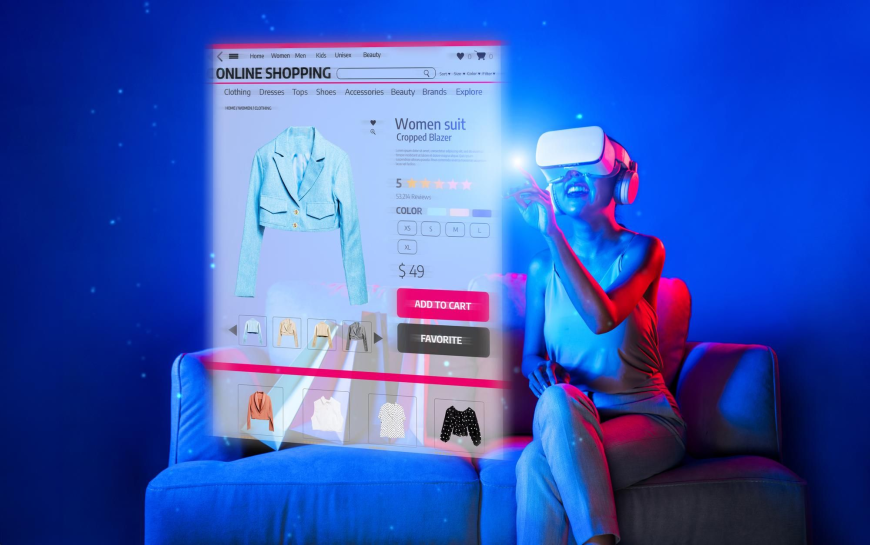
Artificial intelligence is fundamentally reshaping how—and why—consumers make impulse purchases online. In 2025, AI consumer psychology is at the heart of ecommerce strategies, leveraging data, emotion, and behavioral science to turn fleeting interest into instant sales. From personalized nudges to dynamic pricing, today’s AI doesn’t just follow your shopping habits—it predicts and persuades them.
The Science of Impulse: Why We Buy Without Thinking
Impulse buying is a spontaneous, emotion-driven act where shoppers make unplanned purchases, often triggered by external stimuli and internal psychological cues. AI consumer psychology supercharges this process by:
- Analyzing micro-behaviors: Every click, scroll, and pause is tracked and interpreted, allowing AI to anticipate when a shopper is most susceptible to a nudge.
- Personalizing experiences: Algorithms deliver product suggestions, discounts, and messages tailored to individual preferences, making offers feel uniquely relevant and urgent.
“Understanding why we buy in the moment gives AI the edge over traditional sales tactics,” says Dr. Selena Mays, behavioral psychologist at the Digital Commerce Institute.
Emotional Triggers: The Heart of AI Consumer Psychology
Recent U.S. studies reveal that AI shopping assistants are highly effective at influencing consumer emotions. According to a 2025 Chadix study, 70% of U.S. consumers admitted to being emotionally swayed by AI during shopping. The main emotional triggers include:
- Excitement (70%): AI recommendations often create a sense of discovery and novelty.
- FOMO (65%): Limited-time offers, flash sales, and dynamic pricing induce urgency, pushing consumers to act fast before missing out.
- Guilt (55%): Personalized reminders and “last chance” notifications can nudge shoppers to complete purchases, especially among Gen Z and Millennials.
Personalization and Predictive Power
AI-driven recommendation engines and dynamic pricing algorithms have become so advanced they can predict not just what a shopper wants, but when they’re most likely to buy it.
- Product recommendations: AI analyzes browsing history, color/size preferences, and time spent on items to present irresistible, personalized deals.
- Dynamic pricing: Prices adjust in real-time based on demand, inventory, and individual behavior. In a 2025 survey, 62% of consumers noticed price variations for the same product on different visits.
- Scarcity and urgency: AI creates digital scarcity (e.g., “only 2 left!”) and time-sensitive offers to heighten the impulse to buy.
These micro-targeted strategies are rooted in AI consumer psychology, aligning offers with both mood and moment.
Hedonic vs. Utilitarian Impulses
Modern impulse buying isn’t one-size-fits-all. AI distinguishes between two primary motivations:
- Hedonic impulses: Purchases made for pleasure, indulgence, or luxury. AI highlights exclusivity, aesthetic appeal, and emotional storytelling.
- Utilitarian impulses: Purchases made for practicality, savings, or convenience. AI emphasizes bundles, discounts, and features like next-day delivery.
Retailers tailor their messaging and content to match each shopper’s impulse type, increasing the likelihood of conversion.
Generational Insights: Gen Z and Millennials Lead the Way
Gen Z and Millennials are particularly responsive to AI-driven impulse buying. These digital natives are drawn to interactive, hyper-personalized shopping experiences and emotionally-charged nudges.
- They respond quickly to social validation cues such as “trending now” or “people like you bought this.”
- Instant gratification is key. Real-time alerts and visual recommendations keep them engaged.
This is the demographic driving innovation in behavioral AI retail and demanding smarter, more intuitive platforms.
Real-World Examples in Action
Many ecommerce platforms are integrating advanced tools to influence impulse behavior in real time:
- AI-powered try-on technology stimulates buying by allowing users to virtually try on products, creating confidence and desire to purchase.
- Personalized flash sales appear just before checkout, capturing emotional highs and turning hesitation into action.
One example of innovation in this space is Glance AI. Blending creative styling with user data, it generates personalized, shoppable visuals tailored to your lifestyle—even before you search. Glance AI's lock screen-based platform inspires fashion discovery at a subconscious level.
Check out Glance AI here.
Ethical Considerations: The Fine Line of Influence
With great predictive power comes great responsibility. AI isn’t just nudging for fun—it’s influencing decisions deeply tied to emotions and financial behavior.
Ethical concerns include:
- Manipulative triggers: Using guilt or fear excessively can exploit vulnerable users.
- Transparency: Consumers need to understand when AI is influencing their decisions.
- Data consent: Personalization must come with user control and privacy safeguards.
“Brands have an ethical duty to balance persuasive design with consumer respect,” warns Dr. Irene Michaels, digital ethics advisor at AIECom.
Retailers are encouraged to audit algorithms regularly and ensure that purchase psychology AI is used to enhance, not exploit, shopper experiences.
The Future of AI-Driven Impulse Buying
As AI systems grow more sophisticated, the landscape of impulse buying algorithms will become even more nuanced. We can expect:
- Emotion-aware interfaces: AI will detect emotional states in real time through facial expression, tone, and behavior.
- Predictive shopping timelines: Platforms will begin recommending products based on life stages, upcoming events, and mood.
- Visual-first discovery: With tools like Glance AI leading the way, commerce will shift from keyword-driven to visually inspired experiences.
AI won’t just wait for users to browse. It will pre-emptively offer solutions before a need is even voiced.
Conclusion
AI consumer psychology is revolutionizing ecommerce by turning subtle emotional cues into powerful conversion triggers. From micro-moments to mood-based marketing, AI understands not just what we buy, but why. By personalizing every step of the shopping journey and using emotional intelligence to time its nudges, AI transforms impulse buying into a seamless, responsive experience.
As platforms like Glance AI demonstrate, the next frontier isn’t just smart retail—it’s emotionally intelligent commerce that feels as natural as inspiration itself.
Retailers who can harness these tools ethically will thrive in this new, intuitive era of consumer connection.