Solving Recovery and Performance Challenges with Acupuncture for Athletes
 roopa
roopa
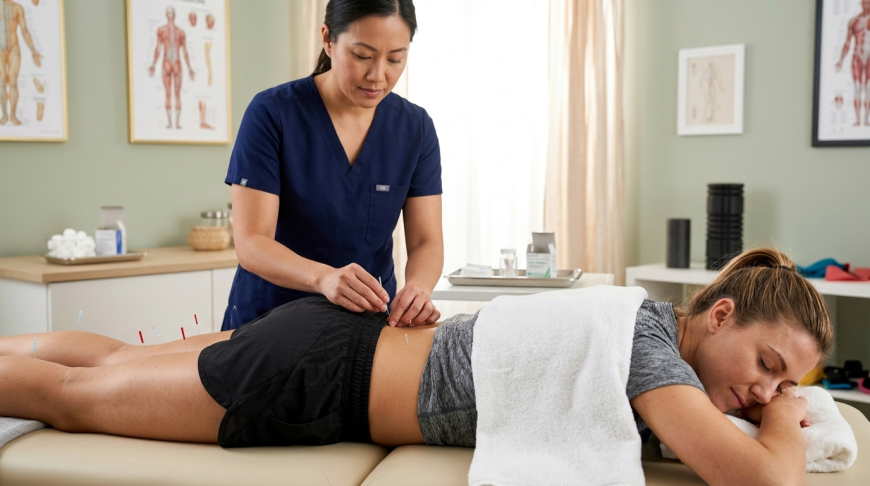
The Competitive Edge You Haven't Tried Yet
Elite athletes are always searching for that extra edge — the recovery tool, training technique, or performance enhancer that separates podium finishes from near-misses. They experiment with ice baths, compression therapy, altitude training, specialized nutrition protocols, and cutting-edge technology.
Yet one of the most powerful performance and recovery tools available has been hiding in plain sight for thousands of years.
Acupuncture for athletes is no longer an alternative therapy relegated to the fringes of sports medicine. It's now a mainstream component of professional sports training programs — used by Olympic teams, NFL franchises, NBA organizations, professional cyclists, elite runners, and competitive athletes across virtually every discipline.
Why? Because the science is clear, the results are measurable, and the performance benefits are undeniable.
The Unique Physical Demands Athletes Face
Athletes don't just push their bodies — they push them to the absolute limits of human capability. This creates a unique set of physiological challenges that conventional recovery and performance strategies often struggle to address completely.
1. Chronic Inflammatory Load
Training at high intensity and volume creates micro-tears in muscle fibers, triggers inflammatory cascades throughout the body, and places enormous metabolic demands on the immune system. While acute inflammation is part of the adaptive training response, chronic systemic inflammation impairs recovery, increases injury risk, and eventually leads to overtraining syndrome.
According to research published in Sports Medicine, up to 60% of endurance athletes show biomarkers consistent with chronic systemic inflammation — a state that directly undermines performance gains and longevity in sport.
2. Delayed Onset Muscle Soreness (DOMS)
The muscle soreness and stiffness that peaks 24-72 hours after intense training is one of the biggest barriers to consistent high-quality training. DOMS reduces power output, impairs coordination, limits range of motion, and increases the risk of compensatory injuries.
3. Central Nervous System Fatigue
High-level athletic performance depends not just on muscle strength but on the nervous system's ability to recruit muscle fibers efficiently, coordinate complex movement patterns, and maintain focus under pressure. Chronic training stress, inadequate recovery, and competition anxiety all contribute to central nervous system (CNS) fatigue — a state characterized by reduced reaction time, impaired decision-making, and diminished motor control.
4. Injury Susceptibility
Intense training volumes, repetitive movement patterns, muscle imbalances, and insufficient recovery time create the perfect storm for both acute injuries (strains, sprains, tears) and chronic overuse injuries (tendinopathy, stress fractures, joint inflammation).
Data from the National Athletic Trainers' Association indicates that overuse injuries now account for nearly 50% of all athletic injuries reported at the high school and collegiate levels.
How Acupuncture for Athletes Addresses These Challenges
What makes acupuncture uniquely valuable for athletes is its ability to simultaneously address multiple physiological systems — muscular, neurological, inflammatory, hormonal, and psychological — within a single intervention framework.
Accelerating Muscle Recovery
Acupuncture enhances muscle recovery through several well-documented mechanisms:
-
Increased local blood flow: Needling stimulates vasodilation and microcirculation in muscle tissue, delivering oxygen, nutrients, and immune cells to damaged fibers while removing metabolic waste products like lactate and hydrogen ions more efficiently
-
Reduced inflammation: Studies show that acupuncture modulates inflammatory cytokines (IL-6, TNF-α, IL-1β), helping resolve inflammation more quickly without suppressing the necessary adaptive responses that drive training gains
-
Trigger point release: Needles inserted directly into myofascial trigger points — hyperirritable muscle knots — produce immediate muscle relaxation and pain relief by releasing contracted sarcomeres and restoring normal muscle fiber length
Research published in the Journal of Alternative and Complementary Medicine (2015) found that acupuncture significantly reduced muscle soreness and improved range of motion in athletes following eccentric exercise compared to sham treatment and control groups.
Enhancing Nervous System Function
Acupuncture's impact on the nervous system is perhaps its most profound contribution to athletic performance.
By stimulating specific acupuncture points, practitioners activate the parasympathetic nervous system — the "rest and digest" branch responsible for recovery, tissue repair, and energy restoration. This parasympathetic activation counterbalances the chronic sympathetic overdrive that intense training creates, allowing the CNS to reset and recover.
Studies using electroencephalography (EEG) have demonstrated that acupuncture increases alpha brain wave activity — associated with relaxed alertness and optimal performance states — while reducing beta wave activity linked to anxiety and mental tension.
Regulating the Stress-Recovery Balance
Training creates stress. Recovery creates adaptation. The balance between the two determines whether an athlete progresses or breaks down.
Acupuncture supports this balance by regulating the hypothalamic-pituitary-adrenal (HPA) axis — the hormonal system that controls cortisol release. By normalizing cortisol patterns, acupuncture for athletes helps maintain the hormonal environment needed for muscle protein synthesis, glycogen replenishment, immune function, and deep restorative sleep.
A study in Evidence-Based Complementary and Alternative Medicine (2013) showed that acupuncture significantly reduced salivary cortisol levels in athletes under chronic training stress — a finding with direct implications for recovery quality and overtraining prevention.
Injury Prevention Through Biomechanical Optimization
Many athletic injuries stem not from single traumatic events but from cumulative biomechanical dysfunction — muscle imbalances, fascial restrictions, joint misalignment, and movement compensations that develop over months or years of repetitive training.
Acupuncture addresses these underlying dysfunctions by releasing tight muscles, deactivating trigger points, improving fascial mobility, and restoring normal proprioceptive feedback from joints and connective tissue. This biomechanical optimization reduces the mechanical stresses that lead to overuse injuries.
At Swissacu Acupuncture Specialists in Redmond, WA, sports acupuncture protocols include detailed movement assessments and functional testing to identify the specific imbalances and restrictions that increase each athlete's injury risk — creating targeted treatment plans that address root causes rather than just symptoms.
Real-World Evidence: What Elite Athletes Are Saying
Acupuncture's integration into professional sports isn't based on anecdote — it's based on results.
Professional Examples:
-
The U.S. Olympic Team has employed acupuncturists as part of their integrated sports medicine staff for multiple Olympic cycles, with athletes across swimming, track and field, volleyball, and gymnastics using acupuncture for both performance enhancement and injury management
-
NFL teams including the New England Patriots, Pittsburgh Steelers, and Denver Broncos have integrated acupuncture into their training and recovery programs, with players using it for everything from chronic pain management to pre-game preparation
-
Professional cyclists on Tour de France teams routinely receive acupuncture during multi-week competitions to manage fatigue, accelerate recovery between stages, and maintain optimal performance under extreme physiological stress
-
NBA players including Kobe Bryant, Shaquille O'Neal, and numerous current stars have publicly credited acupuncture as essential to their longevity and performance at the highest levels
These aren't experimental treatments — they're proven strategies used by athletes whose careers and livelihoods depend on making the right recovery and performance decisions.
The Science Behind Acupuncture for Athletes
While professional testimonials are compelling, the scientific evidence base supporting acupuncture for athletes is equally strong.
Key Research Findings:
-
A systematic review published in Sports Medicine (2016) analyzed 21 studies on acupuncture in athletic populations and concluded that acupuncture significantly improved muscle strength, reduced fatigue, and enhanced recovery markers compared to control conditions
-
Research in the American Journal of Chinese Medicine (2010) demonstrated that acupuncture improved maximum oxygen uptake (VO2 max) and reduced blood lactate accumulation during high-intensity exercise — both critical markers of aerobic performance capacity
-
A study in Evidence-Based Complementary and Alternative Medicine (2014) found that acupuncture reduced delayed onset muscle soreness (DOMS) by up to 50% and improved force production recovery within 48 hours post-exercise
-
The Journal of Strength and Conditioning Research (2018) reported that athletes receiving regular acupuncture treatments showed significantly improved heart rate variability (HRV) — a key biomarker of recovery status and autonomic nervous system balance — compared to athletes receiving standard recovery protocols alone
Common Athletic Conditions Acupuncture Treats
Overuse Injuries
-
Achilles tendinopathy
-
Patellar tendinitis (jumper's knee)
-
Iliotibial band syndrome (ITBS)
-
Plantar fasciitis
-
Rotator cuff tendinopathy
-
Tennis/golfer's elbow
Acute Injuries
-
Muscle strains and tears
-
Ligament sprains
-
Joint inflammation
-
Contusions and bruising
Performance-Limiting Symptoms
-
Chronic muscle tightness
-
Reduced range of motion
-
Pre-competition anxiety
-
Sleep disturbances
-
Training fatigue
What an Athletic Performance Acupuncture Protocol Looks Like
Unlike clinical acupuncture focused purely on pain relief, acupuncture for athletes is periodized and integrated into the training cycle.
Off-Season/Base Phase:
Focus on addressing chronic injuries, biomechanical imbalances, and accumulated fatigue from previous competitive season. Treatments are typically weekly or bi-weekly.
Build/Competition Preparation:
Emphasis shifts to optimizing recovery between high-intensity training sessions, preventing overuse injuries, and fine-tuning nervous system function. Frequency often increases to 1-2 times weekly.
Competition Phase:
Strategic treatments timed around key competitions to enhance recovery, reduce pre-event anxiety, and maintain optimal neuromuscular function. Some athletes receive treatment within 24-48 hours before major events.
Recovery/Regeneration Phase:
Post-season protocols focus on deep recovery, tissue repair, hormonal rebalancing, and preparation for the next training cycle.
Is Acupuncture Safe and Legal for Competitive Athletes?
Yes on both counts. Acupuncture is:
-
Explicitly permitted by the World Anti-Doping Agency (WADA) and does not violate any substance or method prohibitions
-
Considered safe when performed by licensed practitioners using sterile, single-use needles
-
Free of drug interactions with legal sports supplements and medications
-
Non-performance-enhancing in the prohibited sense — it optimizes natural physiological function rather than creating artificial advantages
Athletes subject to drug testing can use acupuncture with complete confidence.
Conclusion: The Performance Tool You're Missing
Athletic performance is ultimately limited not by training volume or intensity alone but by the body's capacity to recover, adapt, and maintain optimal function under stress. Acupuncture for athletes addresses this fundamental challenge by optimizing the physiological systems — nervous, muscular, inflammatory, and hormonal — that determine whether training creates progress or breakdown.
Whether you're a competitive athlete chasing podiums, a weekend warrior pursuing personal bests, or simply someone who takes their fitness seriously, acupuncture offers a scientifically validated, professionally endorsed, and practically effective tool for taking your performance and recovery to the next level.
The world's best athletes already know this. The question is: what's stopping you from experiencing it yourself?