Addressing Persistent Pain After a Collision with Acupuncture After Car Accident
Discover how acupuncture after car accident injuries can relieve persistent pain, reduce inflammation, and speed recovery. Learn what the science says and when to seek treatment.
 roopa
roopa
When the Crash Is Over but the Pain Isn't
The moments after a car accident can feel surreal. The adrenaline rush often masks the true extent of your injuries — and then, hours or days later, the pain sets in. Neck stiffness, throbbing headaches, back pain that won't let you sleep, and a nervous system that feels perpetually on edge.
For many accident survivors, conventional treatments like pain medications, muscle relaxants, and physical therapy provide only partial relief. The pain persists, the tension remains, and daily life becomes a constant negotiation with discomfort.
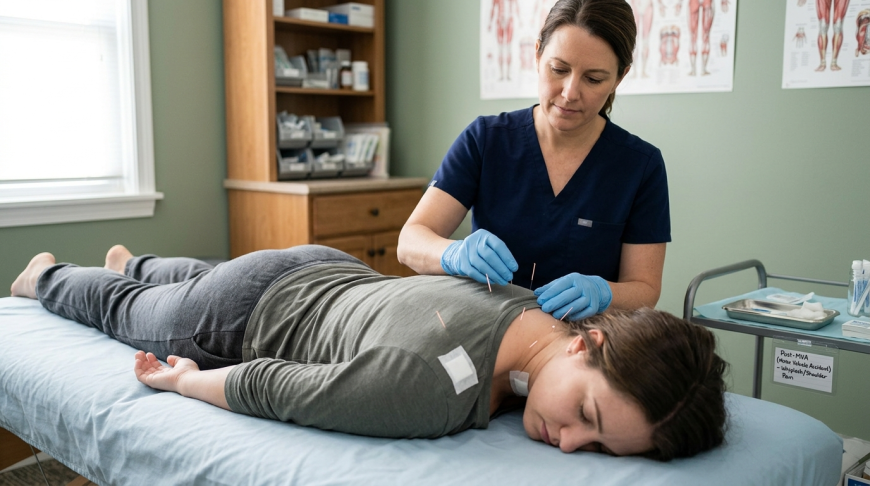
This is exactly where acupuncture after car accident recovery is proving to be a game-changing intervention — not just as a complementary option, but as a frontline therapy for addressing the complex, layered injuries that vehicle collisions create.
Why Car Accident Injuries Are So Difficult to Treat
Car accidents don't just cause a single, isolated injury. They create a cascade of physical and neurological disruptions that are often interconnected and mutually reinforcing.
Common post-accident conditions include:
-
Whiplash and cervical strain — The rapid back-and-forth motion of the neck during impact stretches and tears muscles, ligaments, and tendons in ways that don't always show up on standard imaging
-
Soft tissue injuries — Bruising, micro-tears, and inflammation in muscles, fascia, and connective tissue throughout the body
-
Nerve compression and radiculopathy — Disc herniation or spinal misalignment from impact can compress nerves, causing shooting pain, numbness, and tingling
-
Traumatic headaches and migraines — Often stemming from cervical injury, muscle tension, or concussive forces
-
Post-traumatic stress and anxiety — The psychological impact of a collision can manifest as hypervigilance, sleep disturbances, and chronic nervous system dysregulation
What makes these injuries particularly challenging is that many of them are invisible on X-rays or MRIs, yet profoundly affect quality of life. This is precisely where acupuncture's ability to address both structural and neurological dimensions of pain becomes so valuable.
How Acupuncture After Car Accident Injuries Works
Acupuncture works on multiple physiological levels to address post-accident pain and dysfunction — and its mechanisms align remarkably well with the complex nature of collision-related injuries.
Pain Modulation
Acupuncture stimulates the release of endogenous opioids — the body's natural painkillers — including beta-endorphins, enkephalins, and dynorphins. It also activates descending pain inhibitory pathways in the brain and spinal cord, effectively reducing the intensity of pain signals before they reach conscious awareness.
A 2017 meta-analysis published in the Journal of Pain — one of the most comprehensive analyses of acupuncture for chronic pain to date — analyzed data from nearly 21,000 patients across 39 high-quality trials and concluded that acupuncture produced significantly greater pain relief than either sham acupuncture or no treatment for musculoskeletal pain conditions.
Inflammation Reduction
Soft tissue injuries trigger an inflammatory response that, while initially protective, becomes damaging when it persists. Acupuncture has been shown to regulate pro-inflammatory cytokines, promote anti-inflammatory mediators, and improve local circulation — accelerating the resolution of acute inflammation and preventing the transition to chronic inflammatory states.
Muscle Tension and Spasm Release
One of the most immediate and noticeable effects of acupuncture after car accident treatment is the release of muscle tension and spasm. Needles placed directly into trigger points — hyperirritable knots within muscle tissue — cause local twitch responses that release contracted fibers and restore normal muscle length and function.
Nervous System Regulation
Perhaps most importantly for accident survivors, acupuncture helps regulate the autonomic nervous system — shifting the body out of the chronic "fight or flight" state that trauma and pain create, and into the parasympathetic "rest and heal" mode where genuine recovery can occur.
The Science Supporting Acupuncture for Accident Recovery
Beyond the mechanistic explanations, a growing body of clinical evidence supports the use of acupuncture after car accident injuries.
Key Research Highlights:
-
A study published in Pain Medicine (2014) found that acupuncture provided significant and sustained relief for chronic whiplash-associated disorders — conditions that are notoriously difficult to treat with conventional approaches alone
-
Research in the Clinical Journal of Pain demonstrated that acupuncture reduced neck pain intensity by an average of 50% and improved cervical range of motion significantly more than standard physical therapy alone in patients with whiplash injuries
-
A systematic review in Spine (2016) concluded that acupuncture is an effective treatment for both acute and chronic neck pain — with evidence strong enough to recommend it as a primary intervention rather than a last resort
-
The Acupuncture Evidence Project (2017), a comprehensive review of acupuncture research, rated acupuncture as having "moderate to strong evidence" for treating headache, neck pain, and musculoskeletal pain — all hallmark conditions following vehicle collisions
Conditions Acupuncture Effectively Treats After a Car Accident
Whiplash-Associated Disorder (WAD)
Whiplash is the most common injury reported after rear-end collisions, affecting an estimated 3 million Americans annually according to the Insurance Institute for Highway Safety (IIHS). Symptoms include neck pain, stiffness, headaches, dizziness, and cognitive difficulties often called "brain fog."
Acupuncture addresses whiplash at multiple levels — releasing cervical muscle tension, reducing local inflammation, improving blood flow to injured tissues, and calming the nervous system hyperactivation that perpetuates pain chronicity.
Post-Accident Headaches
Headaches following car accidents can stem from multiple sources — cervicogenic (originating in the neck), tension-type, or post-concussive. Acupuncture has demonstrated effectiveness for all three categories, with particular strength in treating cervicogenic and tension headaches through its direct action on the cervical and cranial musculature.
Lower Back Pain
Lumbar injuries are extremely common in vehicle collisions, particularly in rear-end and side-impact crashes. Disc compression, sacroiliac joint dysfunction, and paraspinal muscle strain all respond well to acupuncture treatment, which reduces pain, improves mobility, and supports tissue healing.
Nerve Pain and Radiculopathy
When disc herniation or spinal compression from accident trauma creates nerve pain — shooting, burning, or electric sensations radiating into the arms or legs — acupuncture can provide meaningful relief by reducing inflammation around the affected nerve roots and modulating pain signal transmission.
Post-Traumatic Anxiety and PTSD
The psychological aftermath of a car accident is frequently underestimated. Studies suggest that up to 39% of car accident survivors develop some degree of PTSD or anxiety disorder following their collision. Acupuncture's documented ability to reduce cortisol, regulate the HPA axis, and activate the parasympathetic nervous system makes it a genuinely effective tool for addressing the emotional and psychological dimensions of accident recovery.
When Should You Seek Acupuncture After a Car Accident?
Timing matters significantly in accident recovery. The sooner acupuncture treatment begins, the better the outcomes tend to be — particularly for preventing acute injuries from transitioning into chronic pain conditions.
General guidelines:
-
Within the first 72 hours: Acupuncture can begin addressing acute inflammation, muscle spasm, and nervous system shock even in the earliest stages of recovery
-
Within the first 2–4 weeks: This window is critical for preventing chronic pain patterns from becoming established in the nervous system
-
Chronic cases (months or years post-accident): Acupuncture still provides significant benefit for long-standing post-accident pain, though a longer course of treatment is typically required
At Swissacu Acupuncture Specialists in Redmond, WA, post-accident acupuncture protocols are carefully designed to match each patient's injury profile, pain levels, and recovery timeline — working in coordination with other treating providers including chiropractors, physical therapists, and physicians.
What a Post-Accident Acupuncture Treatment Plan Looks Like
A comprehensive acupuncture after car accident treatment plan typically includes:
Initial Assessment:
A thorough intake covering the mechanism of injury, current symptoms, pain patterns, sleep quality, emotional state, and any imaging or medical reports from emergency or follow-up care.
Treatment Frequency:
-
Acute phase: 2–3 sessions per week for the first 2–4 weeks
-
Sub-acute phase: Weekly sessions for 4–8 weeks
-
Maintenance phase: Bi-weekly or monthly sessions as needed for ongoing support
Treatment Focus:
Sessions address the primary pain sites while also targeting systemic inflammation, nervous system regulation, and any secondary symptoms like headache, insomnia, or anxiety that accompany the physical injury.
Complementary Recommendations:
Practitioners may also recommend dietary anti-inflammatory strategies, specific exercises, heat or cold therapy protocols, and stress management techniques to support recovery between sessions.
Is Acupuncture Covered for Car Accident Injuries?
In many cases, yes. If your car accident injuries are being treated under a personal injury protection (PIP) insurance claim or through a liability claim against an at-fault driver, acupuncture is often a covered treatment modality.
It's important to:
-
Document your acupuncture treatments carefully as part of your medical record
-
Ensure your acupuncturist provides detailed treatment notes and billing codes
-
Consult with your attorney or insurance representative about coverage specifics in your state
Many patients are surprised to discover that acupuncture is not only covered but actively recommended by personal injury attorneys as part of a comprehensive recovery documentation strategy.
Conclusion: Don't Let Accident Pain Become Your New Normal
Persistent pain after a car accident is not something you simply have to live with. Acupuncture after car accident injuries offers a scientifically grounded, clinically proven path to genuine recovery — addressing the pain, inflammation, muscle dysfunction, and nervous system dysregulation that conventional treatments often leave behind.
Whether your accident happened last week or last year, it is never too early or too late to explore what acupuncture can do for your recovery. The evidence is clear, the safety profile is excellent, and the potential for meaningful improvement is real.
Take the first step toward reclaiming your comfort, mobility, and quality of life — because you deserve to feel like yourself again.