How Do Access, Storage & Material Handling Systems Drive Workflow Precision?
Explore how access, storage, and material handling systems enhance safety, optimize workflow, and reduce costs across warehouses, factories, and logistics sectors.
 joddie25
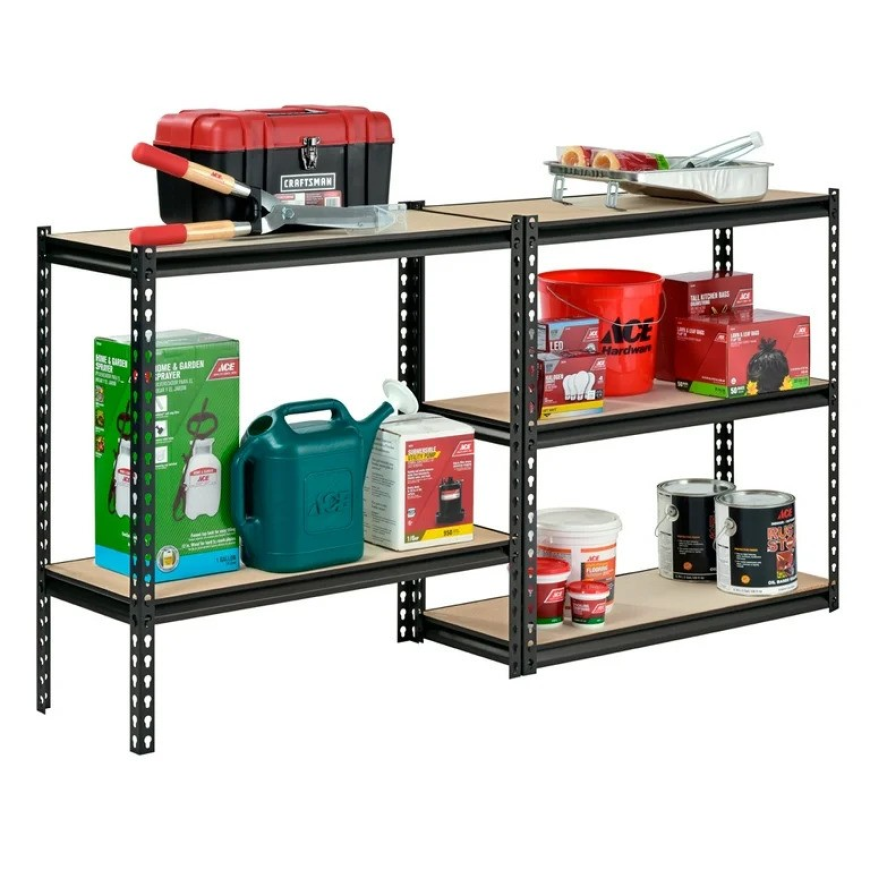
In industries where every second matters and space is a premium, the way materials are accessed, stored, and moved can significantly impact performance. Access, storage, and material handling systems are not just operational necessities, they’re the hidden drivers of productivity, safety, and workplace organization.
What Are the Foundations of Access, Storage & Material Handling?
Access, storage & material handling are functional pillars support the complete material flow in industrial, commercial, and logistics environments. From small hand tools to bulk goods, every item needs to be stored securely, accessed efficiently, and transported safely.
Access: Reaching the Right Tools and Products
Access solutions help personnel reach tools, stock, or equipment positioned above floor level or in restricted spaces. Whether temporary or permanent, these systems improve safety and speed during retrieval or maintenance activities.
Storage: Structuring Inventory for Efficiency
Effective storage systems are designed to maximize available space while keeping materials organized and easy to locate. They prevent clutter, support inventory accuracy, and maintain clear workflow zones.
Material Handling: Moving with Accuracy and Care
Material handling refers to the processes and equipment used to move materials between locations—be it from storage to production or from receiving to dispatch. It includes manual and automated tools aimed at reducing delays and product damage.
What Are the Key Tools and Solutions?
Equipment for Safe Access
- Step ladders: Widely used for low-level access in warehouses and maintenance bays.
- Elevating platforms: Offer safe and stable surfaces for work at height.
- Access gates and rails: Secure restricted zones and protect elevated platforms.
Storage Systems That Organize Efficiently
- Cantilever racks: Ideal for long items such as metal rods or timber.
- Multi-drawer tool chests: Keep frequently used tools sorted and protected.
- Vertical lift modules: Maximize ceiling height while minimizing retrieval time.
- Storage bins and dividers: Maintain order in parts rooms and workshops.
Material Handling Equipment for Movement and Safety
- Platform trucks: Help transport medium-weight goods across the shop floor.
- Belt conveyors: Move products continuously between workstations.
- Load lifters: Assist with vertical repositioning in assembly or loading tasks.
- Wire containers: Provide breathable storage and secure movement of bulky goods.
Which Industries Benefit the Most?
These systems are essential in any environment that handles physical inventory, raw materials, or production equipment.
- Logistics facilities: Depend on rapid order picking and dispatch.
- Electronics manufacturing: Require small component storage and static-safe transport.
- Fabrication shops: Use racks and cranes for heavy material handling.
- Food production: Relies on hygienic, corrosion-resistant storage and transport solutions.
- Retail distribution centers: Need high-density storage and fast-access picking tools.
What Operational Benefits Do These Systems Offer?
Improved Task Flow
When tools and materials are logically stored and easily accessed, employees can focus on core tasks without interruptions.
Safer Environments
Handling aids and access equipment reduce the risk of falls, strains, and accidents caused by improper lifting or cluttered pathways.
Reduced Operational Costs
Optimized layouts and efficient handling reduce waste, downtime, and the need for excessive manual labor.
Higher Inventory Visibility
Clearly organized storage helps supervisors track stock levels and avoid over-ordering or shortages.
What Are the Latest Trends in System Design?
Compact Footprint Solutions
With real estate at a premium, many facilities are moving toward vertical or mobile storage systems that use overhead space or can be repositioned as needed.
Ergonomic Integration
Designers are incorporating ergonomic principles into storage and handling equipment to reduce fatigue and support long shifts.
Data Connectivity
Smart material handling systems now come with tracking, usage analytics, and remote control features, allowing real-time monitoring and operational insights.
Flexible Configurations
Modular shelving, adjustable bins, and convertible carts allow businesses to scale up or down without major infrastructure changes.
How to Plan a System That Works for Your Operation?
A successful implementation starts with understanding the unique demands of your facility.
- Map out workflow paths to identify points of delay or congestion.
- Determine weight and size requirements for storage and transport tools.
- Select storage systems based on stock volume, turnover rate, and item fragility.
- Align access tools with operator height, task frequency, and safety needs.
- Involve teams in equipment selection to ensure usability and acceptance.
Tips for Long-Term Optimization
- Color-code storage zones to designate departments, urgency, or item types.
- Conduct annual layout reviews to adjust for new inventory or process changes.
- Schedule preventative maintenance on lifts, carts, and moving platforms.
- Update labeling systems as stock evolves to prevent misplacement.
- Create standardized operating procedures for handling high-risk materials.
Conclusion
Access, storage, and material handling are the unsung heroes of efficient operations. They don’t just support workflows—they define them. Whether you're managing tools, moving pallets, or organizing shelves, the right system will improve speed, reduce errors, and create a safer workplace.
In an era of constant change and rising operational demands, businesses that invest in flexible, ergonomic, and scalable systems will be better equipped to grow, compete, and adapt.