What Is the Best Food for Pond Fish? A Complete Guide by Protopond
So, what is the best food for pond fish? The answer is a balanced diet built around high-quality pellets, supported by seasonal wheatgerm food, protein-rich summer feeds, and occasional natural treats.
 Robert Micheal
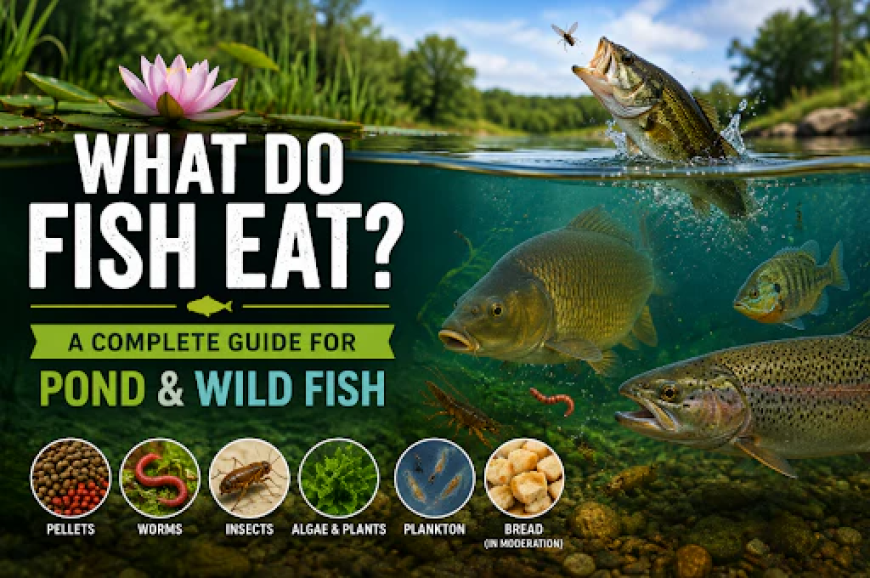
Choosing the right diet for your fish is one of the most important parts of pond care. Many pond owners ask: what is the best food for pond fish? The answer depends on fish type, season, water temperature, and growth stage—but there are clear best practices that work for most ponds.
At Protopond, we help pond keepers build healthy feeding routines that improve fish growth, colour, and water quality. The right food doesn’t just feed your fish—it supports a balanced and healthy pond ecosystem.
Why the Right Pond Fish Food Matters
Good pond fish food directly affects:
-
Fish growth rate
-
Colour brightness
-
Immune system strength
-
Water clarity
-
Oxygen balance in the pond
Low-quality or incorrect food can lead to poor health, slow growth, and dirty water.
So, What Is the Best Food for Pond Fish? (Simple Answer)
The best food for pond fish is a balanced mix of high-quality commercial fish food and natural supplements.
In most cases, the ideal diet includes:
-
High-protein pellets (for growth)
-
Wheatgerm food (for digestion and cold weather)
-
Natural treats (for variety)
-
Occasional vegetables
This combination supports healthy, steady fish development all year.
1. High-Quality Fish Pellets (Best Overall Food)
Fish pellets are the most complete and reliable food for pond fish.
They usually contain:
-
Fish meal
-
Plant proteins
-
Vitamins and minerals
-
Healthy fats
Benefits:
-
Supports fast and healthy growth
-
Easy to digest
-
Reduces water waste
-
Suitable for koi, goldfish, and most pond fish
Pellets should be the main part of your feeding routine, especially in warm months.
2. Wheatgerm Fish Food (Best for Spring & Autumn)
Wheatgerm-based food is ideal when temperatures are cooler.
Why it’s important:
-
Easy to digest in cold water
-
Reduces stress on fish metabolism
-
Supports immune health
This food is especially useful when fish activity slows down.
3. High-Protein Growth Food (Best for Summer)
Summer is the fastest growth period for pond fish.
Best ingredients include:
-
Fish protein
-
Shrimp meal
-
Amino acids
Benefits:
-
Faster growth
-
Strong muscle development
-
Better colour enhancement
Feed this when fish are most active.
4. Natural Foods (Healthy Supplement)
Pond fish naturally eat a variety of foods in the wild.
Safe natural options include:
-
Earthworms
-
Insect larvae
-
Shrimp
-
Algae
-
Small aquatic organisms
Benefits:
-
Encourages natural behaviour
-
Improves nutrition variety
-
Boosts protein intake
Natural foods should be used as a supplement, not the main diet.
5. Vegetables for Pond Fish
Vegetables are a great addition for digestion and health.
Best options:
-
Peas (very popular)
-
Spinach
-
Lettuce
-
Zucchini
-
Cucumber
Benefits:
-
Improves digestion
-
Adds vitamins
-
Reduces constipation issues
Always wash vegetables before feeding.
Foods to Avoid Feeding Pond Fish
Some foods may harm fish health or water quality.
Avoid:
-
Bread
-
Crisps and chips
-
Biscuits
-
Processed human food
-
Sugary or salty items
These foods can pollute water and offer no real nutrition.
How Often Should You Feed Pond Fish?
Even the best food must be given correctly.
General guide:
-
Summer: 2–3 times daily
-
Spring/Autumn: 1 time daily
-
Winter: little or no feeding
Only feed what fish can finish in 2–3 minutes.
Signs You Are Feeding the Right Food
Healthy pond fish show:
-
Bright, rich colours
-
Active swimming
-
Strong appetite
-
Steady growth
-
Clear, clean water
If these signs are visible, your feeding routine is working well.
Common Mistakes Pond Owners Make
Overfeeding
Leads to dirty water and low oxygen levels.
Using one type of food only
Reduces nutrition variety.
Ignoring seasonal changes
Fish needs change throughout the year.
Cheap low-quality food
Creates more waste and weaker fish health.
Pro Tips from Protopond
-
Use pellets as the main diet
-
Adjust food based on season
-
Add natural treats occasionally
-
Avoid overfeeding at all costs
-
Keep water clean for better digestion
Small improvements in feeding habits can greatly improve pond health.
Frequently Asked Questions
What is the number one food for pond fish?
High-quality fish pellets are the best everyday food for pond fish.
Can pond fish eat vegetables?
Yes. Peas, spinach, cucumber, and zucchini are safe options.
Is overfeeding pond fish bad?
Yes. It can cause poor water quality and health issues.
What is the best food for koi fish?
A mix of high-protein pellets and wheatgerm food works best.
Do pond fish need different food in winter?
Yes. In cold weather, wheatgerm food or no feeding is recommended.
Final Thoughts
So, what is the best food for pond fish? The answer is a balanced diet built around high-quality pellets, supported by seasonal wheatgerm food, protein-rich summer feeds, and occasional natural treats.
At Protopond, we believe that the right food choice is the foundation of a healthy pond. When fish are properly fed and water conditions are stable, they grow faster, stay healthier, and show more vibrant colours.
A simple, balanced feeding routine is the key to long-term pond success.