Small Wedding Venues: How to Create a Celebration That Feels Truly Yours
Choosing Small Wedding Venues can also open the door to more creative planning, distinctive settings, and a relaxed atmosphere.
 maraal
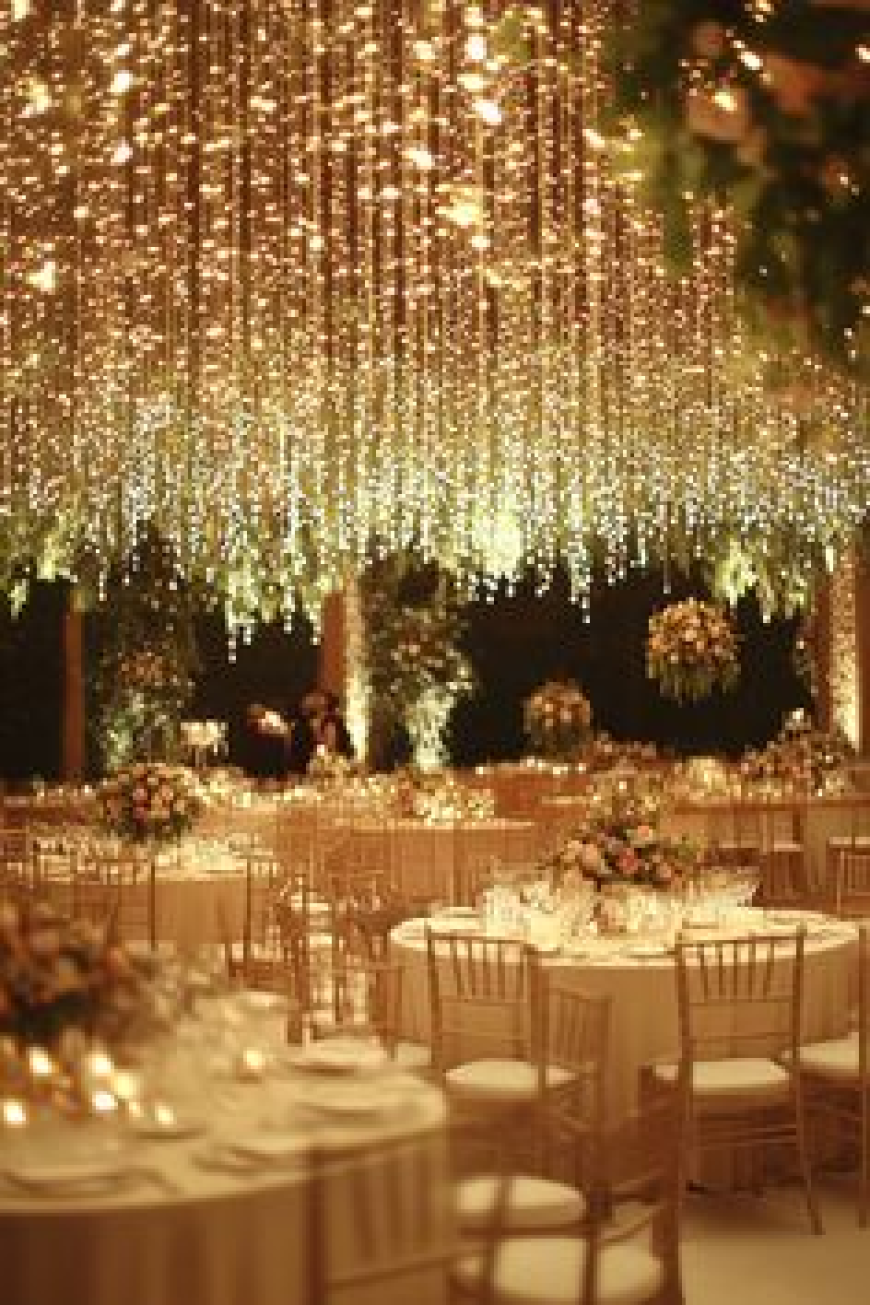
A wedding does not need a huge ballroom, hundreds of guests, or an elaborate production to become a memorable occasion. For many couples, a smaller celebration offers something that a large event cannot easily provide: the chance to spend meaningful time with the people who matter most. Choosing Small Wedding Venues can also open the door to more creative planning, distinctive settings, and a relaxed atmosphere.
Rather than measuring a wedding by its guest count, couples can focus on the experience they want everyone to remember. A carefully selected intimate venue can turn a simple ceremony and reception into an event with personality, warmth, and genuine connection.
Why Couples Are Choosing Smaller Celebrations
Large weddings can be exciting, but they often require extensive planning, larger budgets, and complicated logistics. With fewer guests, couples have more freedom to think about what actually matters to them.
An intimate wedding can make conversations easier, reduce the pressure of moving between different groups, and give the couple more opportunities to interact with individual guests. Instead of spending only a few minutes with each person, newlyweds may be able to enjoy an entire meal, conversation, or special moment together.
A smaller guest list can also make it easier to create a celebration around personal interests rather than traditional expectations.
Finding the Right Type of Small Wedding Venue
The best venue depends on the atmosphere a couple wants to create. There is no single definition of an ideal intimate wedding location.
Garden Settings
A private garden can provide a naturally romantic environment without requiring excessive decoration. Flowers, trees, pathways, and outdoor seating can become part of the visual design.
Garden venues are especially appealing for couples who want daylight ceremonies, outdoor photographs, and a relaxed reception.
Historic Properties
Historic homes, restored buildings, and heritage spaces can give a wedding a distinctive identity. Architectural details may provide a beautiful backdrop for photographs while reducing the need for elaborate décor.
These locations can work particularly well for couples who appreciate vintage, classic, or story-rich environments.
Restaurants and Private Dining Rooms
A restaurant with a private dining area can simplify the reception experience. Catering, tables, service, and food preparation may already be part of the venue's operation.
For a smaller wedding, an intimate dinner can sometimes feel more personal than a traditional banquet. Couples can focus on creating a memorable menu and enjoying the evening with their guests.
See more: small wedding venues northern california
Boutique Hotels
A boutique hotel can combine accommodation, dining, and event space in one location. This arrangement can be convenient when guests are traveling from different areas.
Some boutique properties also feature rooftops, courtyards, lounges, or private rooms that can be adapted for ceremonies and receptions.
Consider the Guest Experience
A venue may look beautiful in photographs but still be unsuitable for an actual wedding. Before making a decision, think about how guests will experience the space from arrival to departure.
Consider parking availability, accessibility, restroom locations, seating arrangements, temperature control, and the distance between the ceremony and reception areas.
For older relatives or guests with mobility concerns, stairs and uneven outdoor surfaces may create unnecessary difficulties. A beautiful location becomes much more valuable when everyone can comfortably enjoy it.
Think Beyond the Guest Count
The number of attendees is important, but it should not be the only factor used when comparing venues.
Imagine how the room will feel once tables, chairs, decorations, a dance area, photography equipment, and food service are added. A venue that technically accommodates your guest list may feel cramped after everything is arranged.
On the other hand, an oversized location can make a small gathering feel strangely empty.
The goal is to find a space where the number of guests and the physical environment complement each other.
Personalization Becomes Easier
One major advantage of Small Wedding Venues is the opportunity to personalize details.
With a smaller event, couples may have more flexibility to introduce elements that reflect their relationship. This could include a favorite meal, handwritten place cards, family photographs, customized music selections, locally sourced flowers, or a meaningful ceremony structure.
Instead of trying to impress a large crowd, the focus can shift toward creating details that have genuine significance.
Budgeting for an Intimate Wedding
A smaller wedding does not automatically mean a low-cost wedding. Couples can still spend significantly on photography, food, décor, entertainment, clothing, and travel.
However, a reduced guest count may allow the budget to be redirected toward areas that matter most.
For example, a couple could choose a more specialized menu, invest in professional photography, select premium floral arrangements, or book an unusual venue without paying for a large-scale event.
Before signing a contract, ask about additional charges such as service fees, cleaning costs, overtime, setup, security, corkage, and equipment rentals.
Ask These Questions Before Booking
A venue tour should involve more than looking around and taking photographs. Ask the coordinator specific questions about how the wedding will operate.
Find out:
-
What is the maximum comfortable guest capacity?
-
Is the ceremony allowed on the property?
-
How long is the rental period?
-
When can vendors begin setup?
-
Are outside caterers permitted?
-
Does the venue provide tables and chairs?
-
Are there restrictions on music or entertainment?
-
What happens if the weather changes?
-
Are there noise limitations?
-
What is included in the quoted price?
-
What payment schedule and cancellation terms apply?
Getting these details in writing can prevent misunderstandings later.
Build the Wedding Around the Venue
Once the venue has been selected, allow its natural character to influence the event design.
A modern restaurant may suit minimalist decorations and contemporary table settings. A garden could inspire seasonal flowers and outdoor dining. A historic property might work beautifully with elegant details that complement its architecture.
This approach prevents the décor from competing with the location. Instead, the wedding feels intentionally designed around the space.
Make the Ceremony Meaningful
Smaller weddings create an opportunity to make the ceremony more personal. Couples can write their own vows, include family members, share a short story about their relationship, or create meaningful traditions.
Because the guest list is intimate, these moments can feel especially powerful. Guests are not simply watching a formal event; they are participating in an important milestone.
Final Thoughts
Choosing Small Wedding Venues is not about making a wedding less important. It is about creating an environment where the celebration can feel more personal, comfortable, and intentional.
The ideal venue should support the couple's vision, suit the guest list, provide practical facilities, and create an atmosphere people will enjoy. Whether it is a garden, historic property, restaurant, boutique hotel, or another distinctive space, the right setting can make a small wedding feel remarkably special.
Ultimately, the strongest celebrations are not defined by size. They are remembered because of the people, emotions, details, and experiences shared throughout the day.
For more information : click here