Top 6 Short Hairstyles for Every Face Shape & Hair Type
Discover the Top 6 short hairstyles for women that flatter every face shape and work beautifully with different hair types. From chic pixie cuts to stylish bobs, these easy summer-friendly hairstyles are perfect for a fresh and effortless look.
 xenderhop
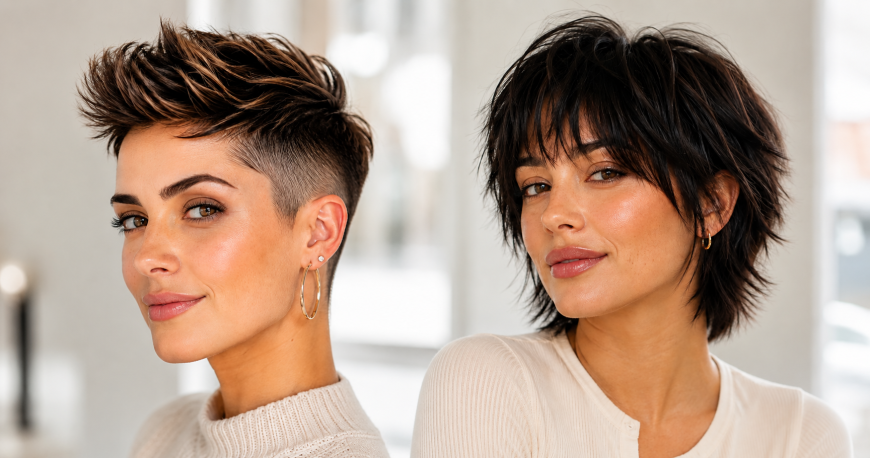
Not every short cut suits every woman — and that's the part most "best short hairstyles" lists skip. A style that looks incredible on a stylist's Instagram model can fall flat if it doesn't account for your face shape, how your hair actually behaves, or how much time you're willing to spend on it each morning. The good news: once you understand what makes a short cut work for you specifically, choosing one gets a lot less intimidating.
Below, you'll find six of the most flattering, wearable short hairstyles for women right now, plus honest guidance on maintenance, styling difficulty, and who might want to think twice before booking the chop.
How to Choose the Right Short Hairstyle for You
Match It to Your Face Shape
A hairstyle flatters a face shape when it balances proportions your bone structure already has — not because a celebrity happened to wear it well. Rounder faces generally benefit from styles with height at the crown and length at the jaw or below, since this elongates the face rather than adding width. Square and angular faces often look softer with cuts that have movement and rounded layers near the jaw. Oval faces have the most flexibility since the proportions are already balanced. If you want a deeper breakdown by shape, our guide to hairstyles for round faces walks through exact cut recommendations.
Match It to Your Hair Type and Density
The same haircut behaves completely differently depending on your hair's texture and density. Straight hair shows every line of a cut clearly, which makes precision styles like blunt bobs look crisp but also means any unevenness is more visible. Wavy hair softens sharp lines and adds natural movement, often needing less daily styling. Curly and coily hair will appear shorter than the actual cut length due to shrinkage, so a stylist experienced in curls should always cut it dry or with your curl pattern activated. Fine hair reads best with less internal layering (too many layers can make it look thin), while thick hair usually needs layers just to avoid bulk.
Match It to Your Lifestyle
Be honest about your actual morning routine before you commit. If you wash-and-go most days, choose a cut that has shape in its natural state, not one that only looks good freshly blown out. If you live somewhere humid, avoid styles that rely on sleek, pin-straight lines, since humidity will fight you daily. If your workplace is more conservative, factor that into how bold you go with an undercut or asymmetry.
6 Best Short Hairstyles for Women Right Now
1. Classic Bob
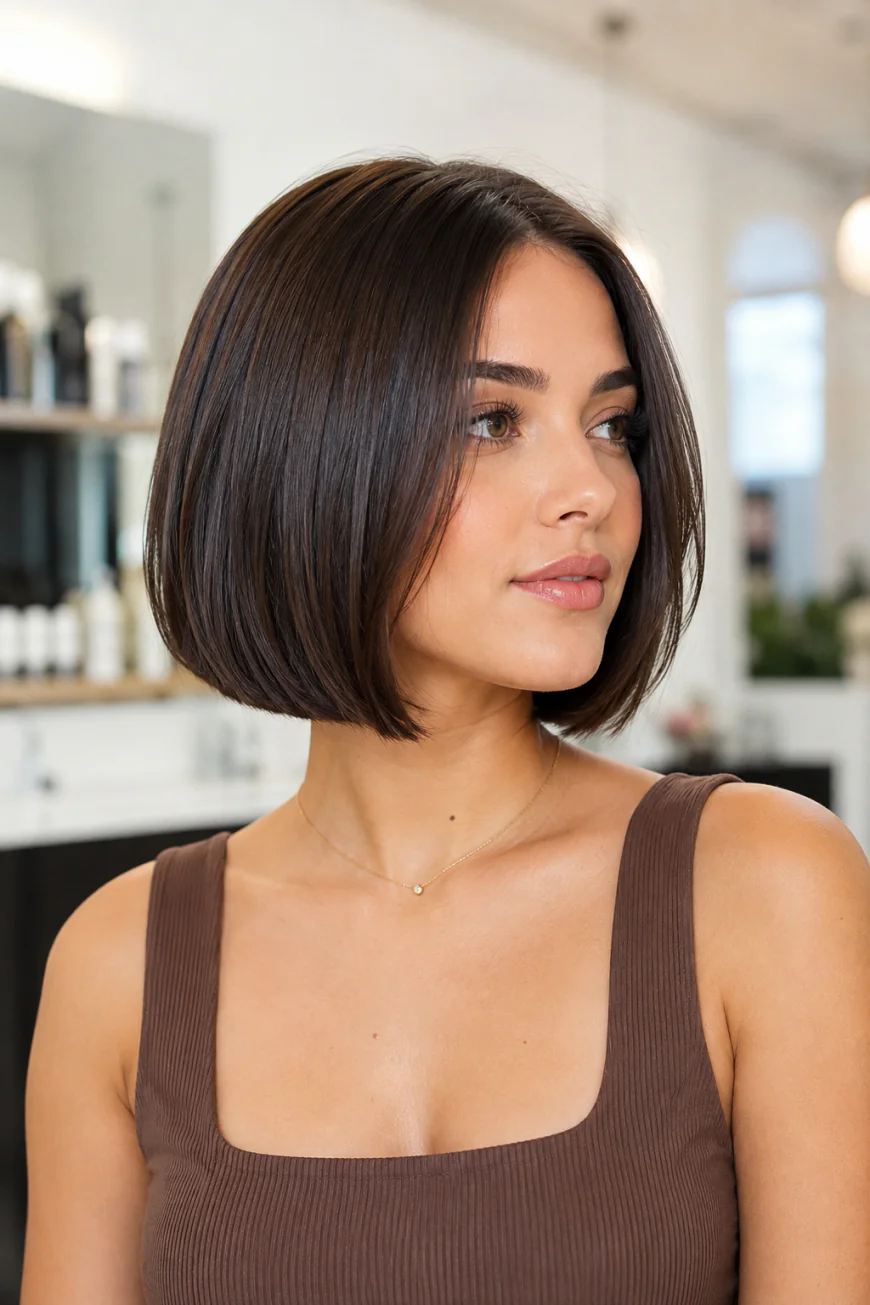
A classic bob sits at or just below the jawline with a clean, even perimeter, and it works for more hair types than almost any other short cut. It flatters heart and oval faces particularly well because the line lands right at the jaw, drawing attention to the lower face without adding width.
Why it works: The straight, structured line gives the illusion of thickness even on finer hair, since there's no layering to disperse volume.
Styling difficulty: Easy on straight hair, moderate on wavy or curly hair since you'll need a diffuser or round brush to keep the shape from going wide.
Maintenance: Trim every 6–8 weeks. The style loses its clean line quickly as it grows, more so than most short cuts.
Think twice if: You have very thick or coarse hair — a blunt bob without any internal layers can look heavy and triangular rather than sleek.
2. Pixie Cut
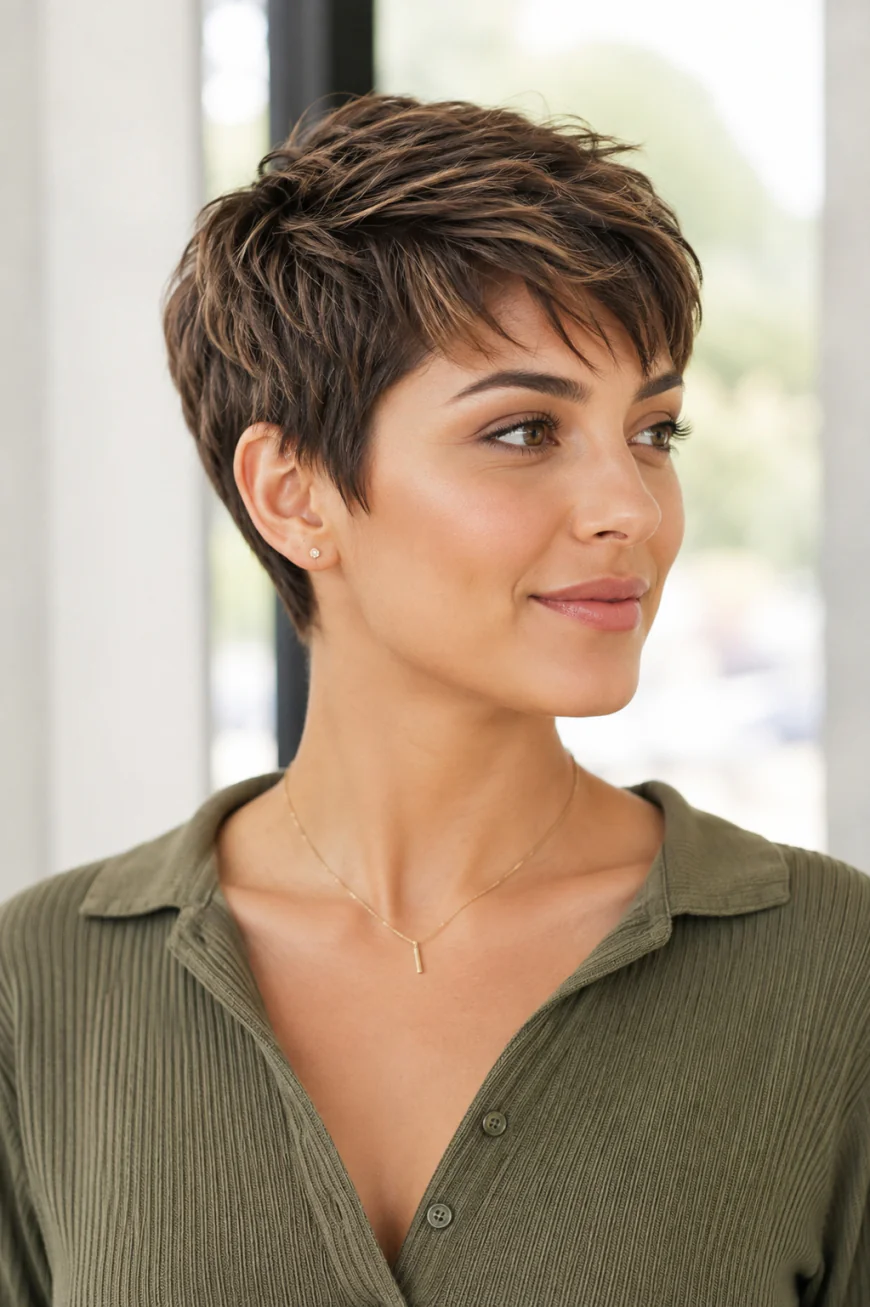
A pixie is a short, cropped style with length concentrated on top and shorter sides and back. It's one of the lowest-maintenance short cuts once it's grown into shape, and it works surprisingly well on a range of face shapes when the length on top is tailored correctly.
Why it works: Longer layers on top give you room to style the cut differently for different moods — sleek, tousled, or side-swept — while the short sides keep it wearable in humidity or on the gym schedule.
Styling difficulty: Easy day-to-day once cut correctly, but the initial cut requires a stylist experienced in precision pixies — this is not a beginner haircut to attempt on a whim.
Maintenance: Trim every 3–5 weeks to maintain shape. This is the highest-maintenance cut on this list in terms of salon visits, even though daily styling is minimal.
Think twice if: You're not ready for frequent trims, or if you have a very round face and want to avoid extra width — ask your stylist for more height at the crown rather than fullness at the sides.
3. Textured Lob
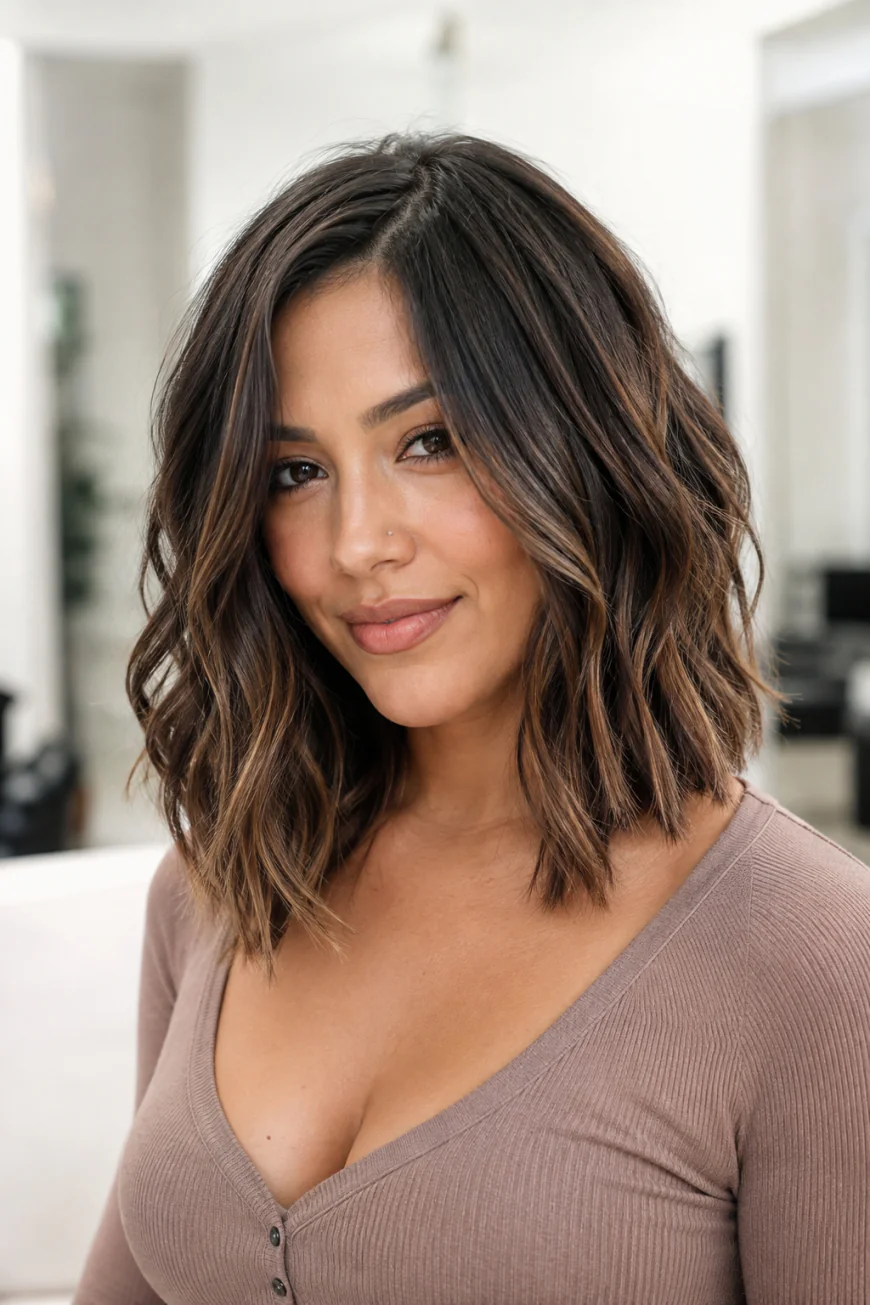
A lob (long bob) falls between the chin and shoulders, and the textured version adds soft layers and piece-y ends rather than a blunt line. It's often the easiest entry point for women nervous about going short for the first time.
Why it works: The length gives you more styling versatility — you can still get it into a small ponytail on bad-hair days — while the texture keeps it from looking stiff.
Styling difficulty: Easy. Air-drying with a texturizing spray gives a lived-in look; a round brush blowout gives a smoother finish.
Maintenance: Trim every 8–10 weeks — the most forgiving maintenance schedule of any cut here, since the length has room to grow before it looks unstructured.
Think twice if: You want a dramatic, above-the-shoulders transformation. A lob is a subtle change, not a bold one.
4. Shag
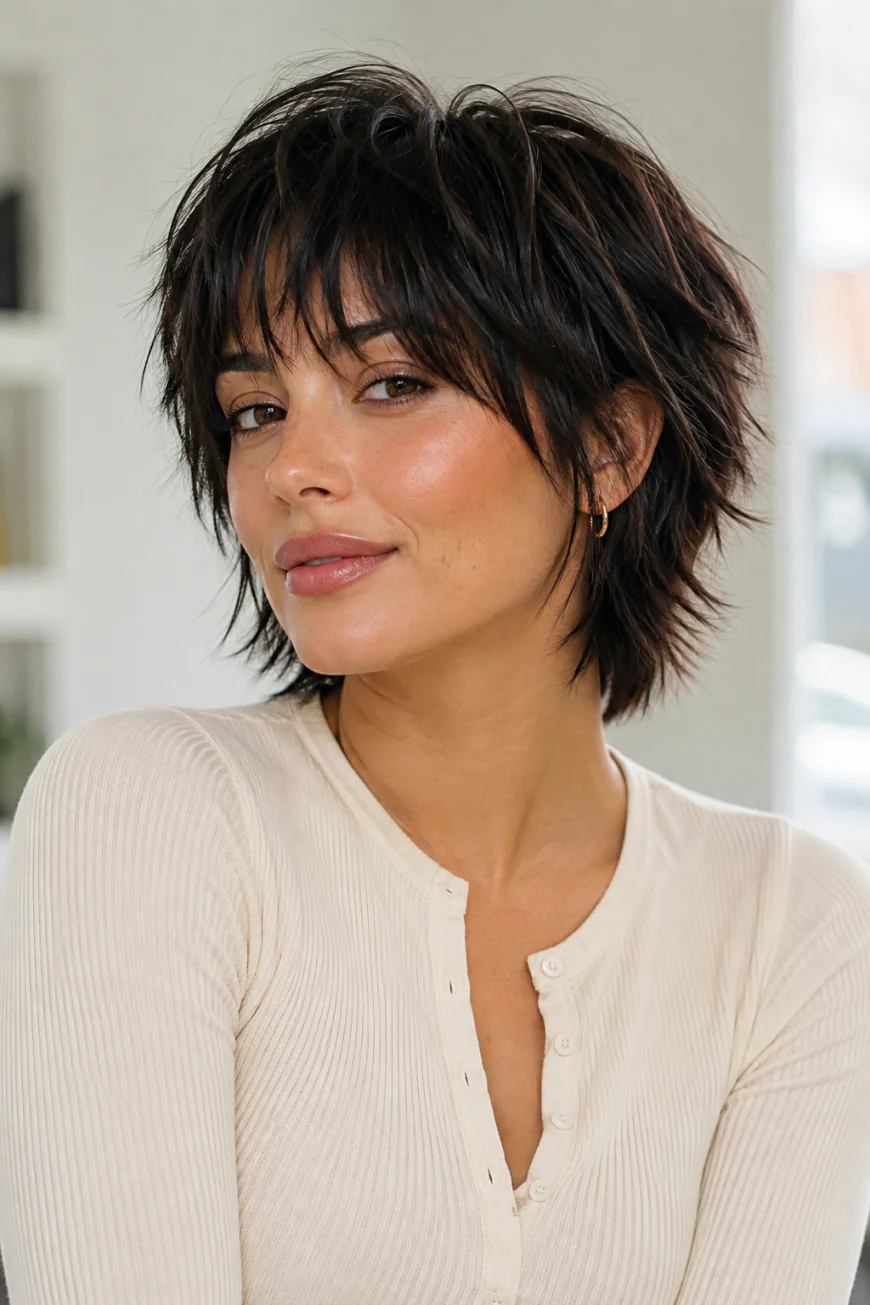
The shag is built on heavy layering throughout, with shorter pieces around the crown and face and longer pieces toward the ends, creating deliberate texture and movement rather than a smooth silhouette.
Why it works: The layering removes bulk, which makes it one of the best short options for thick or coarse hair. It also adds the appearance of volume for fine hair, since the layers create movement instead of lying flat.
Styling difficulty: Moderate. It looks best a little undone, so you don't need salon-precision styling — a texturizing spray and some finger-styling usually does it.
Maintenance: Trim every 8–12 weeks. Because the cut is meant to look shaggy rather than sharp, it grows out more gracefully than a blunt style.
Think twice if: You have very fine, thin hair without much natural texture — heavy layering can occasionally make thin hair look sparser rather than fuller if it's cut too aggressively.
5. Curly Bob
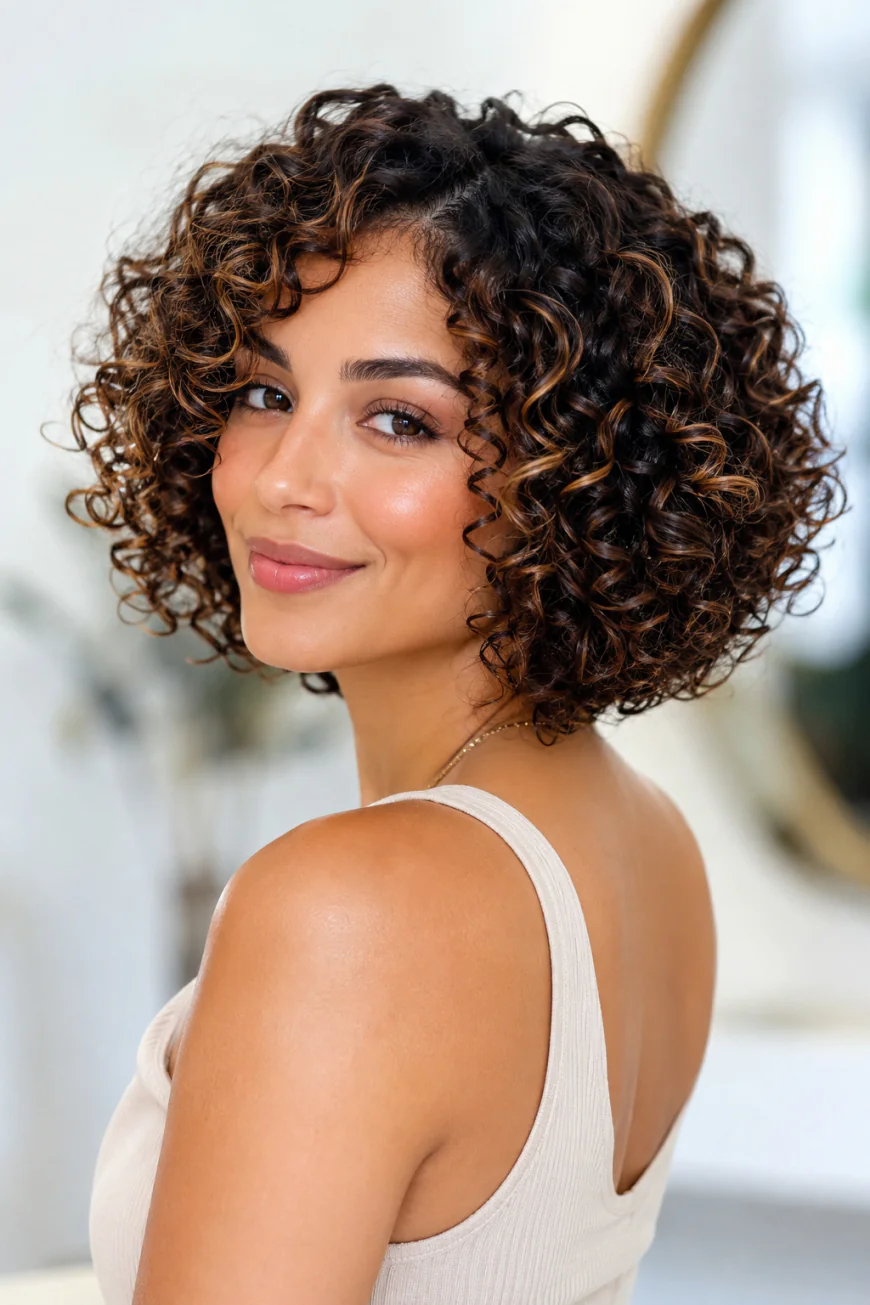
A curly bob is cut specifically to work with natural curl pattern, meaning the length is determined by where curls land, not by a straight-hair measurement — a curly bob typically requires more length taken off before shrinkage than a straight-hair bob of the same intended finished length.
Why it works: Cutting with the curl pattern (rather than cutting straight hair and hoping the curls form to a bob shape) prevents the bottom-heavy triangle shape that's the most common curly-cut complaint.
Styling difficulty: Moderate — you'll want a routine (leave-in conditioner, diffuser or plopping method) rather than pure wash-and-go, though it's still far less daily effort than straightening curls.
Maintenance: Trim every 8–10 weeks, ideally with a stylist who specializes in curly cutting techniques, not just a generalist.
Think twice if: Your stylist doesn't have curly-cutting experience — this is one style where the wrong stylist can genuinely ruin the shape, regardless of how good the haircut description sounds.
6. Undercut Pixie
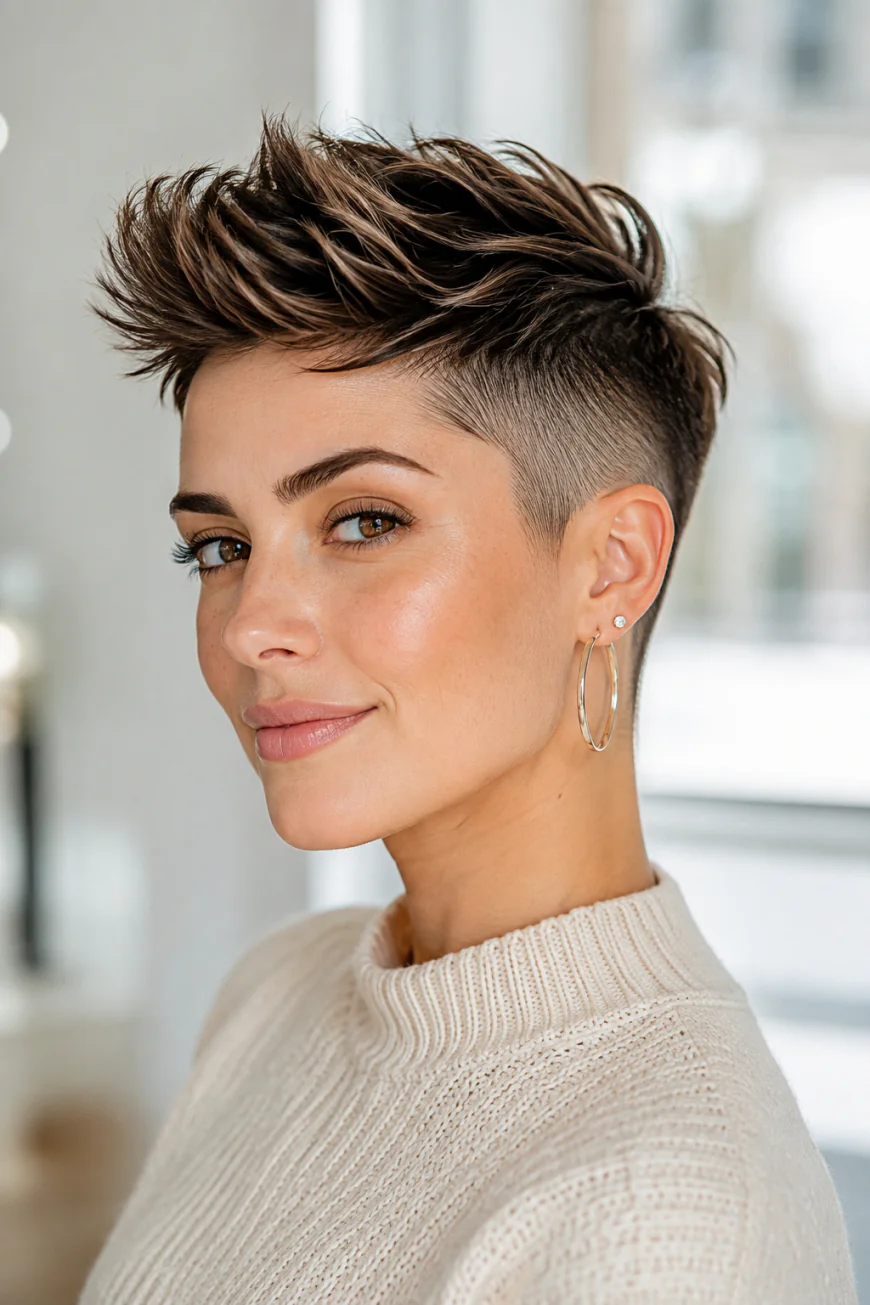
This is a bolder variation on the classic pixie, with the sides and back cut very close or shaved, and noticeably longer length left on top for contrast and styling flexibility.
Why it works: The dramatic length contrast lets you style it multiple ways — slicked back, textured up, or side-swept — while the undercut portion stays virtually maintenance-free between visits.
Styling difficulty: Easy for daily styling, though it commits you to a distinctly edgier look than a standard pixie.
Maintenance: The undercut portion needs a touch-up every 3–4 weeks to stay clean; the top length is more forgiving and can stretch to 8+ weeks between shape trims.
Think twice if: Your workplace has a conservative dress code, or you're not ready for a style that reads as a clear statement rather than a subtle change.
Short Hair Comparison at a Glance
| Style | Best Face Shape | Best Hair Type | Maintenance | Styling Time |
|---|---|---|---|---|
| Classic Bob | Heart, Oval | Straight, Wavy | High (6–8 wks) | Low |
| Pixie Cut | Oval, Square | Straight, Wavy | Highest (3–5 wks) | Very Low |
| Textured Lob | Most shapes | All types | Low (8–10 wks) | Low |
| Shag | Round, Square | Thick, Coarse | Low (8–12 wks) | Low–Moderate |
| Curly Bob | Oval, Long | Curly, Coily | Moderate (8–10 wks) | Moderate |
| Undercut Pixie | Oval, Diamond | Straight, Wavy | High (3–4 wks sides) | Low |
How to Talk to Your Stylist Before Going Short
A short cut leaves almost no room to hide a miscommunication, so the consultation matters more here than for any longer style. Bring one or two reference photos, but be specific about what you actually want copied — length, layer placement, or texture — since a stylist can't read your mind from a photo alone. Ask directly how the cut will grow out over the next two to three months, since that answer tells you how forgiving the style will be between appointments. It's also worth asking whether they typically cut your hair type dry or wet, particularly for curly or highly textured hair, since this changes the final shape significantly.
Growing Out a Short Cut Without the Awkward Phase
The fear of an awkward growing-out phase stops a lot of women from cutting their hair short in the first place, but it's manageable with the right approach. The hardest stretch is usually between three and six months, when the cut has lost its shape but isn't long enough to style in typical longer-hair ways. Regular trims every 6–8 weeks during this period — even though it feels counterintuitive when you're trying to grow length — actually speed things along, because they remove split ends and keep the shape from looking shapeless. Face-framing layers and curtain bangs are especially useful in this phase since they give you something to style even while the rest of the length catches up. A headband, clips, or a low bun are practical bridge tools rather than something to be embarrassed about — every stylist has seen this exact stretch a hundred times.
Frequently Asked Questions
Will short hair make my face look rounder or wider?
It depends on the cut, not on short hair generally. Styles with width at the sides (like a rounded bob without layers) can add visual width to a round face, while cuts with height at the crown and length below the jaw tend to elongate it instead.
Can I still wear a ponytail with short hair?
It depends on the length. A lob or longer bob can usually go into a small, low ponytail, but a pixie cut typically can't be pulled back in any traditional sense — some women use small clips or a headband as an alternative.
Does short hair work in humid climates?
Yes, often better than long hair, since there's less length for humidity to weigh down or frizz out. Textured styles like a shag or curly bob actually tend to handle humidity better than sleek, blunt cuts that rely on straight lines.
How often do I need trims to maintain the shape?
This varies by cut, from every 3–4 weeks for a pixie or undercut to every 8–12 weeks for a shag or textured lob. Precision cuts with clean lines need the most frequent upkeep.
Is short hair harder to maintain than long hair?
Daily styling is usually easier and faster with short hair, but salon visits are more frequent since the cut loses its shape faster as it grows. It trades daily effort for more regular trims.
Final Thoughts
The right short hairstyle isn't the one that's trending — it's the one that matches your face shape, works with your natural hair texture, and fits into the amount of time you actually want to spend styling it each day. Bring your stylist real information about your hair's behavior, not just a photo, and you'll walk out with a cut that looks intentional rather than accidental. For more on narrowing this down further, check out our guide to hairstyles for fine hair if density is your main concern.