How to Compare Different Fire Safety Sealing Options
Firestop material is a special product used in buildings to stop the spread of fire and smoke through walls, floors, and ceilings. It is applied around pipes, cables, ducts, and joints to seal openings and gaps. When exposed to high heat, it helps block flames and reduces the movement of toxic smoke from one area to another. Firestop material is an important part of fire safety systems in homes, offices, hospitals, and commercial buildings, helping protect people, property, and structural strength during a fire.
 ayushdicholkar
Introduction
Fire safety is one of the most important parts of any building. Whether it is a home, office, hospital, school, mall, or factory, safety should always come first. One small fire can spread quickly and cause serious damage. It can destroy property, stop business work, and most importantly, put lives at risk.
This is where firestop material plays a very important role. Firestop materials help stop fire and smoke from spreading through walls, floors, and ceilings. They give people more time to escape and help firefighters control the situation.
In this detailed guide, you will learn what firestop material is, why it is important, different types of firestop materials, where they are used, how they work, and how to choose the right one for your building.
Note :- Firestop material is a special product used in buildings to stop the spread of fire and smoke through walls, floors, and ceilings. It is applied around pipes, cables, ducts, and joints to seal openings and gaps. When exposed to high heat, it helps block flames and reduces the movement of toxic smoke from one area to another. Firestop material is an important part of fire safety systems in homes, offices, hospitals, and commercial buildings, helping protect people, property, and structural strength during a fire.
What Is Firestop Material?

Firestop material is a special product used to seal openings and joints in fire-rated walls and floors. These openings are usually made for cables, pipes, ducts, and other services that pass through walls and floors.
When these openings are not sealed properly, fire and smoke can move easily from one room to another. Firestop materials are used to close these gaps and stop the spread of fire.
In simple words, firestop material acts like a barrier. It blocks fire, heat, and smoke from passing through small openings in a building.
Why Firestop Material Is Important in Buildings
Fire can spread very fast. Many buildings are divided into different sections called fire compartments. These compartments are made to control fire and stop it from spreading to other areas.
But when electricians, plumbers, or technicians install cables and pipes, they create holes in these walls and floors. If these holes are left open, they break the fire barrier.
Firestop material helps to:
-
Stop fire from spreading to other areas
-
Reduce smoke movement
-
Protect people inside the building
-
Reduce property damage
-
Follow building safety rules and fire codes
Without proper firestopping, even a small fire can become a big disaster.
How Firestop Material Works During a Fire
To understand how firestop material works, imagine a wall designed to resist fire for two hours. This means the wall can stop fire for up to two hours.
If there is a hole in that wall for a cable or pipe, fire can pass through in just a few minutes. Firestop material seals that hole and restores the wall’s fire resistance.
Some firestop materials expand when exposed to heat. This expansion helps fill gaps tightly and blocks fire and smoke.
This process helps:
-
Maintain the fire rating of walls and floors
-
Slow down the fire spread
-
Give people more time to exit safely
-
Allow emergency teams to respond properly
Different Types of Firestop Material
There are many types of firestop materials available in the market. Each type is designed for specific uses. Let us look at the most common ones.
1. Firestop Sealants
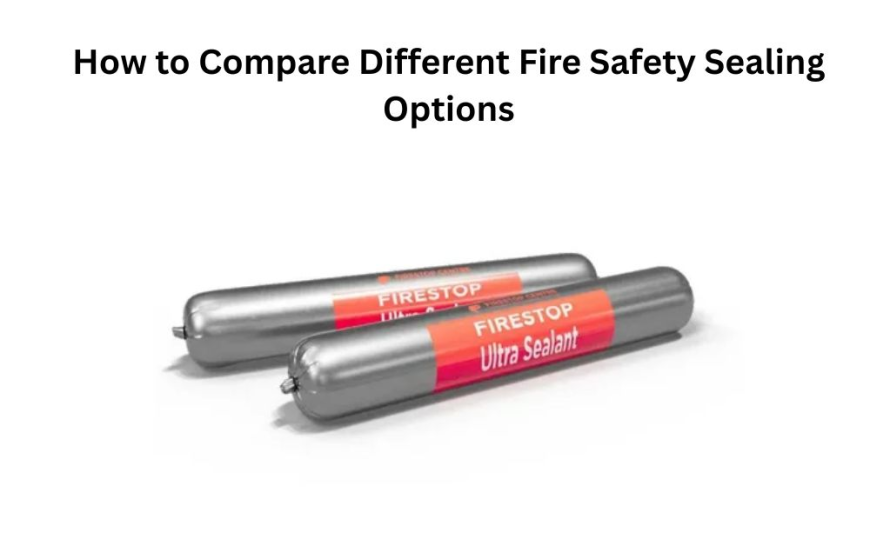
Firestop sealants are flexible materials used to seal small gaps and joints. They are usually applied with a caulking gun.
These sealants are good for:
-
Cable openings
-
Small pipe gaps
-
Joints between walls and floors
Some sealants expand when heated, which helps block fire more effectively.
2. Firestop Mortar
Firestop mortar is a thick, cement-like material. It is used for larger openings in walls and floors.
It is strong and durable. Firestop mortar is often used in areas with many cables and pipes grouped together.
It provides strong protection and can handle high temperatures.
3. Firestop Collars
Firestop collars are used mainly around plastic pipes. Plastic pipes melt quickly in fire, leaving a large hole behind.
A firestop collar contains special material that expands when heated. When the pipe melts, the collar closes the opening and blocks fire and smoke.
4. Firestop Wraps and Strips
These are flexible materials wrapped around pipes or placed inside walls. They expand in high heat and seal openings.
They are commonly used with plastic pipes and insulated pipes.
5. Firestop Pillows and Blocks
Firestop pillows and blocks are soft, flexible products used in large cable openings.
They are easy to install and remove. This makes them useful in buildings where cables are often added or changed, such as offices and data centers.
6. Intumescent Firestop Material
Intumescent materials expand when exposed to heat. This expansion helps seal gaps tightly.
They are very effective in areas with plastic pipes or materials that melt in fire.
Where Firestop Materials Are Used
Firestop materials are used in many areas of a building. Some common locations include:
Walls and Floors
When pipes, cables, or ducts pass through fire-rated walls and floors, firestop materials seal the openings.
Electrical Rooms
Electrical rooms have many cables passing through walls. Firestop materials help control fire risks in these areas.
Hospitals and Schools
These buildings require strong fire safety systems because many people are present. Firestop materials are used to protect patients, students, and staff.
Commercial Buildings
Offices, malls, and hotels use firestop systems to follow safety standards and protect property.
Industrial Facilities
Factories and plants often have large openings for machinery and piping. Firestop materials help manage fire risks in these high-risk areas.
Fire Ratings and Standards
Firestop materials are tested and rated based on how long they can resist fire. Common fire ratings include:
-
1 hour
-
2 hours
-
3 hours
-
4 hours
These ratings show how long the material can prevent fire from passing through.
Many countries follow strict fire safety standards. Always choose firestop materials that meet approved testing standards and building codes.
Benefits of Using Quality Firestop Material
Using the right firestop material offers many advantages:
1. Life Safety
The main benefit is saving lives. Slowing down fire spread gives people more time to escape.
2. Property Protection
Fire damage can cost a lot of money. Firestop materials help reduce damage to buildings and equipment.
3. Legal Compliance
Building codes require proper firestopping. Using approved materials helps avoid legal problems and penalties.
4. Peace of Mind
Building owners and occupants feel safer knowing proper fire protection systems are in place.
Common Mistakes in Firestopping
Many buildings fail fire inspections because of simple mistakes. Some common errors include:
-
Leaving small gaps unsealed
-
Using regular sealant instead of fire-rated material
-
Incorrect installation
-
Not following manufacturer instructions
-
Mixing different products that are not tested together
Even a small mistake can reduce the effectiveness of firestop systems.
How to Choose the Right Firestop Material
Choosing the correct firestop material depends on several factors.
Type of Opening
Is it a cable opening, metal pipe, plastic pipe, or duct? Different openings need different solutions.
Size of Gap
Small gaps may need sealant. Large openings may require mortar or blocks.
Fire Rating Requirement
Check the required fire rating for your wall or floor system.
Building Type
Hospitals, data centers, and factories may need stronger fire protection systems.
Future Changes
If cables may be added later, removable firestop pillows or blocks are a better choice.
Installation of Firestop Materials
Proper installation is very important. Even the best material will not work if installed incorrectly.
Installation should be done by trained professionals who understand fire safety systems.
Steps usually include:
-
Cleaning the opening
-
Checking the size and type of penetration
-
Choosing the correct firestop product
-
Installing according to manufacturer instructions
-
Inspecting and documenting the work
Regular inspections should also be done to make sure firestopping remains in good condition.
Inspection and Maintenance
Firestop systems should be checked regularly. Over time, cables may be added, removed, or changed. These changes can create new gaps.
Building owners should:
-
Conduct regular inspections
-
Repair damaged firestop areas
-
Keep proper documentation
-
Train maintenance teams
Proper maintenance ensures long-term safety.
Firestop Material vs Fireproofing: Understanding the Difference
Many people confuse firestop material with fireproofing, but they are not the same.
Fireproofing is used to protect structural elements like steel beams from fire damage.
Firestop material is used to seal openings in walls and floors to prevent fire spread.
Both are important, but they serve different purposes in fire protection.
The Role of Firestop Material in Modern Construction
Modern buildings have many electrical and mechanical systems. This means more pipes, cables, and ducts passing through walls and floors.
Without firestop materials, these systems can weaken fire safety.
Today, firestop systems are planned during the design stage itself. Engineers and contractors include firestopping as part of the building safety plan.
This approach improves overall protection and reduces future repair costs.
Why Investing in Firestop Material Is a Smart Decision
Some building owners try to reduce costs by ignoring proper firestopping. This is a risky decision.
The cost of firestop material is very small compared to the damage caused by fire.
Investing in proper firestop systems:
-
Protects lives
-
Protects business operations
-
Reduces insurance risks
-
Increases property value
-
Builds trust with tenants and customers
Fire safety should never be compromised.
Final Thoughts
Fire can spread in minutes, but the right protection can slow it down. Firestop material is a simple yet powerful solution that helps protect buildings and people.
It seals openings, maintains fire ratings, and prevents fire and smoke from spreading quickly. From small homes to large industrial plants, firestop systems play a key role in safety.
Choosing the correct material, installing it properly, and maintaining it regularly can make a big difference during an emergency.
For more insightful articles related to this topic, feel free to visit postr.blog