Best Living Room Rugs for Comfort Style and Modern Homes
Discover how to choose the best living room rugs for comfort, durability, and style. Learn about sizes, materials, textures, and design tips to transform your space beautifully.
 shivam
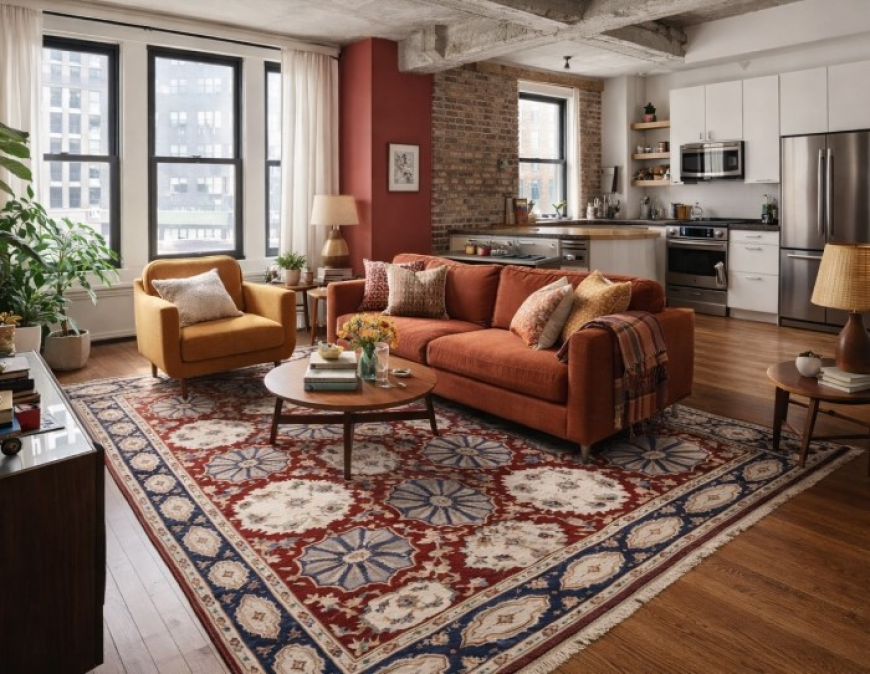
A living room often becomes the heart of a home, a place where conversations unfold, guests gather, and quiet evenings take shape. Furniture plays a vital role, yet the element that quietly ties everything together is the rug beneath your feet. Texture, color, and scale can completely transform the mood of a space, shifting it from cold and disconnected to warm and welcoming. Choosing thoughtfully means balancing aesthetics with practicality, while also considering how daily life unfolds across the floor.
Rugs do more than decorate. They soften acoustics, define zones in open layouts, and protect flooring from wear. A carefully selected piece can anchor seating arrangements, frame a coffee table, and provide a subtle layer of personality without overwhelming the room. The right choice feels intentional rather than accidental.
Understanding Size and Placement
Proportion makes all the difference. A rug that is too small can make furniture appear as though it is floating awkwardly, while one that is too large may swallow the room’s character. Ideally, front legs of sofas and chairs should rest comfortably on the rug to create a cohesive seating area. In larger rooms, all furniture legs can sit fully on the rug, offering a grounded and unified feel.
Layering has also become increasingly popular. Placing a smaller patterned rug over a neutral base adds depth and visual interest. This technique works especially well in minimalist interiors where subtle variation enhances the overall design without cluttering the space.
Materials That Suit Your Lifestyle
Material choice influences durability, comfort, and maintenance. Wool remains a favorite due to its resilience and softness underfoot. It naturally resists stains and retains its shape over time. Cotton rugs offer a lighter and more casual look, often easier to clean and move. Synthetic fibers such as polypropylene provide affordability and stain resistance, making them suitable for households with children or pets.
Natural fibers like jute and sisal bring earthy texture and organic charm. They complement coastal or rustic interiors beautifully, though they may feel rougher under bare feet. Blended materials combine the strengths of multiple fibers, offering both softness and durability.
Color and Pattern for Visual Impact
Color selection shapes the emotional tone of the room. Neutral shades create calm and versatility, allowing furniture and artwork to stand out. Bold hues, on the other hand, can energize the space and serve as a statement piece. Pattern introduces movement and can disguise everyday wear, especially in high traffic areas.
Many homeowners researching the best living room rugs focus on timeless patterns such as geometric motifs, subtle florals, or vintage-inspired medallions. These designs adapt well to changing décor trends and can seamlessly integrate into both contemporary and traditional settings. Choosing a pattern that echoes accent pillows or artwork helps maintain cohesion.
When considering design influences, inspiration often comes from historic styles like Persian rug history and craftsmanship, which continues to shape modern interpretations seen in today’s interiors. Referencing enduring artistry can guide selections that feel rich and layered rather than fleeting.
Texture and Comfort Underfoot
Beyond appearance, texture determines how a rug feels during everyday use. High-pile rugs create plush comfort, perfect for lounging spaces where softness enhances relaxation. Low-pile or flatweave options offer easier maintenance and are ideal beneath coffee tables or in high traffic zones.
Shag rugs have made a subtle comeback, bringing cozy character to modern homes. Meanwhile, hand-tufted and hand-knotted varieties provide artisanal quality and distinct texture variations that machine-made rugs may lack. Touching samples whenever possible ensures satisfaction with both appearance and tactile comfort.
Maintenance and Longevity
Even the most beautiful rug requires care to maintain its appeal. Regular vacuuming prevents dirt from embedding deep into fibers. Rotating the rug every few months ensures even wear, particularly in areas exposed to sunlight. Prompt attention to spills protects against permanent staining.
Professional cleaning every year or two can extend lifespan significantly, especially for wool or delicate natural fiber rugs. Using a rug pad underneath not only prevents slipping but also adds cushioning and reduces friction against the floor, preserving both surfaces.
Creating a Space That Feels Complete
Selecting a rug involves more than checking dimensions or matching colors. It requires envisioning how the living room will feel during everyday moments, from lively gatherings to peaceful afternoons. A thoughtfully chosen rug enhances comfort, defines boundaries, and introduces warmth that hard flooring alone cannot achieve.
Design trends will continue to evolve, yet the core principle remains steady: balance beauty with functionality. A rug should support daily living while elevating the overall aesthetic. When proportion, material, and design come together harmoniously, the living room transforms into a space that feels curated yet inviting.
Taking time to evaluate lifestyle needs, preferred textures, and long-term durability ensures satisfaction long after purchase. With patience and careful consideration, the right rug becomes more than a decorative accessory. It becomes a foundation for memories, conversations, and everyday comfort that quietly supports the rhythm of home life.