7 Surprising Causes of Cavities Without Sugar You Didn't Know About!
I spoke with one of the best dentists in Nagpur, and she confirmed it: most patients think cutting sugar is enough. It's not. So let's break it down.
 Digitech
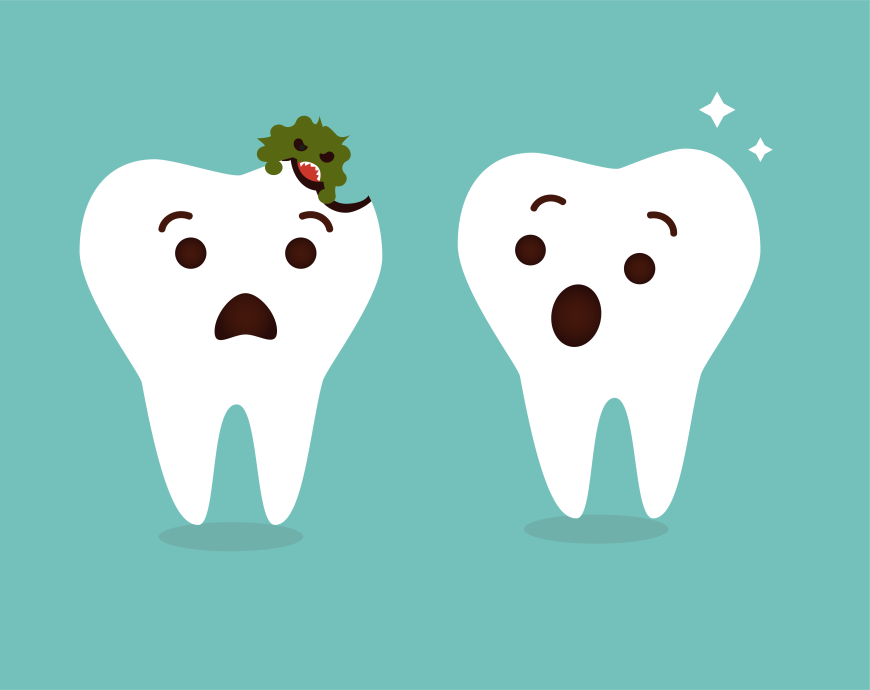
Let's be real—when you hear "cavities," your mind probably jumps straight to sugar. Candy, soda, sweets. Obvious stuff, right?
But here's the twist.
You can get cavities even if you rarely eat sugar.
Yep. It sounds unfair, but it's true. There are sneaky habits, overlooked routines, and unusual daily activities that can harm your teeth. And they don't involve sugar at all.
I spoke with one of the best dentists in Nagpur, and she confirmed it: most patients think cutting sugar is enough. It's not. So let's break it down.
Here are 7 surprising causes of cavities without sugar you probably didn't know about.
7 Surprising Causes of Cavities Without Sugar You Didn't Know About
1. Mouth Breathing While Sleeping
This one shocked me.
If you breathe through your mouth when you sleep (or even during the day), it dries out your saliva. And saliva isn't just there to keep your mouth wet—it protects your teeth.
Dry mouth? That's bad news.
Without enough saliva:
1. Food particles stick around longer
2. Acids don't get neutralized
3. Bacteria grow faster
Over time, this leads to cavities. No sugar is needed.
What you can do:
1. Try nasal strips if your nose gets blocked often
2. Get checked for sleep apnea
3. Stay hydrated throughout the day
2. Drinking Sparkling Water Often
Wait, isn't sparkling water better than soda?
Well, yes... and no.
It doesn't have sugar, but it's still acidic. And acid weakens your enamel.
If you sip on it all day, you're soaking your teeth in acid. Over time, the enamel wears down. That's when bacteria sneak in and do their thing.
Especially if you're brushing right after—bad move. Acid softens enamel, and brushing too soon makes it worse.
Simple fix:
1. Rinse your mouth with water after
2. Wait 30 minutes before brushing
3. Don't sip it throughout the day—drink it, enjoy it, be done
3. Snacking on Dried Fruits
Raisins? Dates? Those sticky little snacks?
They seem healthy. No sugar added. But they're sneaky.
Dried fruits stick to your teeth like glue. Even worse, the natural sugars in them feed bacteria just like candy does.
Dentists in Nagpur (and honestly, everywhere) agree—dried fruits are cavity traps in disguise.
Try this instead:
1. Eat them with meals, not alone
2. Drink water right after
3. Brush or rinse after eating them
4. Brushing Too Hard
I used to think harder brushing meant cleaner teeth. Turns out, it's a bad idea.
When you brush too hard or use a hard-bristled toothbrush, you can wear down your enamel. Once enamel is gone, it doesn't come back.
Exposed enamel means more risk of cavities, even without sugar in the picture.
Also, aggressive brushing can push back your gums, exposing sensitive areas.
Check yourself:
1. Use a soft-bristled brush
2. Let the brush do the work—don't press hard
3. Brush in gentle circles, not back-and-forth scrubbing
5. Not Flossing Properly
You brush twice a day, maybe even three. That's great.
But if you're not flossing, you're only cleaning about 60% of your tooth surface. The rest? It's hiding between your teeth, where your brush can't reach.
Food particles sit there. Bacteria throw a party. Cavities form in those tight spaces.
And here's the kicker—these cavities don't always show symptoms until it's too late.
Quick tip:
1. Use floss picks if regular floss feels annoying
2. Water flossers work great, especially if you have braces
3. Make it a habit, not a chore
6. Frequent Snacking (Even on Healthy Stuff)
Here's something the best dentist in Nagpur pointed out.
Every time you eat, your mouth becomes slightly acidic. That's normal. But if you snack all day long—even on healthy foods like fruits, yogurt, or crackers—your teeth stay in that acidic state.
Your saliva never gets a break to balance things out.
Constant acid = more enamel wear = more chances for bacteria to move in
Try this instead:
1. Stick to 3 meals and 1–2 snack times
2. Avoid grazing all day
3. Drink water between snacks to rinse your mouth
7. Using the Wrong Mouthwash
Seems weird, right? Mouthwash is supposed to help.
But not all mouthwashes are created equal.
Some have a lot of alcohol, which dries your mouth. Others don't have fluoride, so they don't protect your teeth much. And if you use it too often, especially right after brushing, you could be rinsing away the benefits of your toothpaste.
Here's what works:
1. Choose a fluoride mouthwash without alcohol
2. Use it at a different time than brushing (maybe midday)
3. Don't overuse it—once a day is enough for most people
So... What Can You Do About It?
If you thought cutting sugar was enough, don't feel bad. Most of us thought the same.
But now you know better.
To avoid these surprising causes of cavities without sugar, try to:
1. Keep your mouth moist (breathe through your nose, stay hydrated)
2. Be smart about acidic drinks like sparkling water
3. Floss daily—no excuses
4. Snack less often, and rinse with water afterward
5. Choose the right toothbrush, toothpaste, and mouthwash
6. Visit your dentist twice a year (or more if needed)
Even better—ask questions when you're at the dentist. Don't just nod and leave.
The top dentist in Nagpur told me something that stuck:
"Teeth don't usually hurt until the damage is already done."
So stay curious. Stay ahead.
Cavities aren't always caused by sugar. That's just part of the story.
Dry mouth, mouthwash choices, brushing habits, and snacking patterns? They all play a role too. Small stuff adds up.
If anything here made you go, "Wait, I do that," then maybe it's time to tweak a few things.
No need to go full dental nerd. Just… stay aware.
Your teeth will thank you for it.
And hey, if you're in Nagpur and want someone who explains things like this? Look up the best-rated dentist in town. You know, the kind who doesn't rush you out of the chair.
Anyway, what surprised you most on this list?
Let me know. I'm still thinking about the sparkling water one.