10 Essential Knife Cutting Techniques Every Cook Should Master
Mastering basic knife cuts can instantly upgrade your cooking skills. From chopping to chiffonade, these essential techniques improve texture, flavour absorption, and presentation—helping every cook create dishes that look refined and cook evenly.
 christyevangeline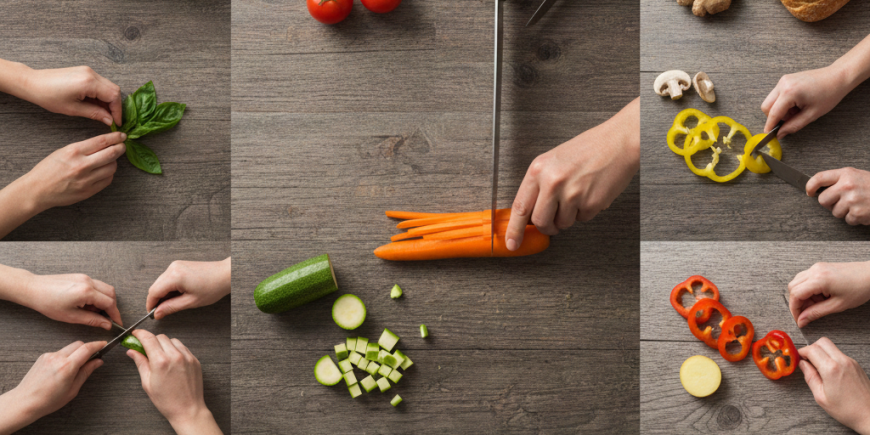
Knife skills form the backbone of confident cooking. Before experimenting with complex recipes or advanced plating, every cook needs a solid understanding of basic cutting techniques. Proper knife cuts improve texture, enhance flavour absorption, and ensure even cooking. They also elevate the visual appeal of dishes, making food look as good as it tastes.
Whether cooking at home or working in a professional kitchen, mastering these fundamental cuts builds speed, precision, and consistency. Below are ten essential knife-cutting techniques focused primarily on fruits and vegetables that every cook should know.
Chopping
Chopping is the most basic knife technique. It involves cutting ingredients into rough, evenly sized pieces, usually between ½ and ¾ inches. This cut works well for onions, tomatoes, potatoes, and carrots. The key objective is a uniform size so the ingredients cook at the same rate.
Dicing
Dicing creates clean, uniform cubes and is commonly used when precision matters. Ingredients like onions, tomatoes, and garlic are diced for soups, salads, and salsas. Medium dice typically range between ¼ and ½ cm. This technique improves both texture and presentation while ensuring even cooking.
Mincing
Mincing reduces ingredients into extremely fine pieces, usually smaller than ⅛ inch. This technique is ideal for aromatics such as garlic, ginger, and herbs. Finely minced ingredients release stronger flavours and blend seamlessly into sauces and marinades.
Bias Cut
A bias cut involves slicing ingredients diagonally rather than straight across. This technique is commonly used for carrots, zucchini, and asparagus. When using a fruit and vegetable cutter, bias cuts create longer, oval-shaped pieces that increase surface area and help ingredients cook faster and more evenly.
Brunoise
Brunoise is a fine, precision cut that produces tiny cubes around ⅛ inch in size. This technique is often used for garnishes or to add subtle texture to soups and sauces without overpowering flavours. It requires patience and excellent knife control.
Batonnet
The batonnet cut produces long, rectangular sticks approximately ¼ inch thick and 2 to 3 inches long. It is often the first step before dicing. Vegetables like potatoes and carrots are commonly cut into batonnet for fries or stir-fry preparations.
Chiffonade
Chiffonade is used mainly for leafy greens and herbs. Leaves are stacked, rolled tightly, and sliced into thin ribbons. This technique works beautifully for basil, spinach, and lettuce, making it ideal for garnishing or adding light texture to dishes.
Lyonnaise Cut
The lyonnaise cut is used primarily for onions. After peeling and halving, the onion is sliced into thin half-moons, usually about ¼ inch thick. This cut is perfect for caramelising onions or incorporating them into sautés and salads.
Slicing
Slicing is a straightforward technique that produces even, flat pieces between ⅛ and ¼ inch thick. Cucumbers, tomatoes, and bell peppers are commonly sliced for salads and sandwiches. A fruit and vegetable cutter can help achieve consistent slices, especially when preparing large quantities.
Rondelle
Rondelle refers to round slices made from cylindrical vegetables such as carrots, cucumbers, and zucchini. Thickness can vary depending on the recipe, but most rondelles range between ⅛ and ¼ inch. This cut is widely used in salads, roasting, and garnishing.
Final Thoughts
Understanding knife cutting techniques is essential for improving efficiency, presentation, and overall cooking results. Each cut serves a purpose, influencing how food cooks and how flavours develop. With consistent practice, these techniques become second nature and significantly elevate culinary confidence.