Zero Forex Markup Credit Cards in 2026: How to Spend Abroad Without Paying Extra Charges
 khushirwt
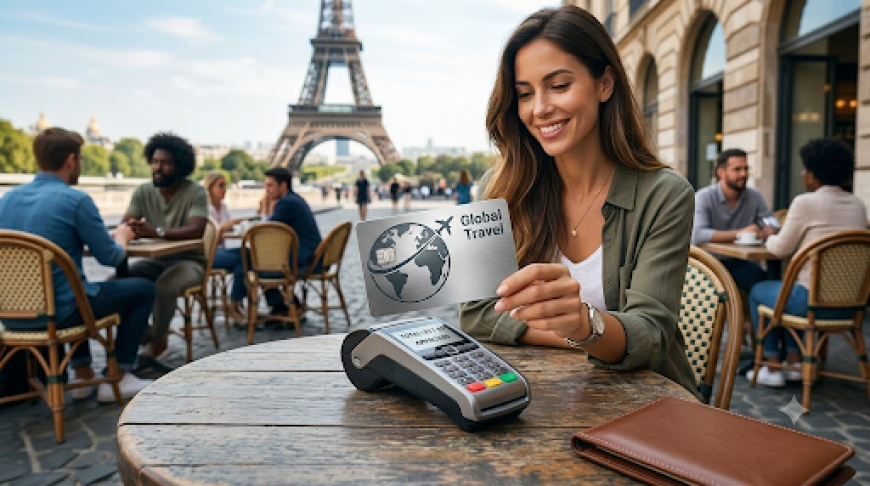
International travel and global online spending have become more common in 2026. From booking hotels to paying for digital subscriptions, many people now rely on Credit Cards for overseas transactions. However, international payments often include additional conversion charges that increase the final bill. This is why travellers increasingly compare cards that help reduce such costs. Choosing a lifetime-free Credit Card with zero forex markup may help frequent travellers manage overseas spending more efficiently and avoid unnecessary charges.
Understanding Forex Markup on International Transactions
Forex markup is an additional charge applied to foreign currency transactions made using a Credit Card. When a customer makes a purchase abroad, the transaction amount is converted into Indian Rupees at the exchange rate set by the payment network. After this conversion, an extra percentage may be added as a forex markup fee.
Many Credit Cards apply forex markup charges on international transactions, with fees varying depending on the card type and issuer. Although these charges may appear small initially, repeated overseas spending can increase travel expenses over time. Such charges may apply to hotel bookings, shopping purchases, dining payments, and online foreign currency transactions.
How Zero Forex Markup Credit Cards Work
Zero forex markup Credit Cards reduce or remove additional conversion charges on international transactions. These cards process overseas payments at the prevailing exchange rate without an additional forex markup fee, helping users reduce international transaction costs.
These cards are commonly used for the following transactions:
● International Shopping: Purchases made at overseas retail stores or international online platforms.
● Travel Bookings: Payments for hotels, flights, and transport services abroad.
● Education Expenses: Tuition fees, accommodation payments, and student-related purchases overseas.
● Digital Subscriptions: Payments for international software tools and online platforms.
Although these cards can reduce conversion-related costs, users should still review the terms carefully, as certain additional charges may still apply.
Charges That May Still Apply While Spending Abroad
Although zero forex markup cards reduce conversion-related costs, they may not eliminate all international transaction expenses. Travellers should understand other charges that can still apply during overseas usage:
● ATM Withdrawal Charges: Using a Credit Card for overseas cash withdrawals may incur cash advance fees and immediate interest charges.
● Dynamic Currency Conversion Costs: Some merchants offer payments in Indian Rupees instead of local currency, which may use less favourable exchange rates.
● Interest and Late Payment Charges: Delayed payments may result in additional Credit Card fees and interest charges.
● Additional Processing Charges: Certain international transactions may still include small processing-related charges depending on the card network or issuer.
Reviewing the card's schedule of charges before travelling can help users avoid unexpected expenses abroad.
Important Features to Compare in 2026
Zero forex markup alone should not be the only factor when selecting a travel Credit Card. Comparing additional features can help users choose a card that matches their spending habits and travel requirements:
● Annual and Renewal Charges: Some cards charge annual membership fees, while others offer free membership. A lifetime-free Credit Card may suit occasional travellers who prefer avoiding recurring annual charges.
● Global Acceptance: International usability often depends on the payment network. Cards linked to widely accepted networks generally provide smoother transactions across countries.
● Security Controls: Many cards now include app-based controls, instant spending alerts, and fraud-monitoring features to help make overseas transactions safer.
● Travel Benefits: Certain cards offer airport lounge access, reward points on international purchases, and travel-related offers.
Comparing these features carefully may help travellers choose a card that offers better overall value beyond forex savings alone.
Practical Ways to Reduce Extra Costs Abroad
Using the right card is only one part of managing overseas expenses. Payment habits can also influence the total cost of international transactions:
● Choose Local Currency During Payment: Paying in the local currency rather than Indian Rupees may help avoid unfavourable exchange rates.
● Avoid Frequent ATM Withdrawals: Multiple cash withdrawals abroad can significantly increase overall transaction costs.
● Track Exchange Rates: Monitoring exchange rate trends before making large purchases may help improve spending decisions.
● Review Statements Regularly: Checking your transaction history during and after travel can help you quickly identify incorrect charges.
Simple spending habits can often make a noticeable difference to overall travel expenses.
Who Can Benefit Most From Zero Forex Markup Cards?
These cards may be useful for different categories of users depending on their international spending patterns:
● Frequent Travellers: People who travel abroad regularly may benefit from lower foreign transaction costs.
● Students Studying Overseas: International education expenses often involve repeated foreign currency transactions.
● Business Professionals: Overseas work trips and international payments can increase conversion-related expenses over time.
● Remote Workers and Digital Users: Many professionals now regularly pay for international software tools and digital services.
The suitability of these cards largely depends on how frequently users make international transactions and manage overseas spending.
Conclusion
International spending continues to grow across travel, education, and digital services in 2026. While standard Credit Cards may increase overseas expenses through forex-related charges, zero forex markup cards can help reduce such additional costs. Users should compare annual charges, security features, global acceptance, and travel-related benefits before selecting a card. Careful comparison and responsible card usage can help travellers manage overseas spending more efficiently while reducing avoidable costs.