2026 Rental Property Investment Guide for Landlords Looking to Increase Profits
Boost your rental income in 2026. Discover proven strategies and expert tips in this ultimate guide designed to maximize landlord profits.
 joedenly
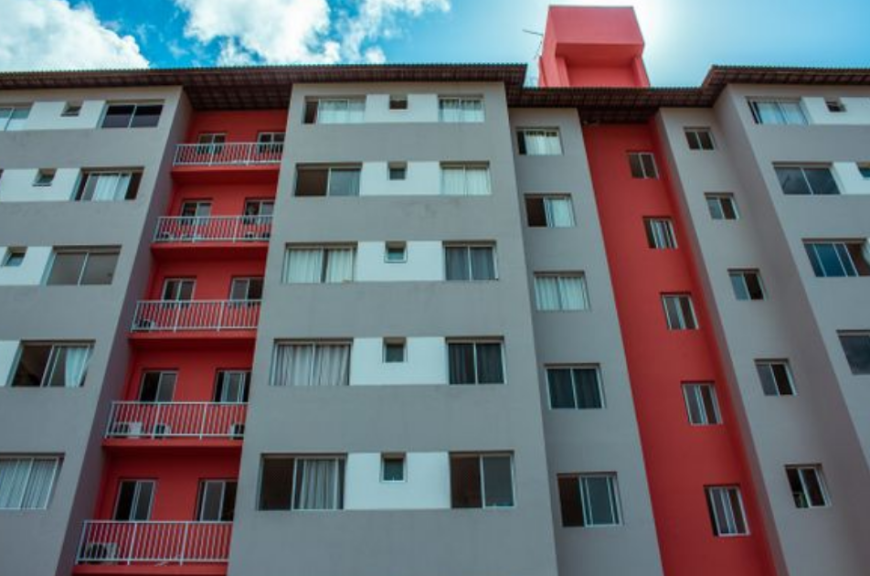
As we navigate through the midpoint of 2026, the real estate landscape looks significantly different than it did just a few short years ago. We’ve moved past the post-pandemic volatility and into a cycle defined by "smart" urbanization, green energy mandates, and a shifting demographic of renters who value flexibility over ownership. For landlords, the goal remains the same: maximizing ROI. However, the methods to achieve that have evolved.
Whether you are a seasoned investor or a newcomer to the housing market, staying ahead of the curve requires more than just looking at a spreadsheet. You need to keep your ear to the ground. In fact, many of the most successful moves this year were predicted months ago by those paying attention to the latest finance gossips—the whispers about interest rate pivots and emerging tech hubs that often precede mainstream news.
In this guide, we will break down the essential strategies for 2026 and analyze the critical factors affecting profitability of rental properties in today’s economy.
The 2026 Real Estate Climate: An Overview
The 2026 rental market is characterized by "selective growth." While national averages show stability, specific micro-markets are seeing double-digit rent increases due to the "Digital Nomad 2.0" wave. These are professionals who are no longer just working from home, but are moving to cities that offer "lifestyle-as-a-service."
To thrive, landlords must shift their mindset from being "rent collectors" to "service providers." The competition is no longer just the apartment building down the street; it’s the high-end managed co-living space that offers integrated high-speed internet, smart security, and sustainable living options.
Key Factors Affecting Profitability of Rental Properties in 2026
To maximize your margins, you must understand what drives value in the current market. Here are the primary drivers:
1. Energy Efficiency and "Green" Ratings
In 2026, energy costs are a top concern for tenants. Properties with high energy-efficiency ratings (LEED certifications or modern insulation) command a premium. Furthermore, many local governments have introduced "Green Penalties" for inefficient buildings. Investing in heat pumps, solar panels, or even simple smart thermostats can significantly boost your net operating income (NOI) by reducing utility overhead and attracting high-quality tenants.
2. Technological Integration
The modern tenant expects a seamless tech experience. This includes keyless entry, smart leak detectors (which can lower your insurance premiums), and EV charging stations. As electric vehicle adoption has reached a tipping point this year, having a dedicated charging port is no longer a luxury—it’s a requirement for high-end rental units.
3. Tenant Retention vs. Acquisition Costs
One of the most overlooked factors affecting profitability of rental properties is the cost of turnover. Between cleaning, marketing, and the dreaded "vacancy month," losing a tenant can wipe out a year’s worth of profit increases. In 2026, successful landlords are using "Renewal Incentives"—such as a free carpet cleaning or a small smart-home upgrade—to keep reliable tenants in place.
4. Adaptive Financing Strategies
With interest rates showing more movement than in previous decades, your financing structure is vital. Many landlords are moving toward "Hybrid Mortgages" or leveraging private equity circles often discussed in finance gossips to find better terms than traditional banks are currently offering.
Strategic Upgrades for 2026 Landlords
If you’re looking to increase your rents this year, consider these high-ROI upgrades:
-
Dedicated Workspace Nooks: Even if a unit doesn't have a spare bedroom, built-in desks with high-quality acoustic panelling are a major selling point for the 2026 remote workforce.
-
Air Quality Systems: Post-2024 building codes have made tenants more aware of indoor air quality. HEPA filtration systems integrated into the HVAC can justify a rent premium.
-
Community Amenities: If you own multi-family units, converting underutilized basement space into a "Zoom Room" or a secure "Parcel Locker" area is essential to compete with new developments.
Navigating the "Finance Gossips" of 2026
Why do we mention finance gossips? Because in a fast-moving market, the "official" data is often six months behind. By the time the central bank announces a policy shift, the market has already priced it in. Smart landlords participate in investor forums and local networking groups where the "gossip" regarding upcoming zoning changes, new corporate headquarters, or transit expansions is shared. Being the first to buy in a neighborhood slated for a new high-speed rail link is how you secure 20% year-over-year equity growth.
10 FAQs for 2026 Rental Property Investors
1. Is 2026 a good year to buy more rental property?
Yes, but you must be selective. Focus on "Secondary Hubs"—mid-sized cities with growing tech sectors. Avoid over-leveraging, as market corrections in overvalued coastal cities are a common topic in recent finance circles.
2. How much should I budget for maintenance in 2026?
Due to the rising cost of specialized labor (HVAC, Electrical), we recommend budgeting 1.5% to 2% of the property value annually, rather than the traditional 1% rule.
3. Are short-term rentals (Airbnbs) still profitable?
They are, but the regulatory environment is much stricter in 2026. Many investors are pivoting to "Medium-Term Rentals" (30–90 days) catering to traveling nurses and corporate relocations to avoid hotel taxes.
4. What is the most important amenity for tenants today?
High-speed, reliable internet is now considered a basic utility, similar to water. Beyond that, secure package delivery systems are the most requested feature.
5. How do EV charging stations affect my property value?
Properties with Level 2 EV charging stations have seen a 5-8% increase in valuation and tend to lease 30% faster than those without.
6. Should I allow pets in my rental?
In 2026, nearly 70% of renters own pets. Allowing pets, perhaps with a "pet rent" or a non-refundable cleaning fee, significantly widens your pool of potential applicants and reduces vacancy time.
7. How do I handle rising property taxes?
This is one of the major factors affecting profitability of rental properties this year. Landlords should appeal their assessments if they are out of line with neighborhood comps and ensure they are passing on costs where legally allowed through escalators.
8. What role does AI play in property management?
AI is now standard for tenant screening and predictive maintenance. AI tools can analyze a tenant's payment history and social data to predict the likelihood of default with high accuracy.
9. Is the "1% Rule" still valid?
In most high-growth markets, the 1% rule (rent being 1% of purchase price) is difficult to achieve. Most investors are now looking at "Total Return," which includes tax benefits and equity growth, rather than just immediate cash flow.
10. How can I protect myself from a potential market dip?
Diversify your portfolio across different asset classes (e.g., a mix of single-family and small multi-family) and keep a liquid cash reserve of at least six months of expenses.
Conclusion
Maximizing profits in 2026 requires a blend of traditional real estate wisdom and an openness to new trends. By understanding the modern factors affecting profitability of rental properties—from green energy to AI-driven management—you can ensure your portfolio remains resilient.
Stay informed, keep an eye on the finance gossips for the next big shift, and always prioritize the tenant experience. The landlords who view their properties as a dynamic service rather than a static asset will be the ones who thrive in the years to come.