Zero Alcohol Whiskey and the Changing Drinking Culture
Over the past decade, drinking culture has undergone a noticeable transformation. What was once centered almost entirely on alcoholic beverages.
 Addisonjons
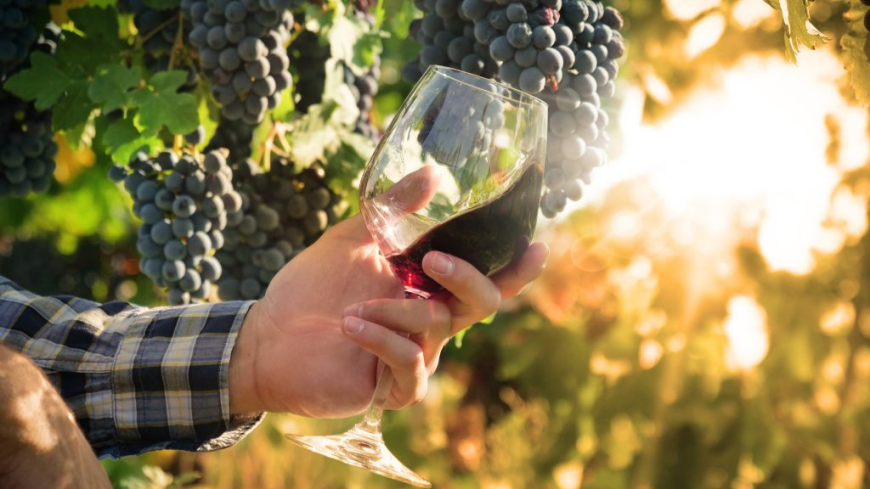
Over the past decade, drinking culture has undergone a noticeable transformation. What was once centered almost entirely on alcoholic beverages is now evolving into something more inclusive, health-conscious, and diverse.
One of the most intriguing developments in this space is the rise of zero alcohol whiskey, a product that aims to replicate the depth and complexity of traditional whiskey without the intoxicating effects. This shift is not just about what people drink, but why they drink, and increasingly, why they choose not to.
The Rise of Mindful Drinking
Modern consumers are more aware than ever of the impact of alcohol on their physical and mental well-being. From fitness enthusiasts to professionals seeking mental clarity, many people are reevaluating their relationship with alcohol. The concept of “mindful drinking” has emerged, encouraging individuals to be intentional about when and how they consume beverages.
In this context, zero alcohol whiskey fits naturally. It allows people to enjoy the ritual, flavor, and social aspects of whiskey drinking without compromising their health goals or daily responsibilities. This is particularly appealing to younger generations who prioritize balance and wellness over excess.
Flavor Without Compromise
One of the biggest challenges in creating non-alcoholic alternatives has been maintaining the flavor profile. Whiskey, in particular, is known for its complexity—notes of oak, smoke, caramel, and spice that develop over time through aging and craftsmanship.
Producers of zero alcohol whiskey have invested heavily in technology and innovation to replicate these characteristics. Techniques such as distillation without fermentation, botanical infusion, and advanced flavor extraction are used to create beverages that closely resemble traditional whiskey. While purists may still notice differences, the gap is narrowing rapidly, making these alternatives more appealing to a broader audience.
Social Inclusion and Changing Norms
Drinking has long been tied to social rituals, celebrations, networking events, and casual gatherings. However, traditional drinking culture can sometimes exclude those who choose not to consume alcohol, whether for health, religious, or personal reasons.
The availability of options like zero alcohol whiskey helps bridge this gap. It enables non-drinkers to participate fully in social settings without feeling out of place. Ordering a sophisticated, whiskey-style drink without alcohol can feel just as socially engaging as ordering a traditional cocktail. This inclusivity is reshaping norms and reducing the pressure to drink alcohol to fit in.
The Influence of Health and Wellness Trends
Health trends have played a significant role in redefining beverage choices. Reduced sugar intake, improved sleep quality, and better mental health are all factors driving people toward alcohol-free alternatives. Alcohol is increasingly seen as something to be moderated rather than consumed freely.
Whiskey aligns with these priorities by offering a lower-calorie, non-intoxicating option that still delivers a premium experience. For many, it’s not about complete abstinence but about having flexibility, choosing when to indulge and when to abstain without sacrificing enjoyment.
Innovation and Market Growth
The market for non-alcoholic beverages has grown rapidly, with startups and established brands alike entering the space. This surge in interest has led to significant innovation, not only in product development but also in branding and marketing.
Whiskey is often presented as a premium product, with elegant packaging and storytelling that mirrors traditional whiskey brands. This positioning helps elevate its status from a mere substitute to a desirable choice in its own right. As consumer demand continues to rise, the category is expected to expand further, offering even more variety and refinement.
Redefining Rituals
Drinking whiskey is often about more than just the liquid—it’s about the ritual. The act of pouring a glass, savoring the aroma, and enjoying the slow sip can be deeply satisfying. These rituals are tied to relaxation, reflection, and connection.
With zero alcohol whiskey, these rituals remain intact. People can unwind after a long day, celebrate milestones, or share a quiet moment with friends without the effects of alcohol. This preservation of ritual is key to its appeal, as it allows individuals to maintain familiar habits while adapting to new lifestyles.
Challenges and Perceptions
Despite its growing popularity, non alcoholic champagne still faces some skepticism. Traditional whiskey enthusiasts may question its authenticity, while others may view it as unnecessary. Changing these perceptions requires education, exposure, and time.
As more people try these products and experience their quality firsthand, attitudes are gradually shifting. The conversation is moving away from “replacement” toward “alternative,” recognizing that different occasions call for different choices.
The Future of Drinking Culture
The evolution of drinking culture is far from complete. As society becomes more diverse and health-conscious, the demand for flexible options will continue to grow. Whiskey represents just one piece of a larger movement toward inclusivity and balance.
In the future, alcohol-free options will likely become a standard part of menus, home bars, and social events. Rather than being seen as a niche category, they will coexist alongside traditional beverages, offering consumers the freedom to choose based on their preferences and circumstances.
Conclusion
The emergence of zero alcohol whiskey highlights a broader cultural shift toward mindful consumption and inclusivity. It reflects changing values, where enjoyment is no longer tied solely to alcohol content but to experience, flavor, and personal well-being.
As more people embrace this new approach, the definition of drinking culture will continue to expand. Whether someone chooses a traditional whiskey or its alcohol-free counterpart, the emphasis is increasingly on choice, balance, and shared experiences.