Your Guide for Choosing Heat-Resistant Work Gloves
Learn how to choose the best heat-resistant work gloves for industrial safety. Compare materials, protection levels, comfort, and durability.
 sharmaakaran78
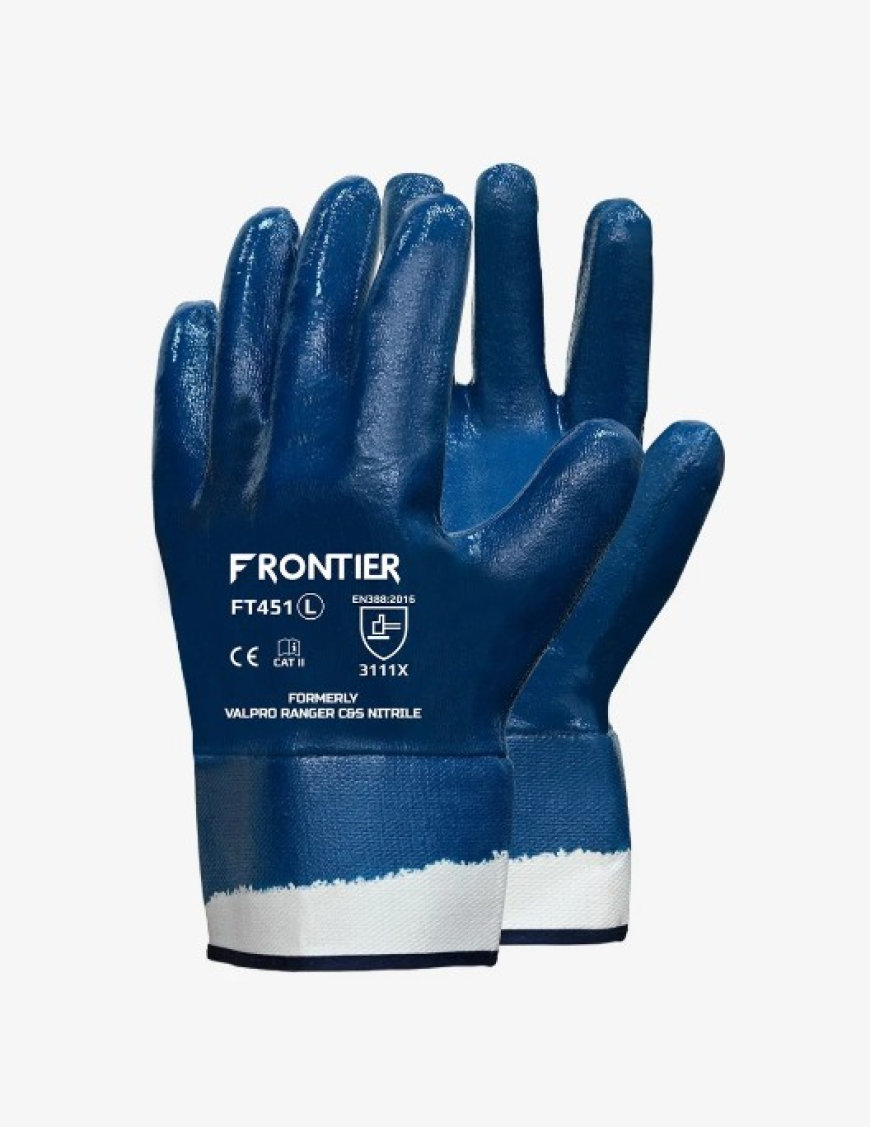
To ensure performance and safety in work environments with high temperatures, choosing the right type of hand safety gloves for men and women working on the floor becomes crucial. Heat-resistant gloves keep hands safe from heat exposure, burns, and other accidents, especially for people working in food handling, foundries, manufacturing, and welding.

Why Are Heat-Resistant Hand Gloves Important?
Heat-resistant hand gloves are an important part of personal protective equipment (PPE). They shield workers from extreme temperatures, minimising the risk of blisters, burns, and other injuries. Hand safety gloves are designed to provide protection while allowing for dexterity and grip. Common fields where heat-resistant gloves are required include:
-
Baking and food processing
-
Glass manufacturing
-
Chemical handling
-
Handling heated substances
-
Metalworking and welding
-
Foundry operations
Factors to Consider When Choosing Heat-Resistant Hand Gloves
Materials
The material of the gloves determines how heat resistant they are, their durability, and flexibility. Some of the most common materials used to make heat-resistant hand gloves include:
-
Kevlar®
-
Leather
-
Aluminised
-
Cotton blends
-
Silicon
Temperature Resistance
Assess how much temperature exposure is involved in your work environment to determine which types of gloves you require. Typically, safety hand gloves are rated for specific temperature ranges, which low heat resistance gloves being suitable for temperature exposure of up to 100 degrees Celsius and high heat resistance gloves being suitable for exposure of 250 degrees Celsius and above,
Thickness and Dexterity
Thicker gloves usually provide better protection, but they may limit dexterity. You should choose gloves that strike a balance between flexibility and protection, based on specific tasks.
Fit and Comfort
Gloves that fit right are more comfortable, easier to hold, and safer. When they are too loose, they may come off, and when they are too tight, they may be painful to wear for long periods of time. So, choosing the right size for each worker is crucial. Some tips to remember:
-
Measure hand size using sizing charts provided by manufacturers.
-
Look for features like adjustable cuffs or closures for a secure fit.
Additional Safety Features
Some gloves come with additional features that can enhance safety and usability. Some features that you can look for include:
-
Cut Resistance
-
Chemical Resistance
-
Extended Cuffs
-
Grip Patterns
Choosing the right heat-resistant hand gloves is essential for workplace safety and productivity. By considering the aforementioned factors, you can select gloves that meet the specific needs of your workforce.