Your Complete Guide to HVAC Systems: How They Work and Why They Matter
 gnv hvac
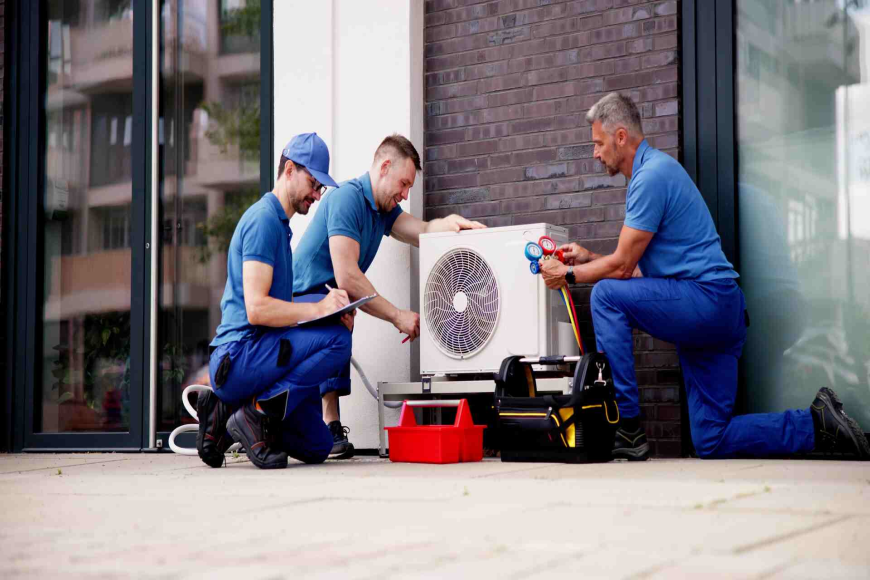
When the temperature outside soars or plummets, your HVAC system is what keeps your home comfortable. But what exactly is HVAC, and how does it function? Whether you’re a new homeowner or simply curious, this guide will explain everything you need to know about HVAC systems in a simple and straightforward way.
What Does HVAC Mean?
HVAC stands for Heating, Ventilation, and Air Conditioning. This system helps regulate your home’s temperature, air quality, and airflow. In other words, HVAC ensures your home is warm during the winter, cool in the summer, and always has fresh air circulating.
The Three Essential Parts of an HVAC System
An HVAC system consists of three main components: Heating, Ventilation, and Air Conditioning. Let’s dive into each one:
1. Heating: Keeping You Warm in Cold Weather
The heating function of your HVAC system ensures that your home stays comfortable during chilly months. This is typically accomplished using a furnace or heat pump.
-
Furnace: Heats air using gas, oil, or electricity, then blows the warm air through ducts into your home.
-
Heat Pump: A versatile system that can both heat and cool your home by transferring heat in or out depending on the season.
2. Ventilation: Managing Airflow and Air Quality
Ventilation is responsible for bringing in fresh outdoor air while expelling stale indoor air. It also regulates humidity and filters out dust, allergens, and other pollutants to maintain a clean, healthy indoor environment.
-
Ducts: These channels carry conditioned air throughout your home.
-
Air Filters: Filters trap particles like dust, pet dander, and pollen, helping to improve indoor air quality.
3. Air Conditioning: Cooling Your Home in Warm Weather
Air conditioning cools your home by removing heat from the indoor air and replacing it with cooler air.
-
Air Conditioners or Heat Pumps: Both types of systems use refrigerants to absorb heat from the air and release it outside.
-
Evaporator Coils: These coils cool the air by absorbing heat, lowering the temperature inside your home.
How Does an HVAC System Work?
Here’s how an HVAC system operates in a typical home:
Step 1: Set Your Thermostat
The thermostat is the control center of your HVAC system. You set your desired temperature, and the thermostat signals the system to either heat or cool the air.
Step 2: Heating or Cooling Begins
-
Heating: When the temperature inside your home drops below your set point, the furnace or heat pump activates to heat the air.
-
Cooling: If the temperature rises above the set point, the air conditioner or heat pump will kick in to cool the air.
Step 3: Air Circulates Through the Ducts
Once the air is heated or cooled, a blower fan moves the air through ducts to different rooms in your house.
Step 4: Ventilation Keeps the Air Fresh
As the air circulates, the ventilation system brings in fresh outdoor air and removes stale indoor air. The filters clean the air as it moves through the system.
Step 5: Maintaining the Desired Temperature
The thermostat continuously monitors the temperature, and when your home reaches the desired setting, the system turns off to save energy. It will automatically turn back on when needed.
Why HVAC Systems Are Important: The Key Benefits
HVAC systems offer more than just comfort—they provide important benefits that make them essential for your home.
1. Comfort All Year Long
HVAC systems ensure that your home stays comfortable, regardless of the season. Whether it’s sweltering outside or freezing cold, your system will keep things cozy indoors.
2. Better Air Quality
With proper ventilation and efficient filters, HVAC systems help remove airborne pollutants such as dust, pollen, pet dander, and even germs, improving the quality of the air inside your home.
3. Energy Efficiency
Modern HVAC systems are designed to be energy-efficient, reducing the amount of energy used to heat or cool your home. This leads to lower utility bills and a smaller environmental footprint.
4. Quiet Operation
Today’s HVAC systems operate more quietly than older models, so you can enjoy a comfortable indoor climate without being disturbed by loud equipment.
5. Smart Thermostats
Many modern HVAC systems feature smart thermostats that allow you to control your home’s temperature remotely via smartphone, making it easier to adjust the temperature even when you're away.
Common HVAC Problems and How to Fix Them
Even the best HVAC systems can encounter issues over time. Here are some of the most common problems and how to handle them:
Common HVAC Issues
-
Clogged Filters: Dirty filters block airflow and reduce efficiency, making your system work harder.
-
Thermostat Malfunctions: If your home is too hot or cold, it may be time to recalibrate or replace the thermostat.
-
Refrigerant Leaks: Low refrigerant can impact your air conditioner's ability to cool your home and damage the compressor.
-
Worn-out Components: Parts like motors, fans, or belts can wear out with age and may need replacing.
When to Replace Your HVAC System
You may need to replace your HVAC system if:
-
It’s over 10-15 years old.
-
You’re facing frequent or expensive repairs.
-
Your energy bills have risen significantly.
-
There are noticeable hot or cold spots in your home.
-
Your system is using outdated refrigerants.
Replacing an old system with a more energy-efficient one can improve comfort and save you money in the long run.
Tips to Keep Your HVAC System Running Efficiently
Taking care of your HVAC system helps it last longer and work better. Here are some simple maintenance tips:
-
Replace Filters Regularly: Change filters every 1-3 months to ensure proper airflow and maintain air quality.
-
Schedule Annual Maintenance: Have a professional service your system at least once a year to keep it running efficiently.
-
Clear Vents and Ducts: Make sure vents and ducts are free from obstructions to promote proper airflow.
-
Use a Programmable Thermostat: This allows you to control the temperature based on your schedule, helping you save energy when you’re not home.
-
Listen for Unusual Noises: If your system starts making strange sounds, it could indicate a problem that requires professional attention.
When to Call an HVAC Technician
While some tasks—like changing the filters—are easy for homeowners to handle, other issues require the expertise of a licensed HVAC technician. Call a professional if:
-
Your system isn’t heating or cooling properly.
-
You hear strange noises or smell unusual odors.
-
Your energy bills are increasing despite regular use.
-
You need a system replacement or major repairs.
A technician can inspect, diagnose, and fix your HVAC system to ensure it runs smoothly.
Conclusion: Why Your HVAC System Is Essential for Your Home
Now that you understand what HVAC stands for and how it works, you can appreciate how vital these systems are for maintaining a comfortable home. With regular maintenance and timely repairs, your HVAC system can keep your indoor environment pleasant year-round.
If you’re experiencing problems with your HVAC system or need an upgrade, don’t hesitate to contact a professional. Proper care and maintenance can help your system run efficiently, saving you energy and keeping your home comfortable for years to come.