Why Tooth Pain Worsens at Night | Bryn Mawr Dentist
Tooth pain worse at night in Bryn Mawr? Learn the real causes, fast relief tips, and when to call your dentist in Bryn Mawr for same-day care.
 Smith024
Why Does Tooth Pain Get Worse at Night? A Bryn Mawr Dentist Explains
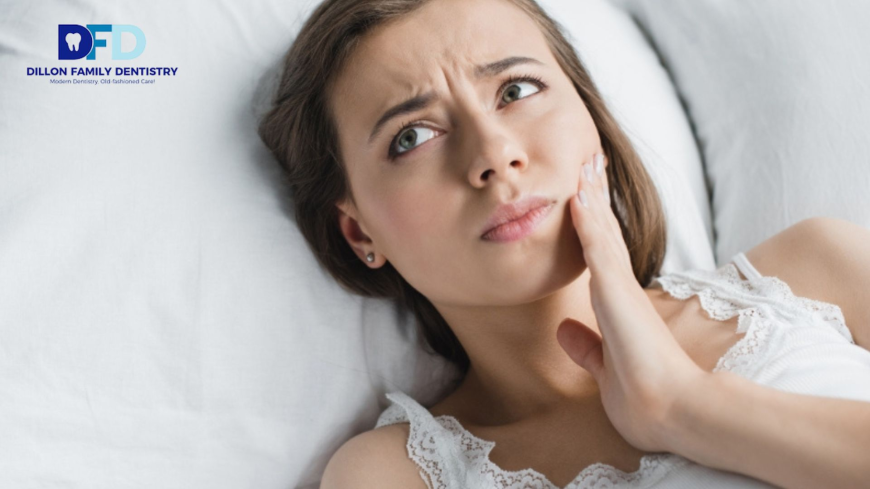
Tooth pain that flares after dark is one of the clearest signs your mouth needs professional attention soon. Nighttime tooth pain almost always has a specific, diagnosable cause, from deep cavities and cracked teeth to abscesses and impacted wisdom teeth, and each one responds far better to early treatment than to waiting it out. At Dillon Family Dentistry in Bryn Mawr, PA, we regularly see Main Line patients who spend nights in real discomfort, unsure whether their toothache was worth a call. In nearly every case, it is. This guide explains why the pain follows a nighttime pattern, what is likely causing it, and when to reach a dentist in Bryn Mawr.
Why Tooth Pain Spikes at Night
Most of the time, your tooth has not actually changed between afternoon and midnight. What changes is your body's relationship to the pain. Three things happen overnight that turn a manageable ache into something you cannot sleep through.
When you lie flat, blood redistributes toward your head and raises pressure in the inflamed tissue, so every heartbeat feels like a throb. At the same time, cortisol, your body's natural anti-inflammatory hormone, drops to its lowest point between midnight and 3 a.m., leaving inflammation unchecked. And in a dark, quiet room, your brain has nothing competing for attention, so it gives the pain full focus. The pain has not worsened. It has gotten louder.
That matters because if a toothache is disrupting your sleep, the underlying cause was likely strong enough to generate a real signal all day. You were simply too busy to notice it.
Seven Common Causes of Nighttime Tooth Pain
Here are the causes we see most often at our Bryn Mawr practice:
• Deep cavities. Decay that reaches the dentin causes sensitivity to sweets and temperature; once it reaches the pulp, the pain turns constant and severe. Early decay is painless, which is why routine teeth cleaning and exams catch it while it is still a simple filling.
• Dental abscess. A pocket of infection that produces relentless, throbbing pain, often with gum or facial swelling, a bad taste, or a pimple-like bump on the gum. An abscess will not resolve on its own.
• Cracked or fractured tooth. A quick zing when biting during the day can become a lingering nighttime ache as the crack lets pressure and temperature reach the pulp.
• Wisdom teeth. Impacted or partially erupted molars press on neighbors and trap bacteria, sometimes causing an infected gum flap (pericoronitis) that throbs worse lying down.
• Gum disease. Advanced periodontal infection creates a deep, hard-to-pinpoint ache along with swollen, bleeding gums.
• Teeth grinding (bruxism). Clenching during sleep inflames the ligament holding your teeth and causes diffuse aching, jaw soreness, and morning headaches.
• Sinus pressure. Inflamed sinuses sit right above the upper molars and can mimic a toothache across several upper teeth at once.
Dental Pain Relief Before You Reach the Dentist
These steps will not fix the cause, but they can make the night bearable:
• Prop your head up with extra pillows to reduce pressure in your head.
• Take ibuprofen as directed, since it targets both pain and inflammation.
• Apply a cold compress to your cheek in 15-to-20-minute intervals.
• Rinse gently with warm saltwater (half a teaspoon in eight ounces).
• Avoid very hot or cold food and drinks, and do not chew on the sore tooth.
If you try clove oil, dilute it heavily and apply it only to the tooth, never the gum, where it can burn soft tissue.
When Nighttime Tooth Pain Is an Emergency
Most nighttime tooth pain can wait for a morning call, but some signs need attention right away. Go to the emergency room if tooth pain comes with spreading facial, jaw, or neck swelling, difficulty swallowing or breathing, a fever above 101 degrees, or an inability to open your mouth. These suggest an infection is spreading into deeper tissue, which can become serious fast. For pain that disrupts sleep, resists ibuprofen, or lasts more than 24 hours, call your dentist in Bryn Mawr first thing in the morning, when we do our best to see urgent patients the same day.
How We Diagnose and Treat the Source
When you come in, we start with a targeted exam: percussion and bite tests, thermal sensitivity checks, and digital X-rays, plus transillumination for suspected cracks. We do not guess. Once we know the cause, our first priority is getting you comfortable, then we move to definitive treatment. That might mean a filling or crown for a cavity, a root canal for an inflamed pulp, draining an abscess, restoring a cracked tooth, or starting periodontal care with a deep cleaning. For grinders, a custom night guard protects against both pain and future cracks. We also offer dental implants and crowns when a tooth needs replacing, and Invisalign for bite problems that contribute to grinding and cracking.
A Note on Teeth Whitening and Sensitivity
Patients sometimes ask whether nighttime sensitivity is linked to teeth whitening. It can be, and it feels different from structural tooth pain. Peroxide-based whiteners temporarily open tiny channels in the enamel, which can cause a sharp, zinging sensitivity that comes in waves rather than a constant throb. It usually fades within 24 to 48 hours of stopping. If you are whitening at home and feel it, pause the product, switch to a sensitivity toothpaste, and avoid temperature extremes for a day or two. If a constant throbbing replaces the zing, or sensitivity lasts beyond 48 hours, that points to a separate tooth issue worth having checked.
Preventing the Next Sleepless Night
Nearly every cause above is preventable or easier to manage when caught early. Twice-yearly teeth cleaning and exams let us spot decay, cracks, and gum issues before they become 2 a.m. emergencies. A night guard protects grinders, treating small cavities early keeps a 30-minute filling from becoming a root canal, and consistent gum care stops periodontal disease, while scaling alone can still resolve it. Steady family dental care in Bryn Mawr is what keeps these problems off your radar.
Tooth Pain at Night in Bryn Mawr? We Can Help
If you are looking for an emergency or same-day dentist in Bryn Mawr, the answer starts with a phone call. Reach Dillon Family Dentistry at 610-991-7844 or book your appointment online. Our office at 1084 East Lancaster Avenue is a short drive for patients in Haverford, Ardmore, Villanova, Wayne, Rosemont, and Radnor. We accept most plans, so review your dental insurance and financing options anytime. Do not spend another night staring at the ceiling.
Read More: Why Does Tooth Pain Get Worse at Night? Common Causes Explained
Frequently Asked Questions
Why does tooth pain get worse at night?
Three things combine overnight: lying down raises blood pressure in inflamed tooth tissue, your cortisol drops to its lowest point and stops suppressing inflammation, and a quiet room lets your brain focus fully on the pain. Together, they turn a manageable daytime ache into severe nighttime pain.
What causes severe tooth pain at night?
The usual culprits are a deep cavity reaching the nerve, a dental abscess, a cracked tooth, an impacted wisdom tooth, advanced gum disease, nighttime grinding, or occasionally sinus pressure referred to the upper teeth. Only a clinical exam with X-rays can confirm which one.
Is tooth pain at night a dental emergency?
Pain that interrupts sleep, resists over-the-counter medication, or lasts more than 24 hours deserves a same-day appointment. Pain with facial swelling, fever, or trouble swallowing or breathing needs immediate emergency care.
How do I relieve tooth pain at night at home?
Elevate your head with extra pillows, take ibuprofen as directed, apply a cold compress to your cheek, and rinse with warm saltwater. Avoid temperature extremes and do not chew on the sore tooth. These steps are temporary; the cause still needs a dentist in Bryn Mawr to treat it.
What are the symptoms of a tooth abscess?
An abscess causes severe, constant throbbing that worsens when you lie down, often with gum or facial swelling, a bad taste or odor, a pimple-like bump on the gum, and sometimes fever. It needs prompt treatment and will not clear up on its own.
Why is wisdom tooth pain worse at night?
Positional blood pressure changes amplify the pressure around an impacted or erupting wisdom tooth. Partially erupted molars can also develop pericoronitis, an infection in the gum flap over the tooth, which throbs sharply when you are lying down.
Can teeth grinding cause tooth pain at night?
Yes. Grinding inflames the ligament that anchors your teeth, creating a diffuse ache across several teeth, plus jaw soreness and morning headaches. A custom night guard is the most effective and conservative fix, and it also helps prevent cracks.
Does teeth whitening cause tooth pain at night?
Whitening can cause temporary sensitivity that is sharp and zingy rather than a constant throb, and it usually fades within 24 to 48 hours of stopping. If throbbing pain replaces the zing or sensitivity lingers, that signals a separate issue. See our teeth whitening page for more on managing it.