Why Sewer Line Inspections Are Crucial During a Home Purchase
In this post, we'll explore why sewer line inspections are essential during a home purchase, what problems they can uncover, the implications of various findings, and what you need to know before making that final offer.
 freyaparker
Buying a new home is one of the most significant investments you'll ever make. Amid all the excitement of home tours, bidding wars, and securing a mortgage, there's one crucial step that often gets overlooked: the sewer line inspection. While it may not be the most glamorous aspect of homeownership, a sewer line inspection can save you from significant financial and structural headaches down the road.
In this post, we'll explore why sewer line inspections are essential during a home purchase, what problems they can uncover, the implications of various findings, and what you need to know before making that final offer.
What is a Sewer Line Inspection?
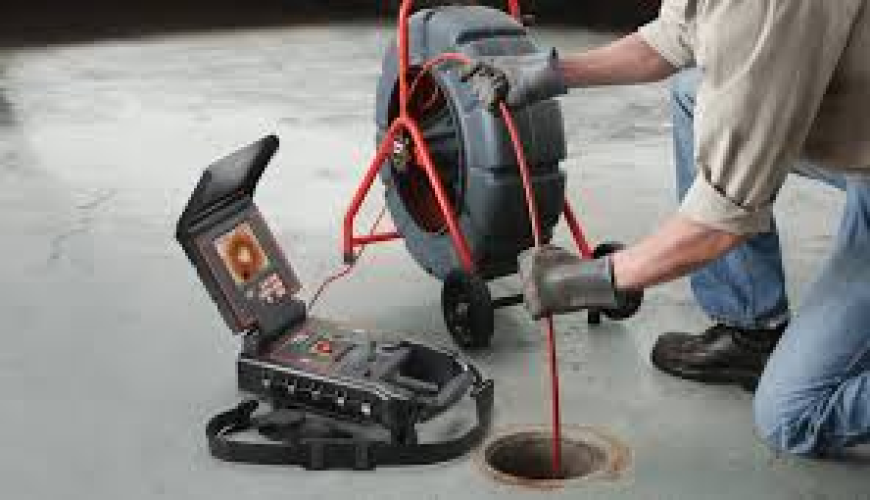
A sewer line inspection is a detailed evaluation of the lateral sewer line that connects a home to the municipal sewer system or a private septic tank. Unlike general home inspections that assess a property's visible features, this specialized inspection involves inserting a small, waterproof camera into the sewer line to check for issues like blockages, cracks, tree root intrusion, and other damage.
These inspections provide a visual diagnosis of a critical but hidden part of your future home. Given the potential costs and complications associated with sewer line damage, it’s a step that should not be skipped.
Why It's Often Overlooked
Sewer lines are out of sight and, unfortunately, out of mind for many homebuyers. Most people assume that if a toilet flushes and the sinks drain properly during an open house, everything must be fine. But these superficial checks can be misleading. Problems can exist deep within the line that only a camera inspection can reveal.
Another reason sewer line inspections are overlooked is because they are not typically included in standard home inspections. They require specialized equipment and are considered an additional service.
Common Problems Uncovered During Sewer Line Inspections
Let’s dive into some of the issues that a sewer line inspection might reveal:
1. Tree Root Intrusion
Tree roots naturally seek out moisture, and sewer lines are a perfect source. Over time, roots can infiltrate small cracks and joints in the line, eventually leading to blockages or even line collapse.
2. Cracked or Collapsed Pipes
Pipes made from older materials like clay or cast iron are susceptible to cracking or collapsing due to age, ground shifting, or external pressure. These issues can lead to leaks, blockages, and extensive repairs.
3. Blockages and Build-up
Years of grease, soap scum, hair, and other debris can build up inside the pipes, leading to slow drains and backups. In severe cases, professional cleaning or pipe replacement may be necessary.
4. Offset or Misaligned Pipes
Ground movement, poor installation, or wear and tear can cause pipes to become misaligned. This disrupts the flow of wastewater and can result in leaks or backups.
5. Pipe Bellies
A pipe belly is a sag in the line where water and waste can accumulate. This can slow down drainage and increase the risk of blockage.
Implications of These Findings
The discoveries made during a sewer line inspection can have a significant impact on your decision to purchase a home. Here’s what you need to know:
Financial Costs
Sewer line repairs can be extremely expensive. Depending on the severity and location of the damage, repairs can range from a few hundred to several thousand dollars. Complete replacement can cost even more, especially if the line runs under paved driveways or mature landscaping.
Health and Safety Concerns
Sewage backups are not just unpleasant; they can pose serious health risks. Raw sewage can contain bacteria, viruses, and other pathogens that are harmful to humans and pets.
Home Value and Negotiation Power
A damaged sewer line can reduce a home's value and should be factored into the final sale price. If issues are discovered, you may be able to negotiate repairs or a lower price with the seller.
When to Schedule a Sewer Line Inspection
It’s best to schedule the inspection during the due diligence period after your offer has been accepted but before the closing date. This gives you time to review the results and make informed decisions.
Older Homes
If the home was built more than 20-30 years ago, a sewer line inspection is even more critical. Older pipes are more likely to suffer from wear and tear, corrosion, or outdated materials like Orangeburg, which have a known failure rate.
Signs of Potential Problems
Even in newer homes, you should be wary of signs like:
-
Frequent drain clogs
-
Sewer odors in or around the house
-
Unusually lush patches of grass (which may indicate a sewage leak)
-
Gurgling noises from the plumbing
If any of these are present, a sewer line inspection should be a priority.
What Happens During the Inspection?
The process is relatively quick and non-invasive:
-
Access Point: The inspector finds an entry point, usually a cleanout, to insert the camera.
-
Camera Insertion: A high-resolution camera attached to a flexible rod is fed through the line.
-
Live Feed and Recording: The camera transmits real-time video to a monitor. Some inspections also provide a recorded copy.
-
Assessment: The inspector notes the condition of the pipes, identifies any issues, and provides a detailed report.
Understanding the Report
After the inspection, you’ll receive a report that includes:
-
Video footage or snapshots
-
Location of any problems
-
Type and severity of issues
-
Recommendations for repair or maintenance
It’s important to go over this report with a qualified professional to understand the scope of the problems and potential repair costs.
Potential Outcomes and Next Steps
Based on the inspection results, you may need to:
-
Negotiate repairs with the seller before closing
-
Walk away from the deal if the problems are severe
-
Budget for future maintenance if the issues are manageable
Some buyers also choose to get a second opinion, especially if the recommended repairs are extensive.
Preventive Benefits Beyond the Sale
Even if the inspection doesn’t reveal major problems, it serves as a valuable benchmark for future maintenance. You’ll have peace of mind knowing that this hidden but essential system is in good shape.
Sewer line inspections also help you:
-
Establish a maintenance schedule
-
Avoid emergency repairs
-
Increase the lifespan of your plumbing system
Conclusion
A sewer line inspection might not be the first thing on your mind when buying a home, but it should be. This small investment of time and money can protect you from future headaches, unexpected costs, and serious health concerns. By understanding the condition of a property’s sewer line before you sign on the dotted line, you’ll be making a more informed and confident decision.
In the grand scheme of home buying, it’s just one more box to check—but it could be the most important one you’ll ever tick.