Why Regular Roof Inspections Matter More Than Most Homeowners Realize
 press
press
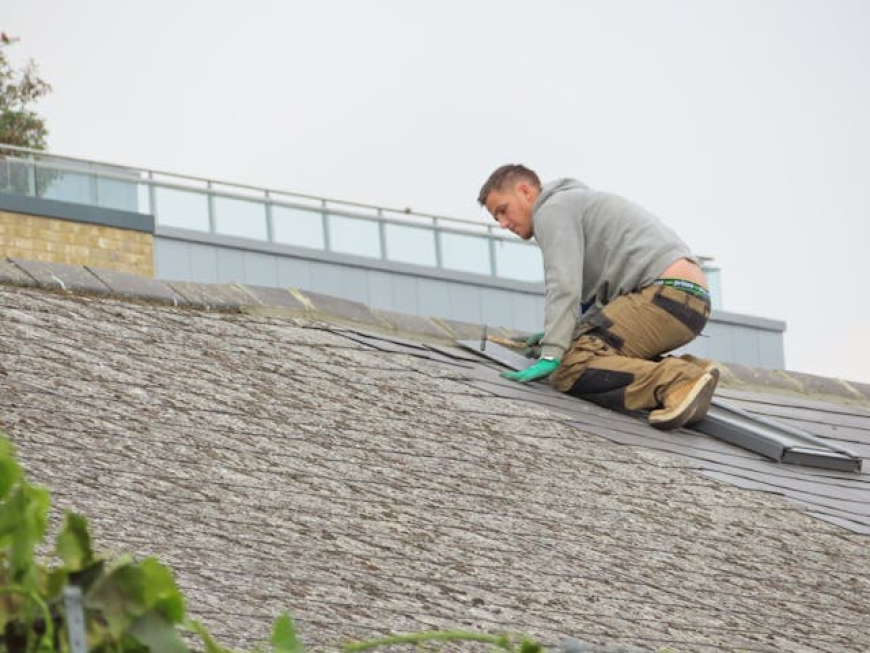
For many homeowners, the roof is a “set it and forget it” part of the house. As long as there are no visible leaks or missing shingles, it’s easy to assume everything is fine. In reality, roofing problems often develop quietly, long before they show obvious signs indoors. That’s why routine roof inspections play such an important role in protecting both your home and your budget.
This article explores what a roof inspection actually involves, why timing matters, and how homeowners—especially in growing residential areas—can make smarter decisions by staying proactive instead of reactive.
What a Roof Inspection Really Looks For
A proper roof inspection goes far beyond a quick glance at shingles. Its purpose is to evaluate how well the entire roofing system is functioning as a barrier against water, wind, and temperature changes.
During a thorough inspection, professionals typically assess:
-
Shingle condition, including cracking, curling, or granule loss
-
Flashing around chimneys, vents, and valleys
-
Signs of trapped moisture or soft spots
-
Gutter and drainage performance
-
Ventilation balance and attic conditions
Many of these issues are not visible from the ground, which is why inspections are so valuable even when a roof appears “fine” at first glance.
The Hidden Cost of Skipping Inspections
One of the biggest misconceptions about roofing is that problems will announce themselves clearly and early. In practice, small issues often grow quietly until they become expensive repairs.
For example, a minor flashing failure may allow water to seep in slowly. Over time, that moisture can damage insulation, wood framing, and interior surfaces. By the time a stain appears on the ceiling, the underlying repair may be far more extensive than a simple fix.
Regular inspections help homeowners catch these problems early, when solutions are simpler and more affordable.
When Homeowners Should Schedule a Roof Inspection
There’s no single “perfect” time for a roof inspection, but certain situations make them especially important.
Consider scheduling an inspection if:
-
Your roof is over five years old
-
You’ve recently experienced severe weather or high winds
-
You’re buying or selling a home
-
You notice higher energy bills without a clear reason
-
You plan to replace siding, gutters, or insulation
Even newer roofs benefit from periodic inspections, especially to confirm that installation details and ventilation are performing as intended.
How Inspections Support Smarter Repair Decisions
Not every roofing issue requires a full replacement. In fact, many problems can be addressed with targeted repairs—if they’re identified early enough.
A detailed inspection provides clarity on:
-
Whether damage is localized or widespread
-
How much life remains in the existing roof
-
Which issues are urgent versus cosmetic
-
Whether repairs will meaningfully extend roof lifespan
This information allows homeowners to plan ahead instead of making rushed decisions after a leak or emergency.
The Role of Local Conditions in Roof Wear
Roofing systems don’t age the same way everywhere. Local climate, seasonal changes, and environmental exposure all affect how quickly materials deteriorate.
In residential communities with a mix of sun exposure, storms, and seasonal temperature swings, roofs can experience gradual stress that isn’t immediately obvious. Inspections tailored to local conditions help account for these factors and provide more accurate recommendations.
For homeowners who want insight into what a localized evaluation looks like, resources such as Sharpsburg GA roof inspection and estimate can help explain how inspections and estimates are approached with regional considerations in mind.
What to Expect From an Inspection Report
A quality roof inspection should leave you with more than verbal feedback. Clear documentation helps homeowners understand current conditions and plan next steps.
A typical inspection summary may include:
-
Notes on existing damage or wear
-
Photos of problem areas
-
Estimated remaining roof lifespan
-
Repair or maintenance recommendations
-
Budgetary guidance for future planning
This information is especially helpful for homeowners who want to prioritize projects over time rather than addressing everything at once.
Roof Inspections and Long-Term Home Value
Beyond preventing leaks, roof inspections support long-term property value. A well-documented maintenance history can be reassuring to future buyers and may reduce last-minute negotiation issues during a sale.
Even if you’re not planning to move, inspections help preserve the overall condition of your home by ensuring that water, heat, and air are properly managed at the top of the structure.
Final Thoughts
Roof inspections aren’t about finding problems—they’re about preventing them. By understanding what inspections involve and why they matter, homeowners can protect one of their biggest investments with relatively small, proactive steps.
Instead of waiting for visible damage or emergency repairs, regular inspections offer peace of mind, clearer planning, and better control over long-term maintenance costs. In the bigger picture of homeownership, that kind of foresight pays off year after year.