Why GC-Tested Desi Ghee Is a Better Choice for Your Family
Why GC-Tested Desi Ghee Is a Better Choice for Your Family — Learn how GC testing helps assess the purity and quality of desi ghee. Discover why choosing tested ghee from a trusted brand like Madhusudan can be a better choice for everyday cooking.
 madhusudanworld
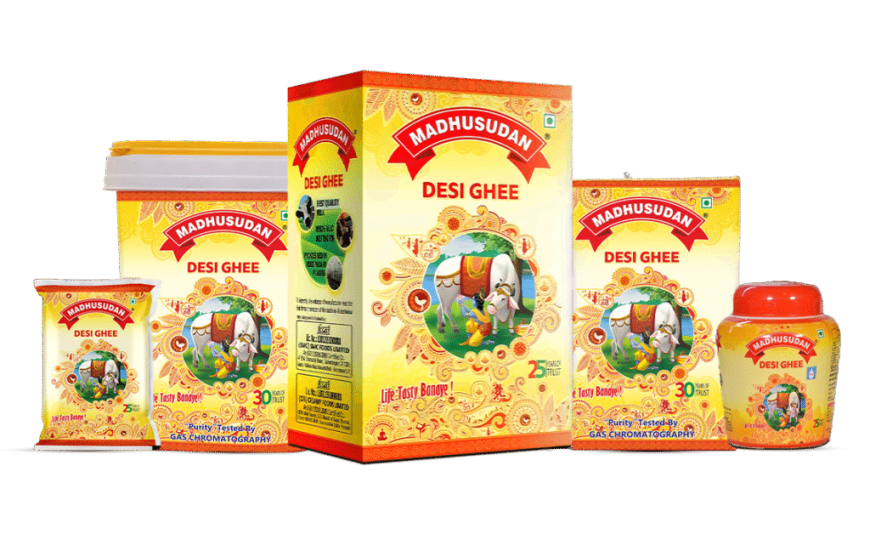
There's a particular smell that hits you the second you walk into certain kitchens, warm, a little nutty, impossible to fake. That's what real desi ghee used to smell like in most Indian homes, before shelves got flooded with tubs and packets claiming to be the same thing. You'd know it was there before anyone even told you.
That was ghee made the way it was meant to be made. Somewhere along the way many of us drifted from that habit and started picking up whatever tub looked convenient at the store. Ghee's making its way back into kitchens now, only this time round, people actually want to know what's sitting inside that jar before they trust it anywhere near their family's food.
Why Desi Ghee Is Making a Comeback
There's a quiet sort of shift happening in how people eat these days, in case you haven't noticed it yet. Families are drifting back towards the basics instead of chasing whatever's trending online that particular week, and GC Tested desi ghee is caught right up in the middle of that shift.
Honestly, it never should've fallen out of favour to begin with. Somewhere between processed food and quick convenience meals, ghee got branded unhealthy, and that was never really fair. The actual problem was never the ghee itself. It was the adulterated stuff sitting on shelves, dressed up to look like the real thing. We've been watching this shift closely at Madhusudan, and honestly, it's a big reason why we keep pushing to stay upfront about how our ghee actually gets made and tested, start to finish.
What Does GC-Tested Desi Ghee Mean?
This term sounds technical but it really is not once it is explained simply. GC stands for gas chromatography which is a lab process used to check exactly what is present inside the ghee down to the individual fatty acids and compounds. So when a jar is labelled GC Tested Desi Ghee it means someone has actually verified that there is no vegetable oil mixed in, no synthetic fat and no shortcuts hidden inside. It is not a decorative label added for marketing purposes. It is documented proof that what you are buying matches what it claims to be.
How Quality Testing Ensures Pure Ghee
Consider it this way. Would you trust a report card that nobody ever checked properly? The same logic applies to ghee. Desi ghee quality testing is not something done once for the sake of a label. It needs to happen consistently, batch after batch, so that what is inside today's jar matches what was inside last month's. This is the part most people never think about because they assume ghee is simply ghee. In reality the difference between tested and untested ghee can be significant even though both may look and smell nearly identical sitting next to each other on a shelf.
- It confirms there is no added vegetable oil or synthetic fat
- It verifies the fat composition matches pure cow or buffalo ghee
- It keeps quality consistent from one batch to the next
Health Benefits of Pure Desi Ghee
Once you know the ghee in front of you is genuinely pure, the pure desi ghee benefits start to make much more sense. Rich in healthy fats, pure desi ghee can be a valuable part of a balanced diet when consumed in moderation. Traditionally, a spoonful of ghee has been added to hot rice, dal, and other Indian dishes, helping enhance their taste and making meals more satisfying.
Pure desi ghee is also traditionally valued for supporting digestion and maintaining joint health. For centuries, ghee has held an important place in Ayurvedic cooking and traditional Indian diets. However, these benefits depend on choosing genuine, high-quality ghee. That is why checking the purity and quality of the ghee you consume is just as important as understanding its benefits.
How to Choose the Right Ghee for Your Family
So how do you actually separate the good ghee from everything else lined up on a store shelf? Knowing how to identify pure desi ghee comes down to a few practical checks rather than guesswork.
- Check the texture. Pure ghee tends to turn slightly grainy at room temperature
- Smell it closely. There should be a rich nutty aroma rather than something flat or overly processed
- Look for lab testing information on the packaging, since that is the one thing that cannot be faked simply by appearance
If you are searching for the best desi ghee for family health, testing and transparency matter far more than the brand name printed across the jar. A calm, informed choice here makes a real difference over time, especially for growing children and elderly family members who rely on food quality more than most.
Why Madhusudan GC-Tested Desi Ghee Stands Out
This is exactly where Madhusudan Desi Ghee fits into the picture. We do not simply claim purity. We prove it, batch after batch, with actual lab results standing behind every jar. Our ghee follows a traditional preparation process and undergoes modern testing to verify its quality and purity. This approach gives families more than a label to trust—they get ghee that we carefully check at every stage. For us, this is not just a marketing claim. We take this responsibility seriously because we know how much the quality of food matters to every family.
Ghee has always been more than just another ingredient in the Indian kitchen. For generations, Indian families have enjoyed its rich taste and made it a part of their everyday meals and traditions. In today’s market, earning that trust requires transparency and consistency. At Madhusudan, we believe genuine trust comes from consistent quality and honest testing, not from promises alone. That is why we remain committed to providing families with ghee they can confidently choose and enjoy every time.
Frequently Asked Questions
Is GC-tested ghee pricier than regular ghee?
Sometimes, just a touch. But honestly, that little extra you're paying for is real tested purity, not some fancy word printed on a label.
Can I have desi ghee daily, or is that too much?
You can, actually. In sensible amounts it works perfectly fine as part of everyday cooking. No need to save it for special days only.
How would I even know if my ghee's fake or mixed with something?
Good ghee melts smooth and has that rich, nutty smell to it. If yours smells off or leaves behind a waxy film, that's usually your sign something's not right.
So does GC testing basically mean it's completely pure?
Pretty much, yeah. It means the ghee's been checked in a lab for exactly what's in it, so you're not just taking someone's word for it, you're going off an actual tested result.