How Are Sensor ICs Transforming Precision Measurement in Modern Electronics?
Explore Sensor ICs for precise measurement, smart control, automation, energy systems, and connected electronics across modern industrial applications.
 joddie25
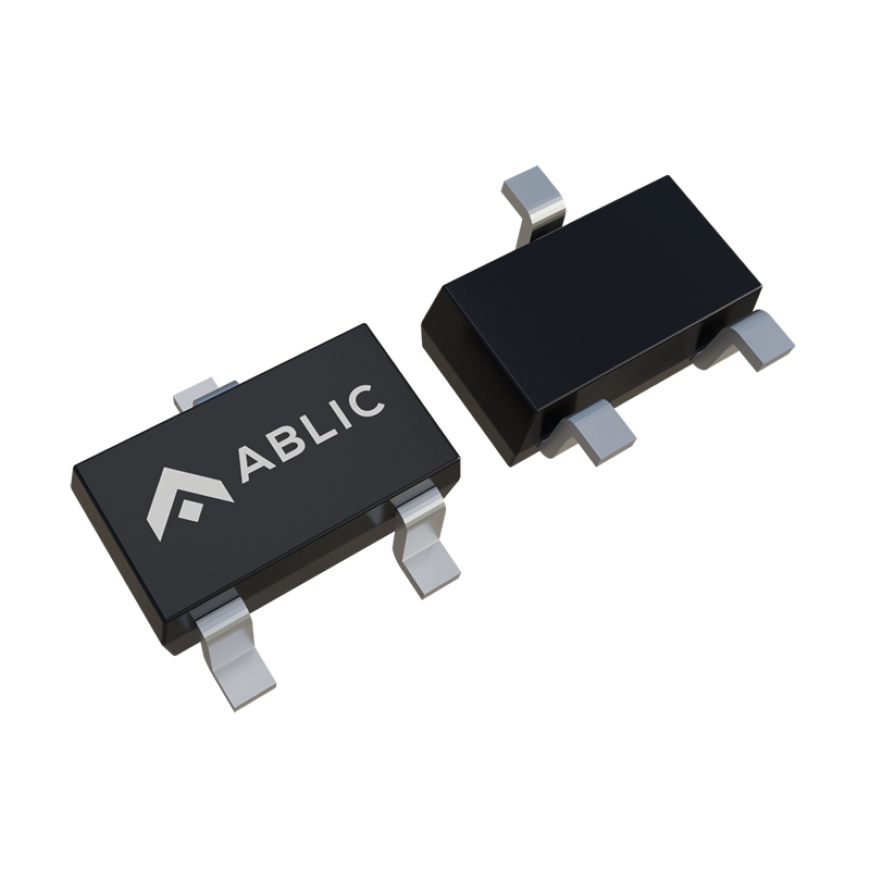
Sensor ICs are becoming increasingly important because modern electronic systems need accurate information about the physical world before they can make useful decisions. These compact semiconductor devices detect environmental, mechanical, optical, magnetic, thermal, or electrical changes and convert them into signals that processors can interpret.
As electronics become more automated, connected, and intelligent, the need for dependable sensing continues to grow. Sensor ICs now support everything from factory automation and electric vehicles to smart appliances, medical instruments, portable devices, renewable energy systems, and robotics.
Their compact construction also allows engineers to integrate sophisticated sensing capabilities without requiring large amounts of board space. This makes Sensor ICs especially valuable in products where size, performance, and power efficiency must be carefully balanced.
What Functions Can Sensor ICs Perform Inside a Circuit?
Sensor ICs can perform several tasks beyond detecting a physical parameter. Many devices include built-in circuitry that prepares sensor information before sending it to the main controller.
Typical functions can include:
- Physical condition detection
- Signal amplification
- Noise reduction
- Calibration
- Temperature compensation
- Analogue-to-digital conversion
- Threshold detection
- Digital communication
- Diagnostic reporting
This integration can simplify circuit design by reducing the number of external components required.
For engineers, fewer components can mean simpler PCB layouts, easier assembly, improved consistency, and reduced opportunities for signal errors.
How Do Sensor ICs Improve Real-Time Monitoring?
Real-time monitoring allows electronic systems to react quickly when operating conditions change.
Sensor ICs can continuously observe variables such as temperature, current, movement, pressure, light, or magnetic field strength. When a change occurs, the sensing device provides updated information to the control system.
This enables equipment to respond immediately rather than waiting for manual intervention.
For example, a system may:
- Reduce motor speed when temperature rises
- Shut down when excessive current is detected
- Adjust lighting according to ambient conditions
- Activate ventilation when environmental conditions change
- Correct motion when position changes
- Trigger an alarm when pressure exceeds a safe level
Fast and accurate sensing can therefore improve both operational control and equipment protection.
Which Sensor ICs Are Commonly Used in Electronic Design?
Different applications require different sensing technologies.
Temperature Sensor ICs
Temperature Sensor ICs monitor thermal conditions in electronic and industrial equipment. They can be used for protection, cooling control, process monitoring, and environmental measurement.
They are commonly found in:
- Power supplies
- Battery systems
- Industrial machinery
- Consumer electronics
- Communication equipment
- Heating and cooling systems
Some devices offer digital outputs, while others provide analogue signals proportional to temperature.
Magnetic Sensor ICs
Magnetic Sensor ICs detect changes in magnetic fields. They are frequently used where mechanical position or movement must be monitored without direct physical contact.
Typical uses include:
- Motor commutation
- Shaft position sensing
- Door detection
- Rotational speed measurement
- Current measurement
- Automotive controls
Their contactless nature makes them useful in applications that require long operating life.
Optical Sensor ICs
Optical Sensor ICs respond to changes in light or infrared energy.
They can support applications such as:
- Automatic brightness control
- Object detection
- Proximity sensing
- Display management
- Industrial inspection
- Security systems
Optical sensing allows equipment to respond automatically to surrounding lighting or object movement.
Pressure Sensor ICs
Pressure Sensor ICs measure pressure in air, gases, or liquids.
They are used in:
- Pneumatic equipment
- Medical devices
- Automotive systems
- Industrial process control
- Pumps
- Environmental instruments
Precise pressure measurement can help improve control accuracy and detect abnormal operating conditions.
How Do Sensor ICs Support Smart Energy Management?
Energy systems need accurate measurements to operate safely and efficiently.
Sensor ICs can monitor current, temperature, magnetic fields, and other operating conditions in power electronics.
They are useful in:
- Battery management systems
- Solar inverters
- Electric vehicle electronics
- Power supplies
- Charging equipment
- Energy storage systems
- Industrial power converters
Current sensing is particularly important because it allows a system to determine how much electrical energy is being transferred.
Temperature sensing is also critical because excessive heat can reduce efficiency and damage components.
By combining several sensing functions, power management systems can make better decisions about protection, charging, cooling, and energy distribution.
Why Are Sensor ICs Valuable in Portable Devices?
Portable electronics require components that are small and energy efficient.
Sensor ICs are well suited to these requirements because many devices are available in miniature surface-mount packages and can operate using very little power.
Battery-powered products may use Sensor ICs for:
- Motion detection
- Orientation sensing
- Temperature monitoring
- Light measurement
- Proximity detection
- Environmental monitoring
Low-power operation allows sensing functions to remain active without placing excessive demand on the battery.
Some devices also support standby or sleep modes, which can reduce power consumption even further.
How Are Sensor ICs Used in Automated Machinery?
Automated machinery depends on continuous feedback.
Without accurate sensing, a machine cannot reliably determine its position, operating temperature, load, speed, or surrounding conditions.
Sensor ICs help automation systems monitor these factors and send information to controllers.
They can be used to detect:
- Mechanical movement
- Rotational position
- Motor current
- Temperature rise
- Pressure changes
- Object presence
- Equipment vibration
This information can help machinery maintain consistent operation while reducing the likelihood of unexpected faults.
What Electrical Specifications Matter When Selecting Sensor ICs?
Selecting suitable Sensor ICs requires careful attention to their electrical characteristics.
Important specifications include:
- Supply voltage
- Current consumption
- Output voltage range
- Interface type
- Sampling rate
- Measurement resolution
- Sensitivity
- Accuracy
- Response time
- Noise performance
The sensor must also be compatible with the microcontroller or processor used in the design.
A device with an unsuitable voltage level or communication interface may require additional circuitry.
Why Does Accuracy Matter in Sensor ICs?
Accuracy describes how closely a sensor measurement represents the actual physical condition.
High accuracy can be critical in medical equipment, industrial instrumentation, energy measurement, motion control, and other precision applications.
However, designers should also consider repeatability and stability.
A sensor that produces consistent measurements over time can be more useful than one that offers high theoretical accuracy but varies significantly under changing conditions.
The required accuracy should therefore match the needs of the application.
How Does Sensor Placement Affect Measurement Quality?
Even a high-performance Sensor ICs design can produce poor results if the device is positioned incorrectly.
Placement can affect measurements because sensors may be influenced by nearby heat sources, electrical noise, magnets, moving parts, airflow, or mechanical vibration.
For example:
- Temperature sensors should be positioned near the area being monitored
- Magnetic sensors must be aligned correctly with the magnetic field
- Optical sensors require clear exposure to light
- Motion sensors should be mounted securely
- Pressure sensors require suitable access to the measured medium
Good mechanical design is therefore just as important as choosing the correct semiconductor.
How Can Sensor ICs Improve Predictive Maintenance?
Predictive maintenance uses sensor data to identify changes in equipment behaviour before a failure occurs.
Sensor ICs can monitor indicators such as:
- Rising temperature
- Increased vibration
- Abnormal motor current
- Changes in pressure
- Unexpected movement
- Irregular speed
When these measurements begin to move outside normal operating patterns, maintenance teams can investigate the equipment earlier.
This can help reduce unexpected downtime and improve maintenance planning.
What Role Do Sensor ICs Play in Connected Technology?
Connected systems rely on accurate data from the physical environment.
Sensor ICs gather this information, while communication technology transfers it to local controllers, cloud systems, or monitoring platforms.
This combination supports:
- Remote equipment monitoring
- Smart factories
- Connected homes
- Environmental monitoring
- Asset tracking
- Agricultural systems
- Energy management
Sensor ICs therefore act as the data collection layer in many connected applications.
Why Are Sensor ICs Essential for Future Electronic Innovation?
Future electronics will require greater awareness, faster decision-making, and more efficient use of energy.
Sensor ICs provide the measurements required to support these capabilities.
As more systems adopt automation, robotics, electrification, smart infrastructure, and connected control, sensing will become even more integrated into everyday electronics.
Smaller packages, improved accuracy, lower power consumption, and more advanced digital processing will continue to expand the possibilities for Sensor ICs.
Conclusion
Sensor ICs are a fundamental part of modern electronic design because they allow systems to detect, measure, and respond to real-world conditions. Their ability to combine sensing, signal processing, calibration, conversion, and communication within compact packages makes them suitable for a wide range of applications.
From automated machinery and portable electronics to energy systems, environmental monitoring, motor control, and connected technology, Sensor ICs provide the reliable information required for intelligent operation.
Choosing the right Sensor ICs requires careful evaluation of accuracy, sensitivity, power consumption, response speed, operating conditions, communication methods, and physical placement. When these factors are considered correctly, Sensor ICs can significantly improve the precision, efficiency, reliability, and responsiveness of electronic systems.