Why Do Pimples Appear on the Forehead? Understanding Forehead Acne
Why won’t those stubborn forehead pimples go away? Discover the hidden causes of forehead acne and what you can do to clear your skin fast!
 anasarif92
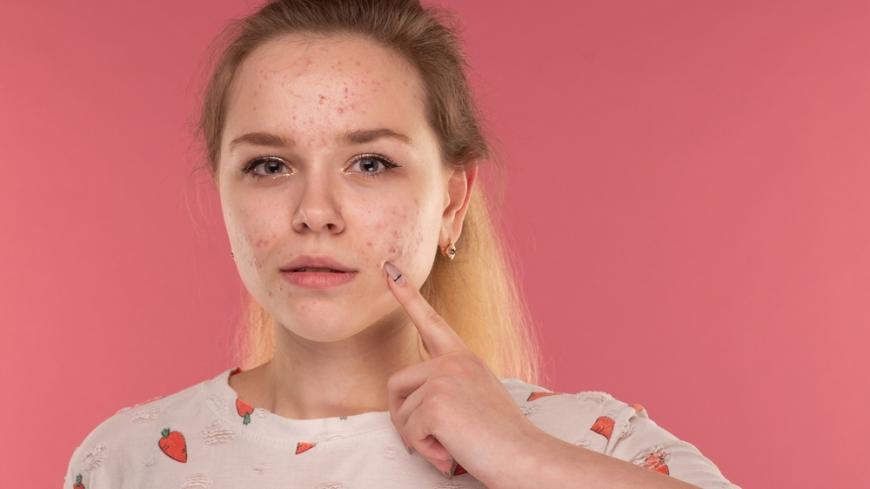
Forehead acne is one of the most common skin concerns affecting people of all ages, from teenagers to adults. These breakouts can be frustrating, especially when they appear repeatedly or don’t respond to basic skincare routines. If you’ve ever wondered what is forehead acne and why it happens, this detailed guide can give you a deeper understanding:
In this article, we’ll explore the main causes of forehead acne, the different types of pimples you might notice, and the most effective ways to treat and prevent them.
What Is Forehead Acne?
Forehead acne refers to pimples, blackheads, whiteheads, or cystic breakouts that develop on the forehead. It is part of the T-zone (forehead, nose, and chin), which tends to produce more oil than other areas of the face.
Because of increased oil production and exposure to environmental factors, the forehead is especially prone to clogged pores and acne formation.
Why Do Pimples Appear on the Forehead?
Forehead acne occurs when hair follicles become clogged with oil (sebum), dead skin cells, and bacteria. Several factors contribute to this process.
1. Excess Oil Production
The forehead has a high concentration of sebaceous (oil) glands. When these glands produce too much oil, it can mix with dead skin cells and clog pores, leading to pimples.
2. Hormonal Changes
Hormonal fluctuations are one of the leading causes of acne, especially:
-
During puberty
-
Menstrual cycles
-
Pregnancy
-
Stress-related hormonal shifts
Hormones like androgens can increase oil production, making the forehead more prone to breakouts.
3. Poor Hair Hygiene and Hair Products
Hair products such as oils, gels, sprays, and conditioners can transfer onto the forehead and clog pores. This type of acne is often called pomade acne.
Additionally, infrequent hair washing can allow oil and dirt to accumulate, contributing to breakouts.
4. Sweat and Friction
Sweating, especially when combined with friction from hats, helmets, or headbands, can trap bacteria and oil on the skin.
This is common in:
-
Athletes
-
People who wear head coverings
-
Individuals in hot or humid environments
5. Stress
Stress triggers the release of hormones that can increase oil production and inflammation, worsening acne.
6. Diet and Lifestyle Factors
Certain dietary habits may contribute to acne in some individuals:
-
High sugar intake
-
Processed foods
-
Dairy products (in some cases)
Lack of sleep and dehydration can also affect skin health
7. Poor Skincare Routine
Using the wrong skincare products or skipping cleansing can lead to clogged pores. Common mistakes include:
-
Not removing makeup properly
-
Using heavy or comedogenic products
-
Over-exfoliating, which can irritate the skin
Types of Forehead Acne
Not all pimples are the same. Understanding the type of acne you have can help determine the best treatment.
1. Whiteheads
-
Closed clogged pores
-
Small, flesh-colored bumps
2. Blackheads
-
Open clogged pores
-
Dark appearance due to oxidation
3. Papules and Pustules
-
Red, inflamed bumps
-
May contain pus
4. Cystic Acne
-
Deep, painful lumps
-
Often require medical treatment
How to Treat Forehead Acne
Effective treatment depends on the severity and cause of the acne.
1. Maintain a Proper Skincare Routine
-
Cleanse your face twice daily
-
Use non-comedogenic (non-pore-clogging) products
-
Exfoliate gently to remove dead skin cells
-
Apply oil-free moisturizers
Consistency is key to seeing results.
2. Use Over-the-Counter Treatments
Common ingredients that help treat acne include:
-
Salicylic acid
-
Benzoyl peroxide
-
Retinoids
These ingredients help unclog pores, reduce bacteria, and prevent new breakouts.
3. Manage Hair and Scalp Care
-
Keep hair clean and away from the forehead
-
Avoid heavy or oily hair products
-
Wash off any product residue that touches your skin
4. Reduce Stress
Incorporate stress-management techniques such as:
-
Exercise
-
Meditation
-
Adequate sleep
Reducing stress can help regulate hormone levels and improve skin health.
5. Maintain a Healthy Diet
Focus on:
-
Whole foods
-
Fruits and vegetables
-
Adequate hydration
While diet alone may not cause acne, it can influence overall skin health.
6. Seek Professional Treatment
If acne is persistent or severe, a dermatologist may recommend:
-
Prescription medications
-
Chemical peels
-
Laser therapy
-
Hormonal treatments
Professional care can provide faster and more effective results.
Preventing Forehead Acne
Prevention is just as important as treatment. Here are some simple steps to keep your skin clear:
-
Wash your face regularly
-
Avoid touching your forehead frequently
-
Clean items that come into contact with your face (e.g., pillowcases, hats)
-
Use lightweight, oil-free products
-
Maintain good hygiene
Small daily habits can make a big difference over time.
When to See a Doctor
You should consider medical advice if:
-
Acne is severe or painful
-
Over-the-counter treatments are not working
-
Breakouts leave scars
-
Acne is affecting your confidence or mental health
Early treatment can prevent long-term skin damage.
Advances in Acne Treatment
Medical research continues to improve acne treatments, offering new solutions that target the root causes more effectively. From advanced topical therapies to innovative procedures, patients now have more options than ever before.
Clinical trials are playing a key role in these advancements, helping to develop safer and more effective treatments.
Final Thoughts
Forehead acne is a common but manageable skin condition caused by a combination of factors such as excess oil, hormones, stress, and external irritants. Understanding why pimples appear on the forehead is the first step toward effective treatment and prevention.
With the right skincare routine, lifestyle adjustments, and professional guidance when needed, most people can achieve clearer, healthier skin.
If you are exploring advanced treatment options or looking for innovative solutions, you may also consider opportunities to join acne clinical trials Boston MA, which provide access to cutting-edge therapies while contributing to ongoing research in skincare and dermatology.