Why Data Centers Are Turning to Renewable Power Solutions
 sawroopram512
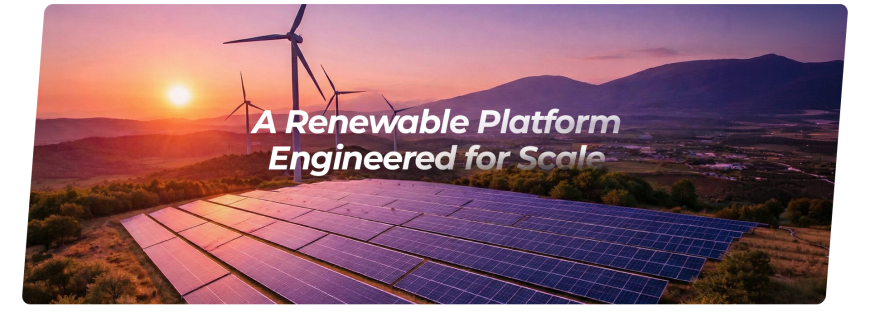
Data centers have become the backbone of the digital economy, supporting cloud computing, artificial intelligence, online communication, and large-scale data storage. As digital demand continues to rise, energy consumption within these facilities has increased significantly. To address environmental concerns and long-term operational costs, many operators are shifting toward cleaner energy alternatives. The growing adoption of renewable energy for data centers reflects a broader commitment to sustainability, efficiency, and energy security. At the same time, advanced green power solutions are helping data centers maintain reliable performance while reducing carbon emissions and supporting long-term environmental goals.
The Rising Energy Demand of Data Centers
Modern businesses rely heavily on digital infrastructure, making data centers critical to global economic operations. From financial systems and healthcare records to streaming services and artificial intelligence applications, nearly every digital process depends on continuous data processing and storage.
This rapid expansion has dramatically increased electricity demand. Data centers require constant power for servers, networking equipment, cooling systems, and backup infrastructure. As digital traffic grows, energy requirements continue to rise at an unprecedented rate.
Traditional power sources are becoming less sustainable for facilities operating around the clock. Increasing operational expenses, environmental regulations, and climate concerns are encouraging operators to explore alternative energy strategies. As a result, renewable energy for data centers is becoming an essential component of future infrastructure planning.
Renewable technologies provide a cleaner and more stable approach to supporting the growing demands of digital operations while helping companies reduce environmental impact.
Why Sustainability Has Become a Priority
Sustainability is no longer viewed as a secondary corporate initiative. For many organizations, environmental responsibility has become a critical business objective tied to long-term operational resilience and brand reputation.
Data centers consume substantial amounts of electricity and generate significant heat, contributing to higher carbon emissions when powered by conventional energy sources. Companies are under increasing pressure from investors, customers, and regulators to improve sustainability performance and reduce environmental impact.
The implementation of green power solutions allows data center operators to align with global sustainability goals while maintaining high operational standards. Renewable power systems support cleaner energy generation and help organizations meet carbon reduction targets.
Sustainability efforts also improve public trust and investor confidence. Businesses that adopt renewable infrastructure are often viewed as more future-focused, environmentally responsible, and adaptable to evolving market expectations.
Renewable Energy Improves Long-Term Cost Efficiency
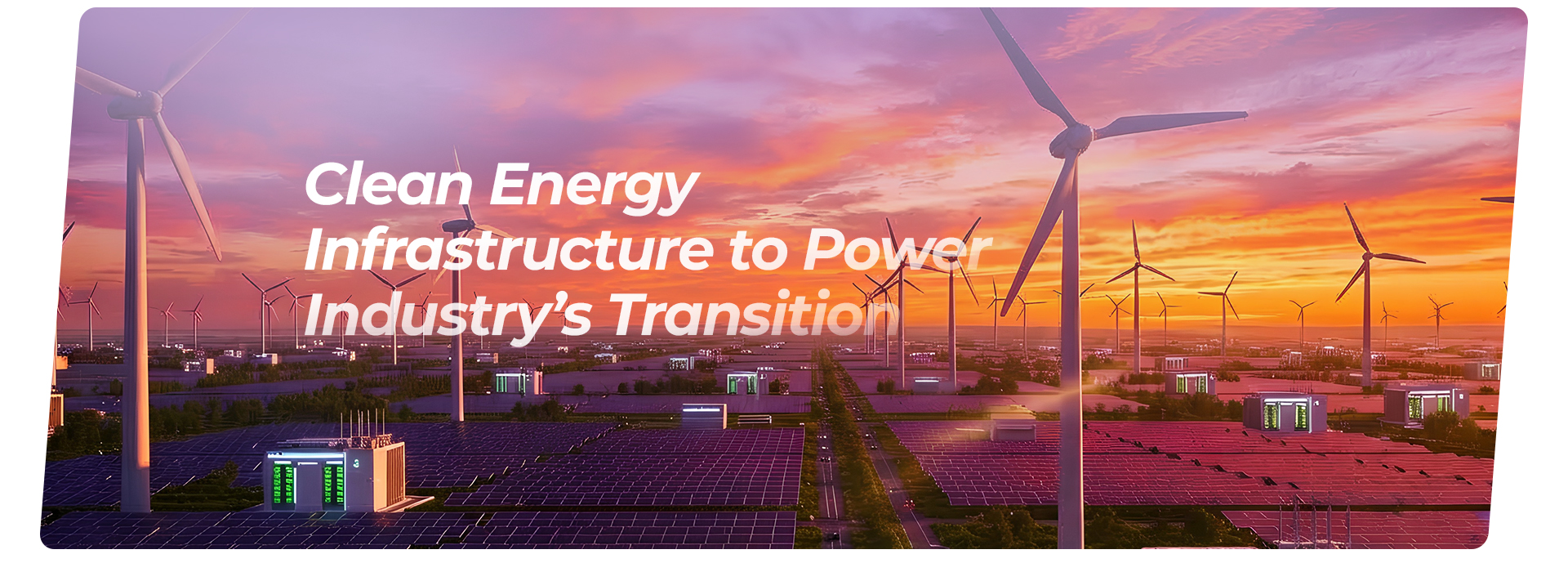
One of the strongest reasons data centers are adopting renewable energy is the potential for long-term cost savings. While renewable infrastructure may involve significant upfront investment, operational costs are often lower over time compared to traditional power systems.
Energy prices from conventional sources can fluctuate due to fuel availability, geopolitical factors, and supply chain disruptions. Renewable systems offer more predictable operating costs, improving financial planning and long-term budget stability.
The adoption of renewable energy for data centers also reduces dependence on centralized power grids and expensive backup energy systems. Facilities with integrated renewable infrastructure can improve energy independence while minimizing exposure to market volatility.
Advanced battery storage systems further enhance operational efficiency by storing excess renewable power for later use. This capability helps maintain stable energy supply during peak demand periods or grid disruptions.
Advanced Technologies Supporting Clean Power
Technological innovation is playing a major role in accelerating renewable energy adoption within the data center industry. Smart energy management systems, artificial intelligence, and predictive analytics are helping facilities optimize energy use more efficiently than ever before.
Modern green power solutions often combine solar, wind, battery storage, and intelligent energy distribution technologies. These integrated systems provide greater flexibility and reliability for high-demand digital environments.
Cooling technologies are also evolving rapidly. Traditional cooling systems consume large amounts of electricity, but newer solutions use advanced airflow management, liquid cooling, and energy-efficient infrastructure to reduce power consumption significantly.
Automation tools monitor equipment performance, temperature levels, and energy usage in real time. This allows operators to identify inefficiencies quickly and improve overall operational reliability while minimizing energy waste.
Renewable Energy and Energy Security
Reliable energy supply is essential for data center operations. Even short disruptions can affect critical digital services, financial systems, and communication networks. Renewable energy systems are helping improve energy resilience and operational continuity.
Distributed renewable infrastructure reduces reliance on a single energy source or centralized grid system. Facilities with renewable capabilities can maintain operations more effectively during power outages or supply disruptions.
The growing use of renewable energy for data centers is also contributing to stronger energy diversification strategies. By combining multiple renewable sources with storage systems, operators can create more stable and adaptable energy frameworks.
This approach is especially important as data centers continue expanding into regions where grid infrastructure may face increasing pressure from population growth and industrial development.
Environmental Impact and Climate Responsibility
The technology industry plays a major role in shaping global sustainability efforts. As digital infrastructure expands, reducing environmental impact has become a critical priority for the sector.
Data centers powered by conventional fossil fuels contribute significantly to greenhouse gas emissions. Transitioning toward cleaner energy systems helps reduce pollution and supports broader climate objectives.
The implementation of green power solutions allows operators to reduce carbon footprints while maintaining high-performance computing environments. Renewable energy also supports cleaner air quality and more responsible resource management.
Governments and environmental organizations are encouraging industries to adopt low-carbon technologies through regulations, incentives, and sustainability initiatives. Data centers that invest in renewable infrastructure are better positioned to adapt to future environmental standards and energy policies.
Challenges in Renewable Integration
Despite strong momentum, renewable energy integration still presents several operational and technical challenges for data centers. Renewable generation can fluctuate depending on weather conditions, requiring advanced storage systems and smart grid coordination.
Infrastructure upgrades may also involve significant planning, investment, and technical expertise. Existing facilities must often redesign power distribution systems to support renewable integration effectively.
However, ongoing innovation continues to improve renewable reliability and scalability. Advanced storage technologies, predictive forecasting systems, and hybrid energy models are helping overcome many of these challenges.
The increasing focus on renewable energy for data centers demonstrates that operators are committed to finding long-term solutions that balance performance, sustainability, and operational reliability.
The Future of Sustainable Data Infrastructure
The future of data centers will likely depend heavily on renewable energy adoption and energy-efficient design. As digital services continue expanding globally, sustainable infrastructure will become essential for supporting long-term technological growth.
Emerging technologies such as artificial intelligence, edge computing, and high-performance cloud systems will require even greater energy capacity in the coming years. Renewable energy systems offer a scalable solution capable of supporting this increasing demand responsibly.
The continued advancement of green power solutions will help data centers improve operational resilience, reduce environmental impact, and strengthen long-term energy security. Sustainable digital infrastructure is expected to become a defining feature of the next generation of global technology development.
Conclusion
Data centers are rapidly transitioning toward renewable energy as the demand for sustainable, reliable, and cost-efficient digital infrastructure continues to grow. The increasing adoption of renewable energy for data centers reflects the industry’s focus on reducing environmental impact while maintaining uninterrupted operational performance. At the same time, advanced green power solutions are enabling facilities to improve energy efficiency, strengthen resilience, and support long-term climate goals. Resolven represents this evolving approach by building renewable energy infrastructure designed to scale responsibly, maintain high operational standards, and deliver dependable long-term performance throughout the ongoing energy transition.