Why Custom ADA Signs Matter for Modern Commercial Spaces
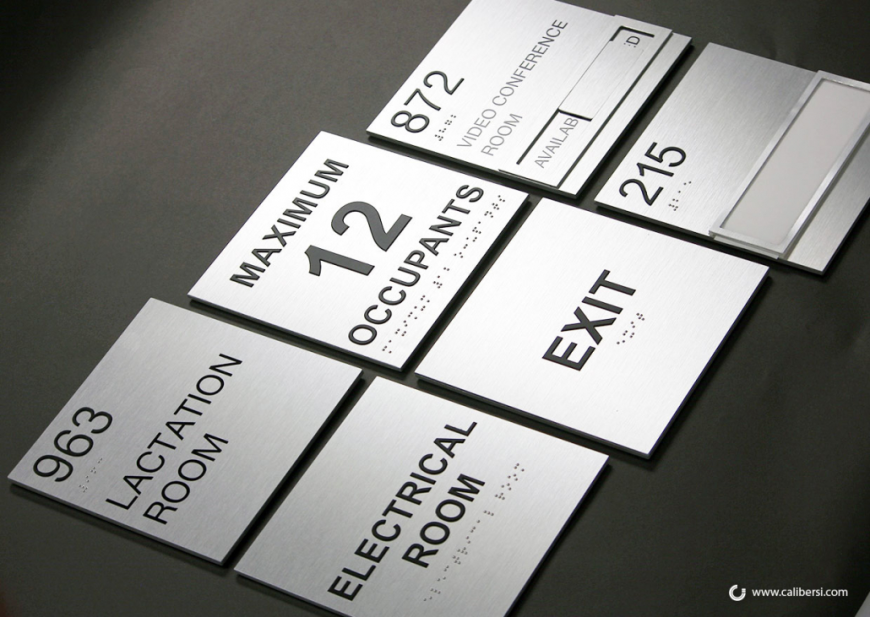
ADA Braille signs are required for designated permanent rooms and spaces that have access to the public, such as restrooms, service rooms, room numbers, evacuation exit routes, etc.
 calibersignsca
Modern commercial spaces are evolving rapidly. From corporate offices and retail environments to healthcare facilities and mixed-use developments, businesses are placing greater emphasis on accessibility, compliance, and inclusive design. One critical but often overlooked element that supports all three is custom ADA signage.
Custom ADA signs are more than a legal requirement — they are an essential component of user-friendly, inclusive environments. They help ensure accessibility for individuals with disabilities while reinforcing professionalism and brand integrity.
In this article, we’ll explore why custom ADA signs matter in today’s commercial environments and how they contribute to compliance, usability, and brand perception.
What Are Custom ADA Signs?
Custom ADA signs are signage designed to meet accessibility standards established under the Americans with Disabilities Act (ADA). These signs are created to ensure that individuals with visual or physical impairments can safely and independently navigate a space.
Common features of ADA-compliant signs include:
-
Tactile (raised) lettering
-
Braille translation
-
High-contrast color schemes
-
Non-glare finishes
-
Standardized mounting heights
Custom ADA signs go a step further by combining compliance with branding, architectural aesthetics, and functionality.
The Importance of Accessibility in Modern Commercial Spaces
Accessibility is no longer optional — it’s a fundamental expectation. Customers, employees, and visitors expect environments that are easy to navigate regardless of physical ability.
Inclusive spaces provide:
-
Equal access to services
-
Safer navigation
-
Improved user confidence
-
Stronger brand reputation
Businesses that prioritize accessibility demonstrate social responsibility and customer awareness, both of which are highly valued in today’s market.
ADA Compliance: Avoiding Legal and Financial Risks
One of the most immediate reasons custom ADA signs matter is legal compliance. Commercial properties are required to follow ADA guidelines, and improper signage can expose businesses to:
-
Fines and penalties
-
Lawsuits
-
Costly retrofits
-
Project delays
Investing in properly designed custom ADA signage helps mitigate these risks by ensuring compliance from the start. It’s far more cost-effective to install compliant signage upfront than to correct violations later.
Enhancing Wayfinding and User Experience
Clear navigation is essential in any commercial space, especially larger or complex facilities. ADA signage plays a key role in wayfinding by providing standardized, accessible information.
Custom ADA signs improve:
-
Navigation in offices and campuses
-
Restroom identification
-
Emergency exit awareness
-
Departmental labeling
-
Room identification
When users can easily find their way, it reduces frustration and creates a more welcoming environment.
Supporting Inclusive Design Principles
Modern architecture increasingly embraces inclusive design — the idea that environments should be usable by everyone, regardless of ability.
Custom ADA signs contribute by:
-
Providing tactile feedback for visually impaired users
-
Offering consistent visual cues
-
Supporting universal design strategies
-
Enhancing spatial clarity
Rather than treating accessibility as an afterthought, custom signage integrates inclusivity into the core design language of a space.
Strengthening Brand Perception
Accessibility and professionalism go hand in hand. Poor or generic signage can undermine even the most well-designed interior spaces.
Custom ADA signs allow businesses to:
-
Maintain brand consistency
-
Match interior design aesthetics
-
Use brand colors compliantly
-
Reinforce a polished image
When signage aligns with branding while meeting compliance standards, it sends a strong message about attention to detail and care for users.
Customization Without Compromising Compliance
One common misconception is that ADA signage must be generic or unattractive. In reality, modern fabrication techniques allow extensive customization while maintaining compliance.
Custom ADA signs can include:
-
Branded color palettes (within contrast rules)
-
Unique materials like acrylic, metal, or photopolymer
-
Architectural finishes
-
Custom typography that meets ADA guidelines
-
Integrated wayfinding systems
This balance ensures your signage is both functional and visually cohesive.
Ideal Applications for Custom ADA Signs
Custom ADA signs are essential across a wide range of commercial environments, including:
-
Corporate offices
-
Hospitals and clinics
-
Hotels and hospitality spaces
-
Educational institutions
-
Retail stores
-
Government buildings
-
Mixed-use developments
Any space open to the public or employees benefits from clear, compliant signage.
Improving Safety and Emergency Preparedness
Beyond navigation and compliance, ADA signage plays a crucial role in safety. Clear identification of exits, stairwells, and emergency routes is vital during urgent situations.
Accessible signage ensures:
-
Faster evacuation
-
Reduced confusion
-
Equal access to safety information
-
Compliance with building codes
In emergencies, clarity can save lives — making proper signage a critical investment.
Long-Term Value and Durability
Custom ADA signs are designed for longevity. High-quality materials and fabrication methods ensure they remain readable and compliant for years.
Benefits of durable signage include:
-
Lower replacement costs
-
Reduced maintenance
-
Consistent compliance over time
-
Long-term ROI
When installed properly, custom ADA signs become a lasting asset rather than a recurring expense.
Supporting Facility Management and Scalability
For property managers and facility planners, standardized ADA signage simplifies long-term operations.
Custom systems make it easier to:
-
Add new rooms or departments
-
Maintain signage consistency
-
Update branding across locations
-
Ensure compliance across multiple properties
This scalability is especially valuable for growing businesses or multi-location organizations.
The Competitive Advantage of Accessibility
Accessibility is increasingly tied to brand perception and customer loyalty. Businesses that invest in inclusive environments often gain a competitive edge.
Consumers and employees are more likely to trust and support organizations that:
-
Prioritize accessibility
-
Demonstrate inclusivity
-
Provide seamless experiences
Custom ADA signage is a small detail that contributes significantly to this larger perception.
Common Mistakes to Avoid
To maximize the value of custom ADA signs, avoid these common pitfalls:
-
Using non-compliant fonts or spacing
-
Ignoring proper mounting heights
-
Choosing low-contrast color combinations
-
Skipping Braille requirements
-
Hiring inexperienced fabricators
Working with knowledgeable signage professionals ensures both compliance and quality.
Final Thoughts
Custom ADA signs are a foundational element of modern commercial spaces. They support legal compliance, enhance accessibility, improve navigation, and reinforce brand professionalism — all while contributing to safer, more inclusive environments.
As expectations around accessibility continue to grow, businesses that invest in well-designed, compliant signage position themselves as forward-thinking and responsible.
In today’s landscape, custom ADA signage isn’t just about meeting regulations — it’s about creating spaces where everyone feels welcome, confident, and empowered to navigate independently.
Frequently Asked Questions (FAQs)
1. Are custom ADA signs required for all businesses?
Most commercial spaces open to the public or employees must comply with ADA signage requirements. This includes offices, retail stores, healthcare facilities, and public buildings.
2. Can ADA signs still match my brand design?
Yes. Custom ADA signs can be designed to align with your brand colors, materials, and style while still meeting compliance standards like contrast, tactile lettering, and Braille.
3. What makes a sign ADA compliant?
ADA-compliant signs typically include raised characters, Grade 2 Braille, proper contrast ratios, non-glare finishes, and specific mounting guidelines.
4. Where should ADA signs be installed?
Common locations include restrooms, exits, stairwells, room identification areas, elevators, and directional wayfinding points throughout a facility.
5. How long do custom ADA signs last?
High-quality ADA signs made from durable materials can last many years with minimal maintenance, making them a long-term investment.
6. Do ADA signs only benefit people with disabilities?
No. While designed for accessibility, ADA signage improves navigation, clarity, and safety for everyone, including first-time visitors and large facilities.
7. Should I hire a professional for ADA signage?
Yes. ADA regulations can be complex, and working with experienced signage professionals helps ensure compliance, durability, and proper installation.