What Does ADHD Look Like in Women?
ADHD in women often shows as inattention, mood swings, anxiety, and overwhelm. Learn key signs, challenges, and when to seek support.
 renewedgroup
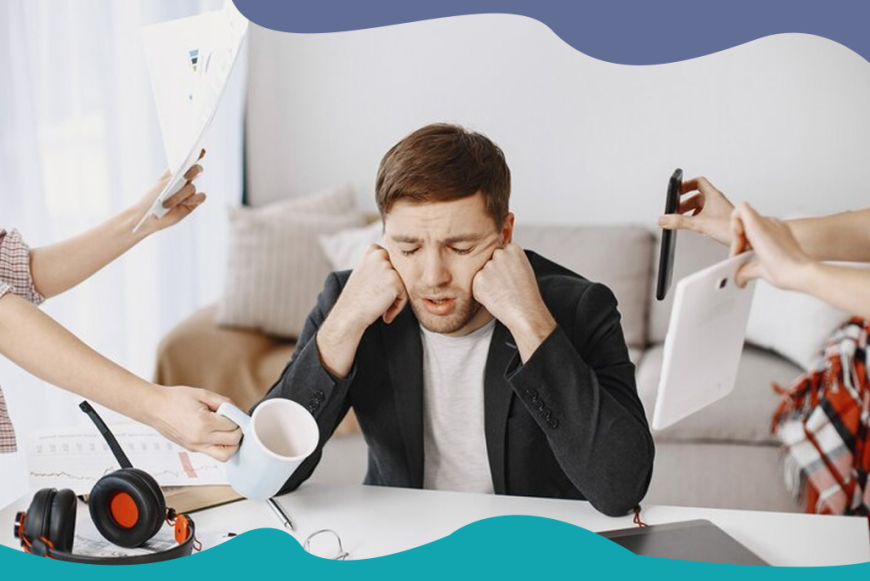
Many women spend years feeling overwhelmed, emotionally exhausted, disorganized, or “not good enough” despite trying their best. They may blame themselves for missed deadlines, unfinished tasks, mood swings, or struggling relationships. But sometimes, the real reason behind this constant burnout is undiagnosed ADHD.
Attention-Deficit/Hyperactivity Disorder (ADHD) in women often goes unnoticed because the symptoms look different than they do in men. Instead of being openly hyperactive, many women experience internal restlessness, emotional sensitivity, and chronic mental overload. These subtle signs are often mislabeled as anxiety, depression, hormonal mood changes, or personality flaws.
In this article, you will learn about the symptoms of ADHD in women, why it is frequently misdiagnosed, and how it can be properly diagnosed and treated.
What Are the Symptoms of ADHD in Women?
ADHD is a neurodevelopmental condition that affects focus, organization, emotional regulation, and impulse control. It can interfere with daily functioning, work performance, and personal relationships. In women, symptoms are often more inattentive and internal rather than visibly hyperactive, which makes them harder to detect.
1. Excessive Daydreaming and Inattention
Many women with ADHD are described as “quiet,” “shy,” or “spacey.” They may drift off during conversations, lose track of tasks, or struggle to stay present. Unlike the stereotypical hyperactive child, these women may sit calmly but feel mentally scattered inside. This often leads to forgetfulness, missed deadlines, and unfinished projects.
2. Hormonal Sensitivity
Hormonal changes can significantly affect ADHD symptoms. During the menstrual cycle, pregnancy, or menopause, women may experience increased mood swings, irritability, brain fog, or difficulty concentrating. These fluctuations can intensify existing ADHD challenges and make daily life feel even more overwhelming.
3. Difficulty in Social Situations
Women with ADHD may struggle in social gatherings. They might find it hard to follow conversations, especially if the topic does not capture their interest. Low self-esteem and fear of saying the “wrong thing” can make starting conversations stressful. As a result, they may avoid social events or feel lonely even when surrounded by people.
4. Mental Clutter and Constant Fatigue
Many women describe ADHD as having a “noisy mind.” Thoughts race, responsibilities pile up, and prioritizing tasks feels impossible. Even if they appear calm on the outside, their mind may feel chaotic. This internal hyperactivity leads to emotional exhaustion and burnout.
5. Emotional Intensity
Emotional regulation can be especially challenging. Women with ADHD often feel emotions more deeply and intensely. Small setbacks may trigger strong reactions, leading to mood swings. Because of this emotional sensitivity, ADHD is often misdiagnosed as anxiety or depression.
6. Physical Health Challenges
ADHD can also impact physical well-being. Women may forget doctor appointments, skip medications, struggle with maintaining routines, or neglect self-care. Disorganization can affect sleep patterns, eating habits, and overall health.
7. Relationship Struggles
Maintaining healthy relationships can be difficult. Women with ADHD may seem distracted during important conversations or forget significant dates and commitments. Impulsivity may cause them to speak without thinking, leading to misunderstandings. Over time, this can strain friendships, romantic relationships, and workplace dynamics.
8. Impulsivity and Limerence
Impulsivity does not always look dramatic. It may show up as impulsive shopping, emotional decisions, interrupting others, or quickly entering relationships. Some women experience an intense emotional attachment or infatuation because they feel emotions so strongly. Financial problems and unstable relationships may result from these impulsive patterns.
9. Rejection Sensitive Dysphoria (RSD)
Many women with ADHD struggle with a deep fear of rejection. Even mild criticism can feel extremely painful. This may lead to self-doubt, people-pleasing behaviors, or avoiding situations where they might be judged. Over time, it can significantly affect confidence and self-worth.
10. Sensory Sensitivity
Women with ADHD may feel overwhelmed by loud noises, bright lights, strong smells, or tight clothing. Sensory overload can quickly impact mood and focus, increasing irritability and stress.
How Does ADHD Present Differently in Women Compared to Men?
ADHD symptoms often appear differently across genders.
|
ADHD in Women |
ADHD in Men |
|
Symptoms often become more noticeable in adulthood |
Symptoms are usually noticeable in childhood |
|
More inattentive symptoms |
More hyperactive and impulsive behaviors |
|
Frequently misdiagnosed as anxiety or depression |
Diagnosed earlier due to visible behaviors |
|
Higher rates of low self-esteem and internalized distress |
More disruptive or aggressive behavior |
Because girls are often expected to be quiet and organized, many learn to mask their symptoms. They may overwork, become perfectionists, or people-please to hide their struggles. This masking delays diagnosis until adulthood.
How Is ADHD Diagnosed in Women?
There is no single medical test to confirm ADHD. Diagnosis is done by a qualified mental health professional through a comprehensive evaluation. This typically includes:
-
Reviewing medical and family history
-
Discussing childhood behavior patterns
-
Using structured questionnaires
-
Evaluating current symptoms and daily functioning
Since ADHD begins in childhood, providers may ask about school performance, early behavior patterns, or speak with family members who knew you growing up.
If you constantly feel overwhelmed, disorganized, emotionally drained, or unable to manage daily responsibilities, seeking professional guidance can bring clarity and relief.
What Treatments Are Available for ADHD in Women?
Effective treatment often involves a combination of medication and psychotherapy. The treatment plan depends on symptom severity and individual needs.
Medications
-
Stimulants
-
Non-stimulants
-
Antidepressants (when anxiety or depression co-occur)
Medication should always be taken under professional supervision, as side effects and correct dosage must be carefully monitored.
Psychotherapies for ADHD
Therapy plays a crucial role in managing ADHD symptoms and improving emotional regulation.
1. Cognitive Behavioral Therapy (CBT)
Cognitive Behavioral Therapy (CBT) is an evidence-based approach that helps individuals understand the connection between thoughts, emotions, and behaviors. It helps women identify negative thinking patterns and replace them with healthier coping strategies. CBT is particularly helpful for managing anxiety, procrastination, and low self-esteem.
2. Dialectical Behavior Therapy (DBT)
Dialectical Behavior Therapy (DBT) is a specialized form of CBT that focuses on emotional regulation and distress tolerance. It teaches practical skills for managing intense emotions while encouraging self-acceptance. DBT is especially beneficial for women who struggle with emotional overwhelm and impulsivity.
3. Group Therapy
Group therapy provides a safe and supportive environment where women can share experiences and learn from others facing similar challenges. It reduces feelings of isolation and builds coping skills, confidence, and resilience. Structured group sessions guided by a trained therapist can be highly empowering.
Let Renewed Mental Health Group Support You
If you constantly feel disorganized, emotionally overwhelmed, or mentally exhausted, it may not be a personal weakness it could be ADHD. At Renewed Mental Health Group, our experienced professionals provide compassionate, individualized care for women struggling with ADHD and other mental health concerns.
Our holistic and client-centered approach focuses on long-term healing, emotional balance, and practical coping strategies. You do not have to navigate this journey alone.
Book your consultation today and take the first step toward clarity and confidence.
In a Nutshell
ADHD is a lifelong neurodevelopmental condition that often begins in childhood but may remain undiagnosed in women for years. Because symptoms are internal, subtle, and frequently masked, many women are misdiagnosed with anxiety or depression.
Common symptoms include inattentiveness, emotional sensitivity, rejection sensitivity, impulsivity, social challenges, hormonal mood shifts, sensory sensitivity, and difficulty managing responsibilities.
With proper diagnosis and a personalized treatment plan that may include medication, CBT, DBT, or group therapy, women with ADHD can gain better control over their lives.
Understanding ADHD is not about labeling yourself, it is about gaining insight, self-compassion, and the right support to thrive.