Why Choose a Hirschmann Solenoid Valve Connector?
 jackzkr317
What Makes Reliable Valve Connectivity So Important?
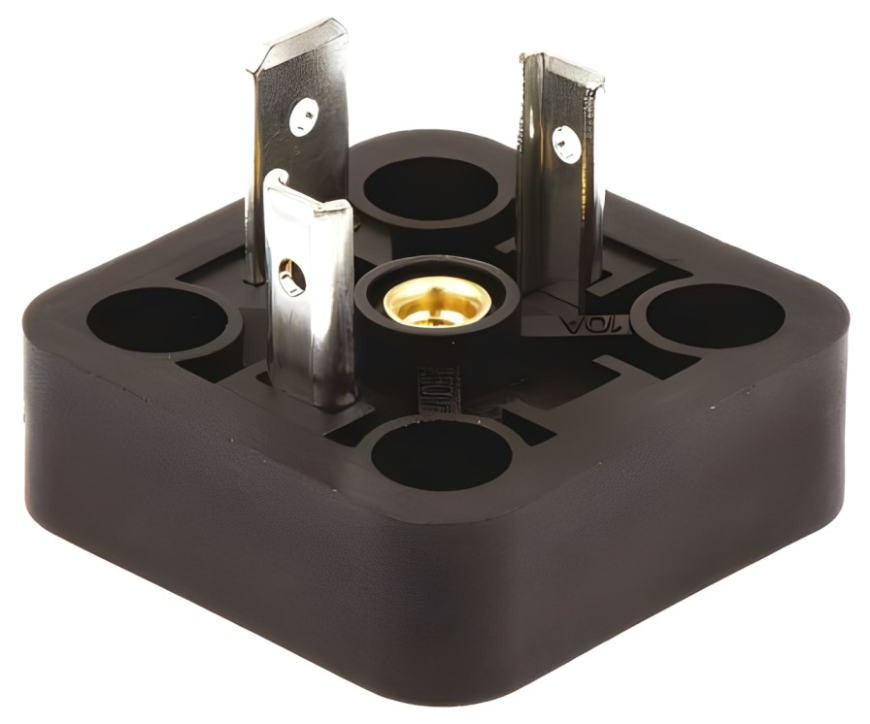
Reliable electrical connections are essential when automated valves must operate repeatedly and accurately. Within these installations, a Hirschmann Solenoid Valve Connector provides a practical interface between control wiring and the electrical coil or compatible field device, helping create a secure and serviceable connection.
Belden's Hirschmann valve connector portfolio includes Type A, Type B, and Type C designs, with field-attachable connectors, prewired cordsets, different protective circuits, and cable options available for industrial applications.
How Does the Connector Work With a Solenoid Coil?
A solenoid valve coil creates the electromagnetic force required to operate the valve. The connector supplies the electrical path between the control circuit and that coil.
Different Solenoid Valve Coils are available for AC and DC systems with varying voltage, power, size, and environmental requirements. The connector and coil therefore need to be electrically and mechanically compatible.
Correct matching is important because the connector is not simply a universal plug. Voltage, current, contact arrangement, protective earth, and connector form should all be checked.
Which Hirschmann Connector Form Should You Choose?
Hirschmann divides its valve connector portfolio into Type A, Type B, and Type C families.
Type A products include Hirschmann GDM and GAN series connectors designed for hydraulic, pneumatic, electromagnetic actuator, and sensor applications. Belden describes these products as rugged solutions for demanding industrial environments.
Type C products provide a more space-saving rectangular design where equipment dimensions are limited.
Before selecting a connector, verify:
- Valve or coil interface
- Form A, B, or C
- Contact spacing
- Number of contacts
- Protective-earth arrangement
- Cable-entry direction
- Required operating voltage
What Is a Field-Attachable Hirschmann Connector?
Field-attachable connectors allow technicians to terminate the cable directly during machine installation or maintenance instead of relying on a predetermined cable length.
For example, Hirschmann GMN 209 NJ is an active Type B product with a 90-degree angled body, 2 contacts plus protective earth, screw terminals, and a PG9 cable gland. Belden specifies it for cables from 4.5 to 7 mm diameter and conductor cross-sections from 0.25 to 1.5 mm².
Suitable Bootlace Ferrules can help prepare stranded conductors for compatible screw-terminal connections by keeping wire strands together and creating a neat termination.
Always follow the connector manufacturer's conductor preparation and terminal requirements.
Why Are Solenoid Valve Accessories Important?
A connector normally operates as part of a larger valve assembly rather than as an isolated component.
The Solenoid Valve Accessories range includes electrical connectors, mounting components, coils, and related products used to support solenoid valve installation and maintenance. EnrgTech currently lists multiple populated product options within this category.
When replacing one part of an existing assembly, technicians should confirm compatibility with the valve manufacturer and exact model.
Can Hirschmann Connectors Be Supplied With Cables?
Yes. Hirschmann and Lumberg Automation offer prewired valve connector cordsets as well as field-attachable versions. Belden highlights prewired cordsets as one way to simplify installation.
For wider machine wiring, Industrial Automation Cable Assemblies provide preassembled connectivity for sensors, actuators, controls, and automation equipment. EnrgTech currently lists more than 2,000 products in this category.
Preassembled cables can be particularly useful where repeatable installation and reduced field wiring are priorities.
Why Does IP Protection Matter?
Industrial valve connectors may be exposed to dust, moisture, oils, cleaning operations, or machine vibration. Environmental sealing therefore matters.
The Hirschmann GMN 209 NJ Type B connector is rated IP65 when correctly mounted and locked in the specified connector combination. Belden also states that the connector should not be connected or disconnected while under load.
An IP rating should always be interpreted for the complete assembled connection. A loose central screw, damaged gasket, incorrect cable diameter, or poor installation can compromise protection.
What Electrical Ratings Should You Check?
Never select a valve connector purely because it physically fits.
The GMN 209 NJ example is rated at 250 V AC/DC and 16 A, but other Hirschmann products have substantially different ratings. For example, selected Type A and Type C cordsets are designed for 24 V and 4 A applications.
Check:
- AC or DC operation
- Rated voltage
- Operating voltage
- Current rating
- Coil power
- Protective circuit
- Contact configuration
- Cable conductor size
These values must match the complete valve-control circuit.
Can Hirschmann Valve Connectors Include LEDs?
Selected models can include an LED to indicate electrical status.
Belden's portfolio includes valve cordsets with integrated LED indication and protective components such as varistors or recovery diodes. A Type A example combines a 24 V connector interface, yellow LED, and recovery diode.
Visual indication can make troubleshooting faster because technicians can determine whether an electrical command is reaching the connector before investigating the valve itself.
Where Do Sensor Connections Fit Into the System?
Hirschmann valve connectors are not restricted exclusively to solenoid valves. Belden states that its valve connector portfolio can also connect pressure, temperature, and flow-monitoring devices.
Suitable Pressure Sensors, Transducers - Industrial are used to convert pressure conditions into electrical outputs for monitoring and control systems. EnrgTech currently lists a large populated industrial pressure-sensor range.
This makes compatible industrial connectivity important across both actuation and measurement equipment.
How Can Sensor and Actuator Wiring Be Organised?
Modern automation systems often contain many valves, sensors, switches, and actuators positioned around the same machine.
The Sensor & Switch Cables & Connectors category provides connectivity products for transferring power and signals between industrial devices. EnrgTech currently lists more than 1,000 products in this populated category.
For preassembled connections, Sensor Cable - Assemblies offer another option for connecting sensors and actuators into automation systems.
What Should You Check During Maintenance?
Valve connectors should be inspected whenever intermittent switching, unexplained valve behaviour, or environmental damage is suspected.
Look for:
- Loose central screws
- Damaged seals
- Corroded contacts
- Loose terminal wiring
- Cracked housings
- Cable strain
- Moisture ingress
- Incorrect LED behaviour
- Damaged cable glands
- Signs of overheating
Power should be safely isolated before opening or servicing electrical connections.
Why Select the Correct Hirschmann Solenoid Valve Connector?
Choosing the correct Hirschmann Solenoid Valve Connector helps create a dependable electrical connection between industrial control wiring and compatible valves, actuators, or monitoring devices.
Hirschmann offers multiple connector forms, field-attachable designs, cordsets, electrical ratings, LED options, and protective circuits.
The best choice comes from matching the exact connector standard, voltage, current, termination method, environmental protection, cable size, and circuit requirements to the equipment being connected. Careful selection can simplify installation, support troubleshooting, and improve the reliability of automated valve systems.