Why Choose a Bahco Torque Wrench for Accuracy?
 jackzkr317
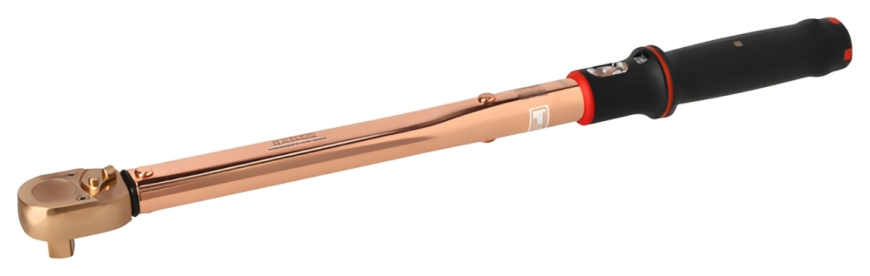
Bahco Torque Wrench
A Bahco Torque Wrench helps you tighten fasteners to a defined torque so parts clamp correctly without damage. This matters in automotive servicing, general maintenance, and electronics assembly where small connectors, sensors, and housings can fail if you overtighten.
What torque control really protects
Torque is a turning force, but the result you want is correct clamp load. Too little torque can allow loosening, leaks, and vibration. Too much torque can stretch threads, crack castings, and crush seals.
Accuracy becomes even more important when assemblies mix materials. Aluminium, plastic, and thin sheet metal can deform easily. In electronics, correct tightening can also support stable thermal contact across heatsinks and thermal pads, which helps sensitive components run cooler.
Typical jobs where precision matters
-
Wheel lugs, brake hardware, and suspension fasteners
-
Pipe and hose connectors on hydraulic or pneumatic lines
-
Electrical enclosures with contactors, switches, and protective fuses
-
Mounts for sensors, guards, and brackets exposed to vibration
-
Small assemblies around LEDs, a capacitor clamp, microcontrollers, controllers, laptops, and microprocessors
What makes a Bahco Torque Wrench practical in the workshop
A torque wrench should be repeatable and easy to set. Bahco tools are commonly chosen for professional use because they focus on durability, clear markings, and user friendly handling.
Features worth prioritising
-
A torque range that matches your work, because many tools are most accurate in the middle of the scale
-
A readable scale with a secure lock so the setting stays put
-
Comfortable grips that help you pull smoothly without slipping
-
A clear signal, such as an audible click or visual cue, so you stop at the target
-
A drive size suited to the fasteners, such as 1/4 inch for lighter tasks and 1/2 inch for larger bolts
How a click type torque wrench works
Many Bahco models use a click mechanism. You adjust a spring to a set value, then pull until internal resistance releases slightly. That release produces a click and a small movement that tells you the target torque has been reached.
Units, adapters, and what can change readings
Torque may be listed in Nm, lbf ft, or lbf in. Choose the unit that matches your service instructions and avoid mixing units mid job.
Extensions and adapters can affect results:
-
Short adapters usually have minimal impact, but long extensions can change the feel and may alter effective torque in some setups
-
Crowfoot heads can change lever length if used inline
-
For critical assemblies, follow the equipment maker guidance or use corrected values
How to use a Bahco Torque Wrench correctly
Good results come from preparation and consistent technique.
Setup before tightening
-
Clean threads and seats so friction is predictable
-
Use the specified lubrication if required, because oils can change clamp load at the same torque
-
Select the right socket and fully seat it
-
Keep the area clear so cables do not snag and pull you off angle
Technique that improves accuracy
-
Set the torque value, lock it, and recheck the scale
-
Hold the handle at the intended grip position
-
Pull smoothly until the click, then stop immediately
-
Avoid clicking more than once on the same fastener
-
For multi bolt joints, tighten in a pattern to spread load evenly
In electronics assemblies, that even load can protect boards and connectors. It also helps maintain consistent thermal transfer when parts rely on thermal pads.
Applications across mechanical and electrical work
Automotive and maintenance
Torque control supports safety and long term reliability:
-
Wheel lug nuts, drain plugs, and housing bolts
-
Brackets and covers where threads can strip easily
-
Reassembly after service work where repeatability saves time
Electrical and electronics
In panels and devices, overtightening can deform parts and undertightening can cause movement:
-
Mounting hardware for contactors, terminals, and connectors
-
Enclosure screws that protect wiring and keep dust out
-
Frames and brackets inside controllers and laptops
Care, storage, and calibration habits
A torque wrench is a measuring tool, so treat it like one.
Storage best practice
-
Back the setting down after use, typically near the minimum, to reduce spring stress
-
Wipe it clean and keep it dry
-
Store it in its case and avoid drops
-
Never exceed the maximum range
When calibration matters
If the wrench is used often, schedule calibration based on your quality needs. Calibrate after a significant drop, suspected overload, or inconsistent results. Traceable calibration is especially valuable when torque is linked to safety.
Common mistakes that reduce accuracy
-
Pulling at an angle or using your body weight in a sudden jerk
-
Holding the handle in the wrong spot, changing leverage
-
Using the wrench as a breaker bar
-
Ignoring lubrication effects on clamp load
-
Rushing a tightening pattern on multi fastener joints
Key takeaways
A Bahco Torque Wrench is most useful when the range matches your work and your technique stays consistent. Set it carefully, pull smoothly to the click, and stop. Then protect accuracy with clean threads, thoughtful lubrication choices, careful storage, and calibration habits that keep your tightening work safe and repeatable.