When Should Makita Saw Chain Be Replaced for Better Cuts?
Learn when Makita Saw Chain should be replaced and how its 3/8-inch pitch, 1.1 mm gauge and 40-drive-link design supports efficient cutting.
 jackzkr317
Why Does Replacement Timing Affect Cutting Quality?
For users experiencing slower cutting or unpredictable chain movement, the Makita Saw Chain provides a specification-matched replacement for compatible Makita equipment. It sits within the broader selection of Chainsaw Chains designed around precise bar length, pitch, gauge and drive-link requirements. MPN 191H00-0 is not universal, so correct identification is the first step towards restoring dependable cutting.
Replacement timing can improve work rate and discourage excessive cutting pressure. Inspection distinguishes a chain needing sharpening or tensioning from one that is stretched, cracked or no longer serviceable.
Which Specifications Must Match Before Installation?
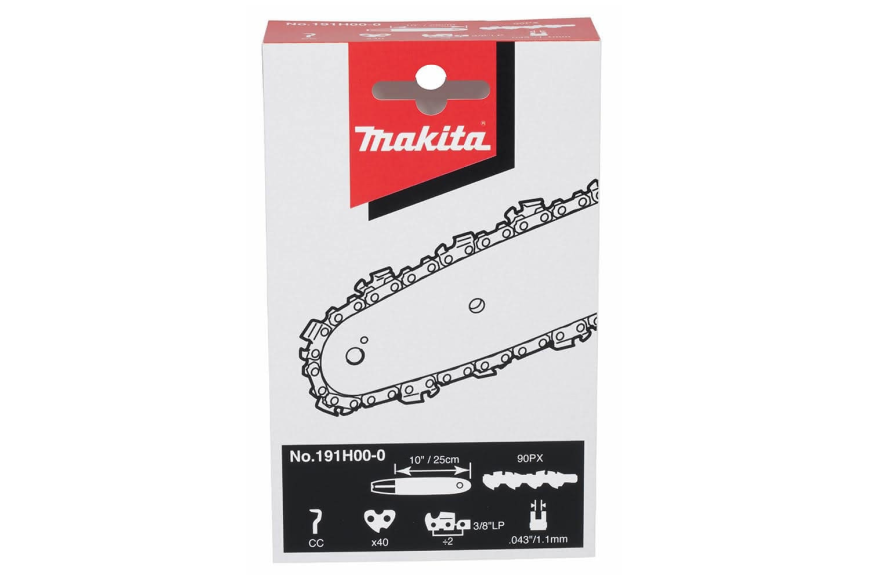
The Makita Saw Chain is intended for a 250 to 254 mm, or 10-inch, guide-bar arrangement. Its principal specifications include:
- 3/8-inch low-profile pitch
- 1.1 mm or 0.043-inch gauge
- 40 drive links
- 90PX chain type
- Narrow-kerf configuration
- Low-vibration design
- Top-plate filing indicators
- Oil holes for distributing lubrication
The live product listing identifies the Makita DUC254Z model, but users should still check the chainsaw manual and markings on the existing bar and chain. Similar-looking chains can differ in gauge or drive-link count, and a mismatch may create poor engagement or unsafe operation.
What Signs Suggest the Existing Chain Needs Attention?
A chain that produces fine dust instead of defined wood chips may be dull, particularly if unusual pressure is required. Cutting that pulls to one side can indicate uneven sharpening or damage. Excess vibration, cracked components, distorted drive links or adjustment that repeatedly reaches its limit also require investigation.
Incorrect tension, insufficient lubrication, a damaged guide bar or sprocket wear can imitate chain failure. The machine should be isolated, allowed to cool and inspected according to its manual. A cracked, broken or severely worn chain must not be reused, and cutters should never be filed beyond the manufacturer’s wear indicators.
How Does the Chain Design Support Cutting Performance?
The narrow kerf of the Makita Saw Chain reduces the width of material removed during cutting. Its low-profile format moves efficiently through suitable timber, while twin cutting corners support performance and durability. Low-vibration characteristics may improve comfort but do not remove chainsaw hazards.
Top-plate indicators provide a visual reference during sharpening. Oil holes help carry lubricant around the guide bar, supporting the moving contact between chain and bar. These features depend on correct installation, tension, lubrication and sharpening.
How Should Makita Saw Chain Be Installed?
Switch off the chainsaw, remove its battery or disconnect its power source and wait for every part to stop. Follow the model-specific manual when removing the cover, releasing tension and lifting away the old chain. Clean the bar groove, oil passages, cover area and sprocket region before fitting the replacement.
Position the Makita Saw Chain in the correct cutting direction, seat all 40 drive links in the bar groove and engage the drive sprocket. Refit the cover and adjust tension exactly as instructed. The chain must remain engaged while moving as the manual specifies, and adjustment must never be attempted while the saw is powered.
Why Do Lubrication and Battery Condition Matter?
Only manufacturer-approved chain lubricant chosen from suitable Oils should be used for the saw and working conditions. Adequate lubrication reduces friction and heat at the bar-and-chain interface. Operating the Makita Saw Chain without enough oil can rapidly damage both components.
For the cordless DUC254Z platform, compatible Power Tool Batteries support consistent operation when selected according to Makita requirements. A charged battery cannot compensate for a blunt chain, poor tension or blocked oil delivery, so the complete system must be checked.
What Checks Should Follow Replacement?
With the power source removed, confirm by the manual-approved method that the chain travels freely, faces the correct direction and stays engaged with the bar. Restore power only after covers and fasteners are secure.
Follow the manufacturer’s test procedure and verify oil delivery. Stop, isolate and recheck tension after the initial running period because a new chain may settle. Never inspect, touch or adjust a moving chain.
What Safety Controls Belong in the Work Plan?
A replacement chain does not make chainsaw work automatically safe. Operators need appropriate training, a stable position, an exclusion zone and task-specific protective equipment. Suitable PPE Combination Kits may support preparation when their contents match the risk assessment, while accessible First Aid Kits provide an important emergency resource. Generic kits do not replace chainsaw-specific leg, foot, head, eye, hearing and hand protection where required.
Check the chain brake, guards, handles and safety controls before work. Stop if the chain repeatedly loosens, lubrication fails or the saw behaves unexpectedly.
How Can Chain Service Life Be Extended?
Keep the Makita Saw Chain clean, correctly tensioned and lubricated. Sharpen cutters evenly at the specified angle, maintain depth gauges within stated limits and avoid soil, stone, wire or nails. Contact with abrasive material can dull cutters quickly.
After work, isolate the tool, remove debris and inspect the chain, bar and sprocket. Store the saw dry with its chain cover fitted. Consistent maintenance preserves cutting geometry and makes developing faults easier to identify.
Why Choose Makita Saw Chain MPN 191H00-0?
Makita Saw Chain MPN 191H00-0 provides a defined replacement specification for compatible 10-inch Makita chainsaws. Its 3/8-inch low-profile pitch, 1.1 mm gauge, 40 drive links, narrow kerf and lubrication-focused design support efficient cutting when correctly maintained.
Compatibility matters more than appearance. Confirm the saw model, guide bar, pitch, gauge and link count before fitting. With proper installation, tension and lubrication, the Makita Saw Chain can restore predictable performance without unnecessary cutting pressure.