What to Know Before You Sell a Car with Title in Miami, FL
Picture a driveway in Little Havana with a sedan that hasn't turned over in months. The owner keeps meaning to deal with it, but the paperwork feels confusing.
 roywilson
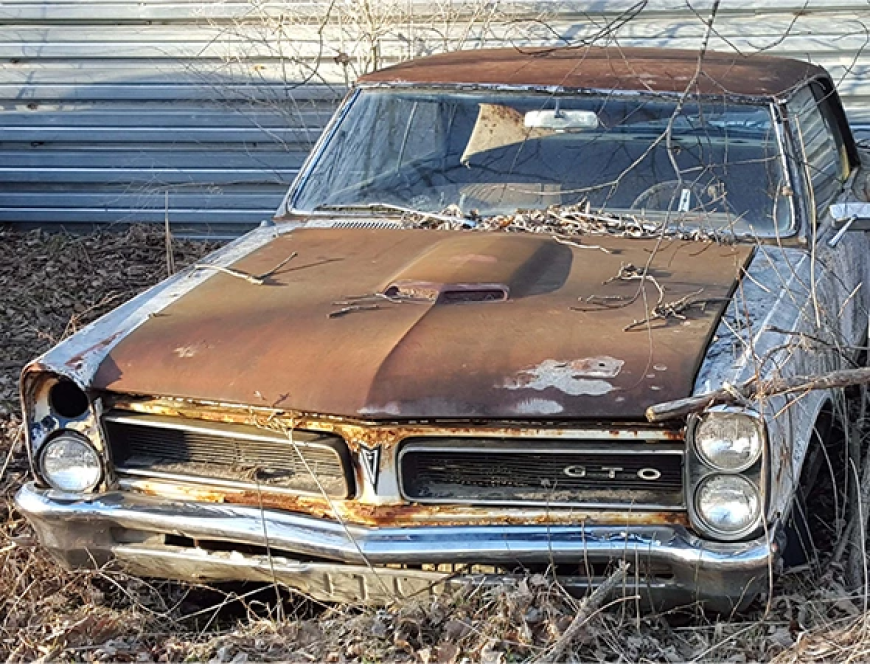
Picture a driveway in Little Havana with a sedan that hasn't turned over in months. The owner keeps meaning to deal with it, but the paperwork feels confusing. This is one of the most common situations for anyone looking to sell car with title in Miami, FL, and it happens more often than most people think.
The good news is that the process is usually simpler than it seems. A clear title puts you in control, whether the car still runs or has reached the end of its road. Understanding how the sale works helps you avoid delays, protect yourself legally, and get a fair outcome.
Why the Title Matters So Much
The title is the legal proof that you own the vehicle. Without it, most buyers, dealers, and salvage yards can't complete a purchase.
In Florida, the title also protects the seller. Once you sign it over and report the transfer, you're no longer tied to that car for tolls, tickets, or liability.
A clean, signed title tells any buyer the deal is legitimate. That single document often decides how fast a sale moves and how much trust it carries.
Common Scenarios Around Miami
People sell titled vehicles for all kinds of reasons. Some are upgrading, others are moving out of state, and many are simply clearing space.
A large share of these sales involve older or damaged cars. Miami's coastal weather is tough on vehicles, and rust or flood history can quietly lower a car's value over time.
Because of this, the local market includes everything from private buyers to salvage operators. Knowing which route fits your car helps you set realistic expectations.
Running Cars vs. Junk Cars
A working car with a title often sells best to a private buyer or a dealer trade-in. Buyers can inspect it, test drive it, and pay based on condition.
A non-running or heavily damaged car follows a different path. These usually go to junk buyers or recyclers who value the metal and reusable parts rather than the drive itself.
Both paths still rely on that title. The difference is mostly in who buys and how the price is calculated.
Getting a Fair Price
Condition, mileage, and demand all shape what a car is worth. A quick check on a couple of pricing tools gives you a realistic baseline before you talk numbers.
For junk vehicles, weight and current scrap rates matter more than model year. That's why two similar cars can fetch different offers depending on the day.
Getting more than one quote is smart. Companies like Big Cash 4 Junk Cars operate in the area alongside private buyers, and comparing offers keeps the process honest.
When Donation Becomes an Option
Not everyone wants cash. Some owners prefer to give a vehicle to charity for the tax benefit or simply to support a cause they care about.
If you're weighing whether to donate junk car in Hollywood, FL, the same rule applies: you still need the title to transfer ownership legally. Many charities handle pickup and paperwork, which appeals to people short on time.
Donation makes the most sense when a car has little resale value. In that case, the write-off can be worth more than a low cash offer.
Real-World Examples
Consider a retiree in Coral Gables with a truck that failed inspection. Repairs cost more than the vehicle was worth, so selling it to a salvage buyer cleared the driveway and returned some cash.
Then there's a college student who inherited an old hatchback. Rather than fix it, they chose to donate junk car in Hollywood, FL through a local charity and used the receipt at tax time.
Different goals, same starting point: a valid title and a clear plan.
Protecting Yourself During the Sale
Always keep a copy of the signed title and the bill of sale. These records matter if any question comes up later about who owned the car.
Report the transfer to the state promptly. This step officially releases you from responsibility and is easy to overlook in the rush of a sale.
Finally, remove your plates and cancel or transfer insurance once the car is gone. Small habits like these prevent headaches down the line.
Final Takeaways
Selling a titled car in Miami, FL doesn't have to be stressful. The title does most of the heavy lifting, and a little preparation covers the rest.
Decide whether your car fits the private-buyer, salvage, or donation route. Gather your paperwork, compare a few offers, and report the transfer when it's done.
Whether you sell for cash or give the vehicle away, starting with a clear title keeps everything smooth and safe.
Frequently Asked Questions
Do I need the physical title to sell my car in Miami, FL?
Yes, in most cases. Florida buyers and salvage yards need a signed title to complete the transfer. If it's lost, you can request a duplicate from the state.
Can I sell a car that doesn't run?
Absolutely. Non-running cars are often bought by salvage yards and recyclers who value parts and scrap metal, as long as you hold a valid title.
Is donating a junk car worth it compared to selling?
It depends on value. If the car is worth very little, a charitable tax deduction may benefit you more than a small cash offer.
How do I set the right price for a used car?
Check online pricing tools, factor in mileage and condition, and gather multiple offers. For junk cars, scrap weight and current metal rates matter most.
What should I do after the sale is complete?
Keep copies of the signed title and bill of sale, report the transfer to the state, remove your plates, and update your insurance.