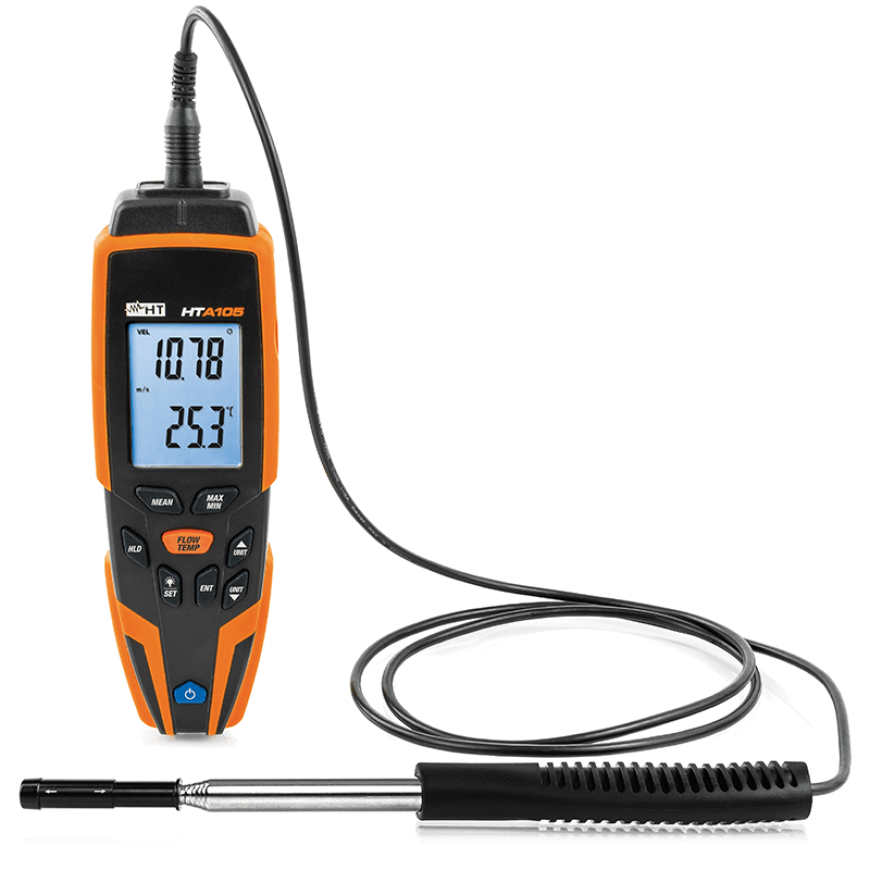
In a world where precision defines performance, monitoring temperature is fundamental to system stability, safety, and efficiency. Whether in industrial automation, healthcare, electronics, or energy, the ability to accurately measure and manage heat is essential. This is where Temperature Test & Measurement plays a crucial role.
From detecting overheating components to maintaining climate-sensitive environments, temperature testing ensures operational excellence. This article explores the foundational concepts, core technologies, and diverse applications of temperature measurement, highlighting its growing relevance in today’s connected, performance-driven industries.
What Is Temperature Test & Measurement and Why Does It Matter?
Temperature Test & Measurement is the process of quantifying thermal energy in a given environment, surface, or material using specialised instruments. Its importance extends beyond numbers; it directly impacts:
- Equipment safety and durability
- Process consistency and quality control
- Compliance with safety and environmental standards
- Operational energy savings and efficiency
- Protection of temperature-sensitive materials or products
Whether monitoring high-speed machinery, sterilising medical tools, or storing perishable goods, accurate thermal readings help maintain control and predict issues before they escalate.
What Are the Main Categories of Temperature Measurement Tools?
Contact-Based Temperature Devices
These instruments are ideal for direct interaction with the surface or material being measured.
- RTDs (Resistance Temperature Detectors): Known for precision, stability, and repeatability
- Thermocouples: Widely used in industry for their durability and broad temperature range
- Thermistors: Effective for precise, short-range thermal monitoring
Non-Contact Thermal Sensors
Useful for fast, surface-level scans where contact may be unsafe or impractical.
- Infrared Thermometers: Ideal for electrical maintenance, HVAC checks, and rotating equipment
- Thermal Imagers: Provide heat maps that reveal patterns, hotspots, or insulation gaps
Data Acquisition and Recording Tools
Used for ongoing monitoring and data logging.
- Temperature Loggers: Record data over time for analysis and compliance
- Wireless Temperature Modules: Enable real-time tracking across distributed systems
- Multimeters with Thermal Inputs: Combine electrical and thermal diagnostics in one unit
Where Is Temperature Test & Measurement Most Impactful?
Energy Systems and Power Plants
- Tracks heat in turbines, generators, and electrical switchgear
- Prevents thermal buildup that could lead to equipment failure
Medical Devices and Laboratories
- Ensures sterile environments for surgical tools and lab equipment
- Maintains strict thermal control for specimen storage and diagnostics
Climate Control and Environmental Monitoring
- Supports efficient heating and cooling in buildings
- Detects inefficiencies in insulation or HVAC systems
Food and Beverage Industry
- Verifies cooking, storage, and transportation temperatures
- Ensures hygiene and compliance with food safety regulations
Aerospace and Defence
- Monitors aircraft systems and onboard electronics
- Assists in pre-flight diagnostics and quality assurance
What Factors Should You Consider When Selecting Thermal Testing Equipment?
Choosing the right temperature measurement solution depends on several factors:
- Required accuracy: High-precision applications call for RTDs or calibrated probes
- Measurement environment: Rugged or corrosive conditions require robust sensors
- Response time: Applications involving rapid temperature changes need fast-reacting devices
- Integration: Choose systems that easily interface with existing monitoring platforms
- Data needs: For compliance or analytics, opt for devices with logging and export capabilities
What Are the Advantages of Temperature Monitoring in Operations?
Temperature testing brings substantial operational and strategic benefits:
- Enhances safety: Identifies thermal risks before they result in damage or injury
- Improves efficiency: Ensures systems run at optimal temperature ranges
- Protects assets: Prevents overheating and thermal stress on expensive equipment
- Supports automation: Enables feedback loops and automated responses based on temperature thresholds
- Drives innovation: Facilitates new product development with controlled testing conditions
How Is Technology Advancing the Field of Temperature Measurement?
IoT and Smart Integration
- Sensors now connect wirelessly to cloud platforms or SCADA systems
- Allows live alerts and remote access to temperature data across sites
Predictive Maintenance Tools
- Systems use temperature patterns to detect wear and impending failure
- Reduces unplanned downtime through early interventions
Micro and Flexible Sensors
- Tiny, flexible sensors can be embedded into wearables or compact devices
- Enables temperature monitoring in previously inaccessible locations
AI and Machine Learning
- Advanced software can analyse thermal data to spot trends
- Predicts faults and optimises thermal efficiency in real time
What Challenges Do Engineers Face in Thermal Testing?
Despite advanced tools, thermal measurement comes with its own set of obstacles:
- Environmental interference: External heat sources can distort readings
- Sensor degradation: Over time, even reliable sensors can drift or fail
- Improper installation: Incorrect placement affects accuracy and repeatability
- Data overload: Large-scale systems generate significant amounts of thermal data, which needs smart filtering
Addressing these challenges requires proper planning, routine calibration, and the right combination of hardware and software.
How Is Temperature Measurement Powering the Next Generation of Systems?
As systems become more compact, mobile, and automated, temperature testing becomes increasingly embedded. In smart homes, wearable health tech, autonomous vehicles, and industrial robots, integrated thermal feedback plays a critical role in safety and decision-making.
In sustainability-focused operations, accurate temperature management helps reduce waste, energy consumption, and emissions. This aligns with global energy efficiency standards and environmental goals, making temperature monitoring a cornerstone of responsible design.
Conclusion
Temperature Test & Measurement is more than just a diagnostic function; it is a dynamic, essential process that drives safety, performance, and innovation across every primary industry. As tools become more intelligent and systems more connected, temperature data will continue to shape how industries manage risk, optimise performance, and build future-ready solutions.
From precision sensors to AI-driven analytics, the ability to measure temperature accurately is becoming both a strategic asset and a competitive advantage. Whether you're fine-tuning a circuit, maintaining a food supply chain, or running a power plant, temperature measurement is the silent force behind success.

 joddie25