What Makes Tampa Bay’s Water “Hard”? Insights for Commercial Softener Selection
Find out why Tampa Bay’s water is hard and how to choose the right softener for your business with these simple, expert tips.
 aquawise
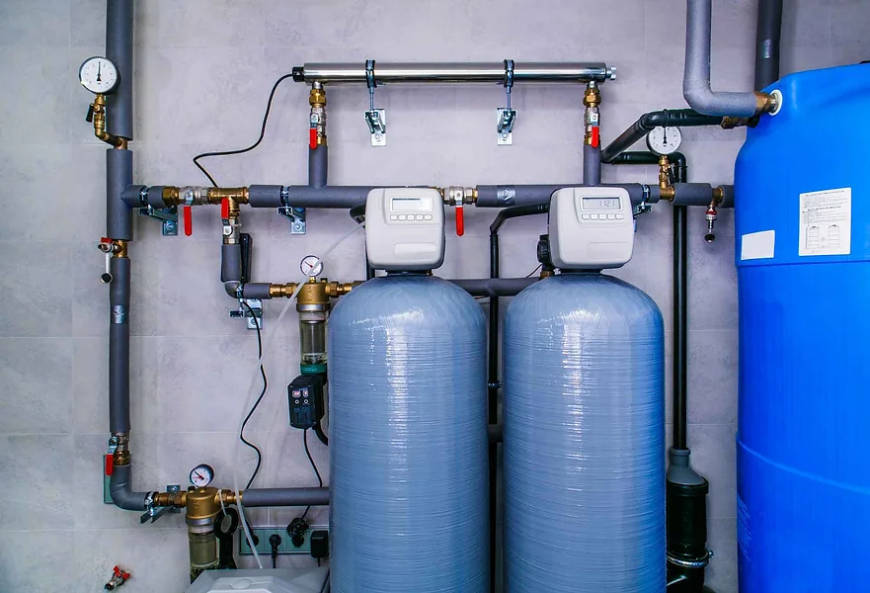
Hard water is a problem that many homes, businesses, and individuals in Tampa Bay deal with. But do you know what makes Tampa Bay’s water "hard"? If not, then this guide is perfect for you. Here, we will look into what hard water is and what causes the "hard" water. We also examine how hard water is treated by a commercial water softener in Tampa Bay and how to pick the best one. Hard water results in scale buildup, lessens appliance efficiency, and increases maintenance expenses. Understanding the particular characteristics of Tampa Bay’s water is key to choosing the right commercial softener for cost savings and long-term performance.
What is Hard Water?
Hard water is a condition of water with high mineral content. Calcium and magnesium dissolved in water are the primary causes of this. Hard water can result in skin dryness and hair. The calcium accumulation from this hard water can cause plaques, which shortens the equipment's lifespan. Both households and industries deal with these problems. Maintenance issues are increasing in industries. Water softeners (conditioners) can be used to treat this hard water.
The Reasons Behind Hard Water
Here are some causes of hard water:
-
Natural Mineral Content: The groundwater in and around Tampa Bay is hard due to mineral-rich bedrock.
-
Groundwater Resources: Minerals are naturally collected in the water underneath the ground and utilized for daily activities in borewells, which are located in this area.
-
Getting Older Water Systems: In some areas, older plumbing systems may worsen hardness by releasing minerals into the water.
The Impact of Hard Water
-
On Personal Care: Hard water leads to dry skin and hair because soap acts poorly with hard water.
-
On Household Appliances: You can notice kettles, pipes, and water heaters scaling.
-
On Plumbing: Hard water can cause scale accumulation, which clogs pipes and necessitates costly repairs.
-
On Cleaning: Glassware and dishes may get stains and streaks from hard water. Also, hard water can make it more difficult to use soap and detergents, leading to increased use.
Choosing the Right Commercial Softener for Treating Hard Water
Regardless of the field that your business is placed in, there are multiple benefits of having a water softener. With a water softener, you can boost the performance of the corporate system (not only heating but also other things) thus saving energy due to fewer fuel use, protect the equipment and pipes from damage, ensure equipment in a factory, or a final rinse in the house is free from stains, economize on the usage of substances, and minimize the risk of overusing commodities like surfactants. At the same time, you can extend the life of the other purification processes (phones and RO may be there) by making the water softer or feeding the water with a certain growth.
However, which crucial elements must be considered when selecting a water softener? Let's discuss!
Expected Water Usage
Commercial use can be complicated compared to most domestic applications. This is because commercial buildings use a lot of water, sometimes in different amounts. Recent studies show that the average human uses 250 liters of water daily, with each employee using up to 50 liters. Water demand increased significantly when industrial appliances, machinery, and procedures were added to commercial activities (such as product manufacture). Because of this, it's critical to understand when softened water is necessary (spotless washing and rinsing) and when it can reduce the continuous cost of maintenance and cleaning.
Typical Manufacturing Water Usage:
Smartphone Production: 14,500 Litres Per Phone
Car Production: 100,000 Litres Per Vehicle
Plastic Production: 100 Litres Per 453g Plastic
Paper Production: 64,352 Litres Per Ton
Average Water Use in Various Commercial Settings:
Restaurants: Up To 21,955 Litres Per Day
Hairdressing: Up To 1,022 Litres Per Day Per Chair
Offices: Up To 50 Litres Per Day For Each Employee
Commercial Car Washing: Up To 545 Litres Per Car
Water Hardness Level
Once your water usage and volume requirements have been considered, adjusting your incoming water hardness is next. If you are still in doubt about your water hardness, we suggest ordering one water hardness test kit, which can give a CaCO₃ reading in PPM (parts per million). Flow rate requirements and water hardness are key factors in selecting the right water softener for your application. This guarantees that regenerations take place at appropriate intervals without interfering with your workflow.
Required Flow Rates and Volume
Once you have checked the level of your water hardness, you then move on to the next phase, which is the determination of your flow rates and the vastness of your water requirements. You might consider a duplex water softener if you need the water to be softened throughout the day. This type of water softener makes use of technology called duty/standby, which ensures continuous softening of water. All water softener product sites similar to Aqua-Wise Solutions usually have flow rates that can be used to compare your daily or hourly water volume to make sure the flow is enough for you.
Sum Up
Choosing a commercial water softening system is an essential decision that can notably impact your water quality and overall comfort. Understand the key factors in choosing commercial water treatment systems to make a well-informed decision that meets your requirements and preferences. If your business is impacted by hard water in Tampa Bay, now is the right time to take action. Purchasing a top-notch industrial water softener may lower maintenance expenses, safeguard your equipment, and increase overall operational effectiveness.