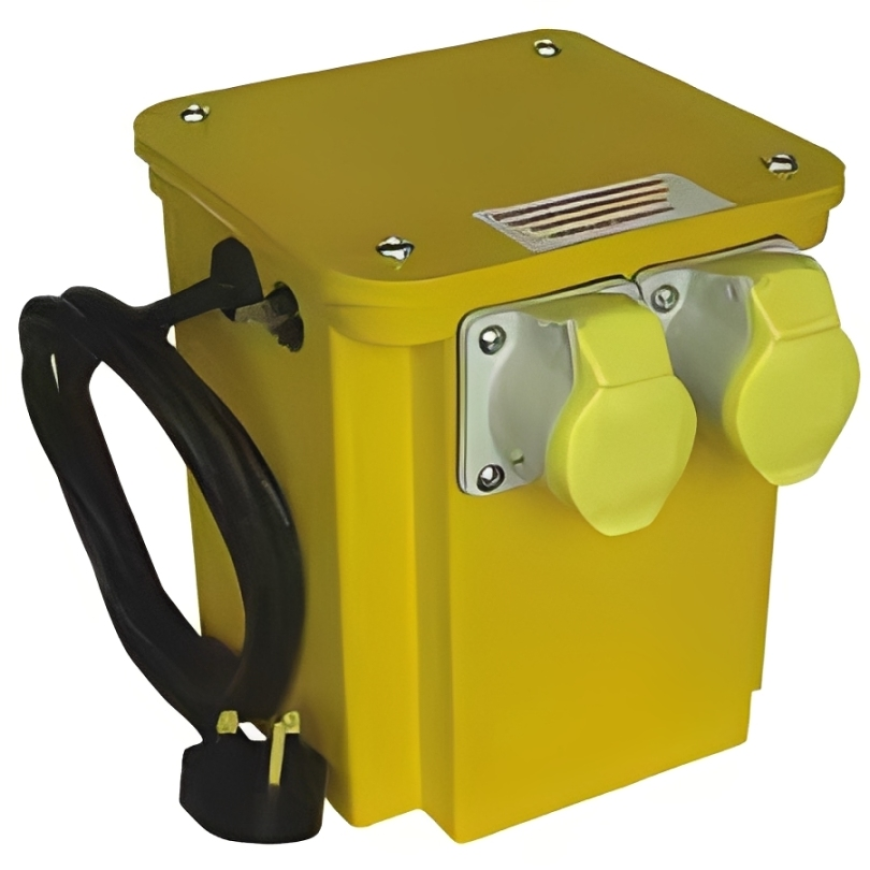
What Is an Isolation Site Transformer and Why Is It Essential?

An Isolation Site Transformer is a vital electrical component designed to provide safe, reliable power in hazardous or temporary environments. These transformers are widely used on construction sites, industrial facilities, and mobile setups to isolate electrical circuits from the main power source. This isolation protects users from electric shock, reduces equipment damage, and supports compliance with stringent safety regulations. With growing awareness of electrical safety, isolation transformers have become indispensable in power distribution setups where human interaction is frequent and risk mitigation is paramount.
Understanding the Purpose of an Isolation Site Transformer
An isolation site transformer separates the power supply's live and neutral lines, providing electrical isolation between input and output. This design eliminates direct electrical connections and minimizes leakage current. Such isolation is especially critical in outdoor or rugged environments where electrical systems are prone to moisture, physical damage, or unstable loads.
These transformers help prevent ground loops and restrict short circuits from affecting upstream equipment. Additionally, they serve to stabilize voltage, ensuring consistent power delivery to tools, lighting, and temporary circuits.
Key Applications of Isolation Site Transformers
Construction Sites:
On active job sites, various tools and machinery are powered through temporary setups. Isolation site transformers ensure workers' safety when operating drills, saws, and lighting systems. They protect from accidental electric shocks due to damaged cables, exposed conductors, or wet environments.
Events and Outdoor Setups:
Temporary installations for concerts, outdoor markets, or festivals use these transformers to manage multiple devices like lighting rigs, audio systems, and controllers.
Industrial Maintenance Work:
During shutdowns or repair sessions, teams use isolation transformers to power portable tools while ensuring protection from overvoltage, thermal buildup, and electrical faults.
Advantages That Make Isolation Site Transformers Reliable
These transformers are specially engineered to deliver a combination of safety, efficiency, and portability. Below are notable benefits:
-
Reduce the risk of electric shock from faulty tools or live conductors
-
Offer consistent power output despite load fluctuations
-
Protect sensitive devices like sensors, controllers, and microprocessors
-
Enhance the lifespan of electronics by minimizing electrical noise
-
Prevent back-feed to the power supply, improving circuit integrity
Technical Features Enhancing Site Safety
Isolation site transformers are equipped with features that suit their challenging operating environments:
-
Enclosures made from weatherproof or thermal-resistant materials
-
Built-in fuses or thermal overload protection mechanisms
-
Multiple voltage taps for adaptable output requirements
-
Durable cables and grips for secure connectivity
-
LED status indicators and control switches for operational visibility
These features contribute to reliable functionality across various climate conditions, including thermal extremes, moisture exposure, and mechanical stress.
Integration With Modern Electrical Equipment
With the evolution of electronics and microcontrollers, power quality has become more critical than ever. Isolation transformers help maintain clean, noise-free power, especially in circuits involving:
-
Programmable Logic Controllers (PLCs)
-
Capacitor-based power supplies
-
LED lighting installations
-
Microprocessor-driven tools
-
Safety switches and contactors
-
Measurement systems with thermal sensors or thermal pads
By supplying a stable voltage without interference, these transformers play a role in protecting high-end components from failures due to surges or voltage spikes.
Safety Compliance and Industry Standards
Most isolation site transformers are manufactured in compliance with national and international standards, ensuring suitability for professional use. Compliance features often include:
-
IP-rated enclosures for dust and water ingress protection
-
Flame-retardant housing
-
Earth fault loop impedance protection
-
Built-in circuit breakers or contactors for emergency shutdown
-
Adherence to IEC and BS standards for electrical installations
These safeguards are essential in environments where safety is a legal and operational priority.
Factors to Consider When Choosing an Isolation Site Transformer
When selecting the right transformer, it is important to assess several parameters based on the site's electrical load and operational scope:
-
Power rating (in kVA) to match connected tools and machines
-
Output voltage suitable for equipment
-
Number of output sockets and type of connectors
-
Portability features like handles, wheels, or compact casing
-
Thermal protection to prevent overheating under extended load
The inclusion of appropriate fuses, switches, and cables enhances both usability and safety.
Evolving Role in Sustainable Power Distribution
In today’s energy-conscious environment, isolation transformers also support safer power distribution in sustainable projects, including solar installations and modular industrial setups. As more electronics and sensors are deployed on worksites, these transformers offer dependable power management that protects both workers and assets.
Conclusion
An isolation site transformer is more than just a power delivery tool; it is a critical component that safeguards people, equipment, and entire systems from the dangers of electrical faults. From enhancing operational safety to ensuring reliable energy in mobile and industrial environments, these transformers are essential in maintaining compliance, functionality, and peace of mind. As industries continue to advance in automation and electronics, the importance of clean, isolated, and stable power will only grow, reinforcing the transformer’s role as a silent protector in every power chain.