What is a Solenoid Coil and How Does It Work?
 jackzkr317
Introduction
A solenoid coil is an essential component in the world of electronics, commonly used to create a controlled magnetic field. This simple yet powerful device converts electrical energy into mechanical motion through electromagnetic induction. The primary function of a solenoid coil is to move or control a mechanical element in devices like solenoid valves, relays, and even car starters. In this blog, we’ll explore the structure, working mechanism, applications, and the significance of solenoid coils in modern electronics.
What is a Solenoid Coil?
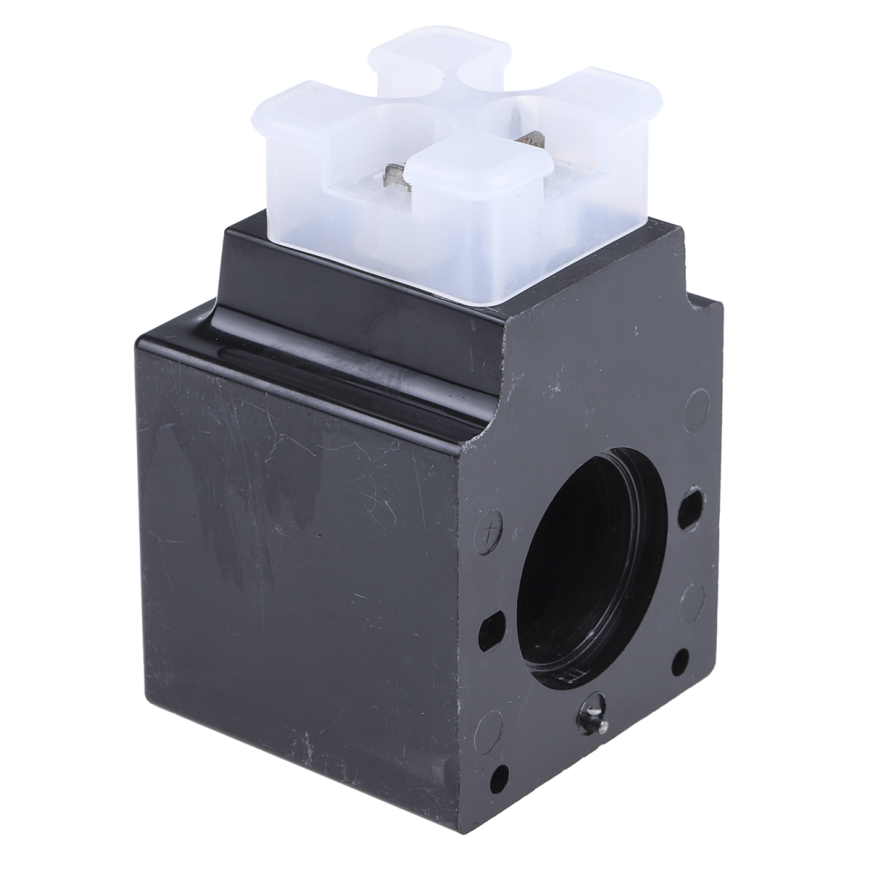
A solenoid coil consists of a wire wound into a cylindrical shape, typically around a ferromagnetic core. When an electric current flows through the wire, it generates a magnetic field along the axis of the coil. This magnetic field can exert a force on nearby ferromagnetic materials, causing motion or triggering an action.
Key Components of a Solenoid Coil:
-
Wire: Usually copper, the wire is insulated and wound tightly to form the coil.
-
Core: The core can be made of various materials, often iron, which helps amplify the magnetic field.
-
Power Source: The solenoid coil requires a power source, typically a DC or AC supply, to create the electromagnetic field.
How Does a Solenoid Coil Work?
When a current is passed through the coil, it creates a magnetic field that surrounds the wire. The strength of this magnetic field is proportional to the number of coil turns and the amount of current flowing. The generated field can interact with a metal core (known as the armature), causing it to move.
In a typical solenoid-based actuator, this motion is linear, making it ideal for applications like controlling the movement of valves, locks, and even providing mechanical feedback in electronic systems. Solenoids are widely used in various industries, including automotive, industrial automation, and consumer electronics.
Applications of Solenoid Coils in Modern Electronics
Solenoid coils are integral to various devices and systems. Their ability to convert electrical signals into mechanical movement makes them valuable in applications that require precise control. Below are some of the most common applications:
-
Solenoid Valves: Solenoid coils are used in solenoid valves to control the flow of liquids and gases in various systems, such as water treatment plants and fuel systems.
-
Relays and Contactors: Solenoids are used in relays and contactors to open or close electrical circuits, essential for switching operations in appliances, lighting systems, and machinery.
-
Locking Mechanisms: Electric locks often utilize solenoid coils to actuate the lock mechanism in security systems.
-
Automotive Applications: In vehicles, solenoid coils are used in starters and fuel injectors to trigger movement and power the engine.
-
Medical Devices: Some medical devices, such as MRI machines, rely on solenoid coils to generate strong magnetic fields for imaging purposes.
Advantages of Solenoid Coils in Electronics
Solenoid coils offer a range of benefits that make them a preferred choice in many applications, particularly in industrial and consumer electronics. Here are the key advantages:
-
Compact Design: Solenoids are compact yet efficient in converting electrical energy into mechanical motion, making them ideal for space-constrained systems.
-
Low Maintenance: These devices have no moving parts in their core design, which reduces wear and tear, resulting in minimal maintenance needs.
-
Precise Control: Solenoids provide highly controllable and accurate movements, essential for precise switching or locking mechanisms.
-
Reliability: With simple construction, solenoid coils are highly reliable in their operation, even in harsh environments.
Materials Used in Solenoid Coils
The materials used to construct a solenoid coil play a crucial role in its performance. Typically, the wire used for winding the solenoid is copper, chosen for its excellent electrical conductivity. For the core, materials like soft iron are preferred due to their magnetic properties, which help concentrate the magnetic field generated by the coil. In more advanced systems, solenoid coils may use materials like ferrite or specialized alloys to enhance performance in specific applications.
Factors Affecting Solenoid Coil Performance
The performance of a solenoid coil is determined by several factors that influence its magnetic field generation and mechanical movement. Here are a few critical factors:
-
Wire Gauge: The thickness of the wire used in the coil affects the resistance and the amount of current that can flow through the coil. Thicker wires carry more current, enhancing the magnetic field.
-
Number of Turns: The number of turns in the coil directly impacts the strength of the magnetic field. More turns create a stronger field.
-
Core Material: The material of the core determines the efficiency of the magnetic field. Materials with high magnetic permeability, such as iron, concentrate the field better, improving solenoid performance.
-
Power Supply: The voltage and current supplied to the solenoid coil are critical in determining its strength and response time. Consistent and regulated power is essential for optimal performance.
Common Challenges in Solenoid Coils
While solenoid coils are reliable and effective, they also come with their share of challenges. These include:
-
Heat Generation: Continuous current flow can generate heat, potentially damaging the coil. Proper thermal management and the use of thermal pads or heat sinks can help mitigate this issue.
-
Magnetic Saturation: When the magnetic field generated exceeds the core material’s capacity, it can lead to saturation, reducing the solenoid's efficiency. Proper design ensures that the coil operates within the material's limits.
-
Power Consumption: Solenoids, particularly in large-scale applications, can consume a significant amount of power. Efficient circuit design and the use of microcontrollers or power-saving circuits can help address this.
Conclusion
In conclusion, solenoid coils are essential components in many modern electronic and electrical systems, playing a crucial role in various applications ranging from industrial automation to automotive systems. Understanding how solenoids work, their advantages, and the factors influencing their performance can help engineers and designers select the right solenoid coil for their projects. Whether used in relays, solenoid valves, or locking mechanisms, solenoids provide precise, reliable, and efficient control in electronic systems.