What Is a Mechanical Seal Bearing and Why It Matters
Discover how a high-quality mechanical seal bearing can extend machinery life, reduce leaks, and boost system efficiency. Learn more in this complete guide.
 arvroptical
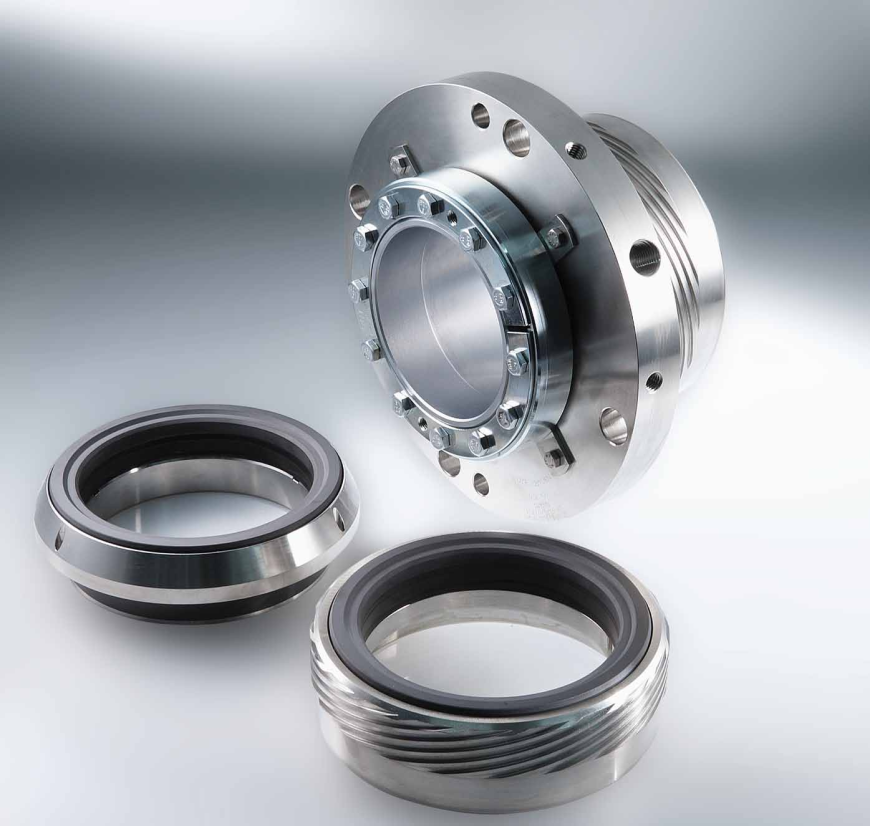
Every machine part has a role, but some are critical to keeping operations smooth and safe. A mechanical seal bearing is one such component. It's designed to prevent leakage between rotating and stationary parts—especially in pumps, mixers, and compressors. Whether you're in manufacturing, automotive, or HVAC systems, this small component helps protect equipment, reduce downtime, and save costs.
The Role of Mechanical Seal Bearings in Machinery
Mechanical seal bearings serve two important purposes:
-
Sealing – They keep fluids (like oil or water) inside a machine and stop contaminants from getting in.
-
Supporting Rotation – They also support the shaft or rotating assembly to ensure smooth movement.
These bearings are typically used in:
-
Pumps (centrifugal and positive displacement)
-
Water treatment plants
-
Food processing machines
-
Chemical equipment
-
Compressors and fans
In all these cases, the goal is the same—efficient operation with minimal wear and no leakage.
Key Benefits of Using Mechanical Seal Bearings
Here’s why engineers and plant operators prefer them:
1. Leak Prevention
A properly designed mechanical seal bearing can eliminate or drastically reduce fluid leaks in rotating systems. This ensures cleaner environments and less product loss.
2. Extended Equipment Life
These bearings reduce shaft wear, which leads to longer machinery lifespan and fewer unexpected failures.
3. Operational Efficiency
By minimizing friction and preventing contamination, mechanical seal bearings help equipment run at peak performance.
4. Reduced Maintenance
Systems equipped with mechanical seal bearings need fewer repairs. This reduces labor costs and improves uptime.
Types of Mechanical Seal Bearings
There are different types based on how they are designed and applied:
-
Single-Spring Seals – Ideal for general-purpose applications with steady conditions.
-
Multi-Spring Seals – Better for high-pressure or high-temperature environments.
-
Cartridge Seals – Easy to install and replace, often used in critical operations.
-
Metal Bellow Seals – Suitable for high-temperature applications and corrosive media.
Choosing the right one depends on pressure, temperature, speed, and media.
What to Consider When Choosing a Mechanical Seal Bearing
While selecting a mechanical seal bearing, you should evaluate the following:
-
Operating Pressure and Speed – High-speed applications need specialized designs.
-
Fluid Type – Some bearings perform better in oils, others in chemicals or water.
-
Material Compatibility – The bearing must match your system materials to avoid corrosion or failure.
-
Installation Size – Check the correct dimensions to ensure a proper fit.
Getting the right seal is vital to avoid issues like overheating, vibration, or leakage.
Why Quality Matters
Cheap or poorly made mechanical seal bearings can wear out quickly, leak easily, or damage other machine parts. That’s why many maintenance teams trust brands that specialize in industrial-grade parts tested for reliability.
Using high-quality components means better protection, less downtime, and long-term cost savings.
Conclusion
If you're managing machinery that involves rotating shafts, pumps, or fluid systems, using a mechanical seal bearing is a must. It not only ensures a secure seal but also reduces wear and improves equipment life. With less leakage, less maintenance, and smoother operation, it’s a small part with a big impact. Always choose a bearing that matches your system’s specifications and operating conditions for the best results.
Looking for reliable solutions? Explore the complete guide and product options to make the right choice for your business.