What Homeowners Should Know About Full Home Wiring Installation in Kingston, NY
 roywilson
Older homes carry a certain charm, but many hide an electrical system that hasn't kept up with modern life. Anyone who has flipped a breaker while running a microwave and a hairdryer at the same time understands the frustration. For many residents, a full home wiring installation in Kingston, NY becomes less of a luxury and more of a necessity, especially in houses built decades before smartphones, EV chargers, and smart appliances existed.
Rewiring an entire home is a major project, but it solves problems that patchwork fixes never can. Understanding how the process works helps homeowners make smarter decisions and avoid costly surprises.
Why Older Wiring Struggles With Modern Demands
A lot of homes across the Hudson Valley still run on wiring that was installed for a much simpler era. Knob-and-tube systems, aluminum wiring, and undersized panels were common in mid-century construction. These setups were fine when households used far less power.
Today, the average home juggles dozens of devices at once. Outdated wiring can overheat, trip frequently, or fail to support new appliances. In some cases, insurance companies even flag older systems as a risk.
That's why complete rewiring has grown in popularity. Instead of chasing one issue after another, a whole-home approach brings the entire system up to current safety codes.
What the Process Usually Involves
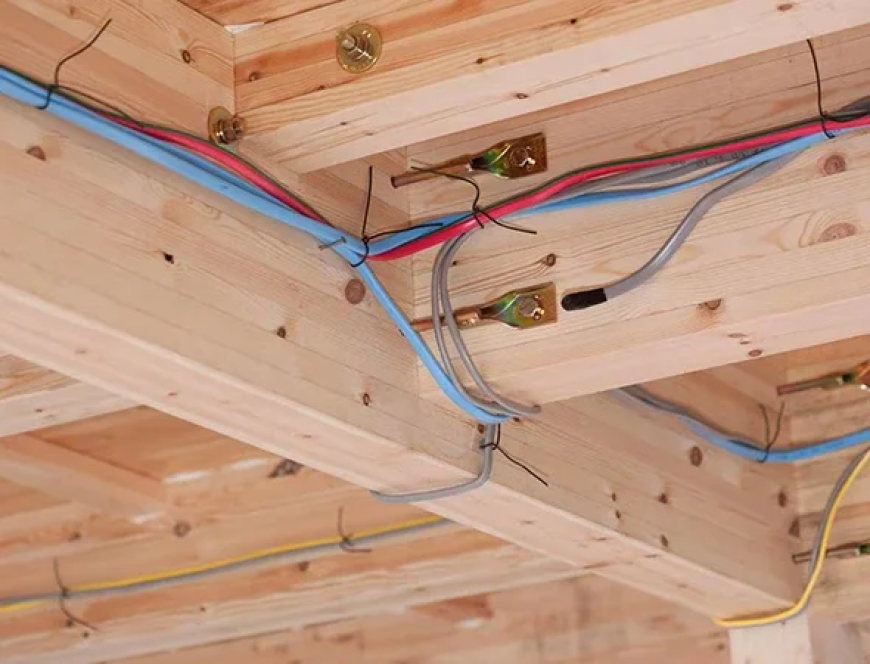
A rewiring project starts with an inspection of the existing system. Electricians map out circuits, check the panel capacity, and note any code violations. From there, they plan new wiring routes that reduce load on any single circuit.
Much of the work happens behind walls, so timing depends on the size of the home and its layout. Newer homes tend to move faster, while historic properties require extra care to protect original features.
Permits and inspections are standard parts of the job. These steps confirm that the finished work meets local safety standards, which matters both for daily use and future resale.
The Real Benefits Beyond Safety
Safety is the obvious reason to rewire, but the advantages stretch further. A modern electrical system supports the power needs of today's homes without constant interruptions. That means fewer tripped breakers and more reliable performance across every room.
Energy efficiency also improves. Properly sized wiring and updated panels handle electrical loads better, which can reduce waste. Many homeowners notice their systems simply feel more stable afterward.
There's a financial angle too. Updated wiring often raises property value and makes a home easier to insure. Buyers tend to appreciate knowing the electrical bones of a house are solid.
Everyday Situations That Trigger a Rewire
Sometimes the need becomes obvious during a renovation. Opening up walls for a kitchen remodel often reveals wiring that can't support new outlets or lighting. Homeowners adding a home office, a hot tub, or an electric vehicle charger frequently discover their panel simply can't keep up.
Events and special projects can also expose limitations. Someone planning custom wedding lighting in Peekskill, NY, for example, may find that older outdoor wiring can't handle the added demand safely. Decorative lighting looks effortless, but it relies on a strong, well-planned electrical foundation underneath.
Local electricians see these scenarios regularly. Firms such as Lightsmith Electric often note that lighting-heavy projects and full rewires share the same core requirement: a system built to handle real-world load without strain.
Planning Ahead Pays Off
The smartest approach is to think about future needs, not just current ones. Adding capacity for potential upgrades, whether that's solar, a backup generator, or expanded outdoor lighting, saves money down the road.
For homeowners weighing a big electrical project, a little research goes a long way. Understanding the basics helps you ask better questions and recognize quality work when you see it. Whether the goal is a safer house in Kingston, NY, or elegant custom wedding lighting in Peekskill, NY, the principle stays the same: good wiring is the quiet backbone of everything else.
Frequently Asked Questions
How long does it take to rewire an entire home?
Most projects take several days to a couple of weeks. Timing depends on the home's size, its age, and how easily electricians can access existing wiring.
How do I know if my house needs rewiring?
Warning signs include frequent tripped breakers, flickering lights, warm outlets, and a fuse box instead of a modern panel. Homes over 40 years old are worth inspecting.
Is it safe to live in the home during a rewire?
In many cases, yes. Electricians often work room by room and restore power daily, though some phases may require short outages in specific areas.
Does rewiring increase a home's value?
Generally, yes. Updated electrical systems appeal to buyers, simplify insurance approval, and reduce the risk of future problems.
Can outdoor lighting projects require electrical upgrades?
Sometimes. Large or decorative lighting setups can exceed the capacity of older outdoor circuits, so an assessment is often recommended before installation.