What Happens If You Ignore Moisture Damage in Wooden Homes?
Wooden homes have a warmth that brick and concrete just can’t match. They feel solid, lived in, and full of character.
 crissmiel
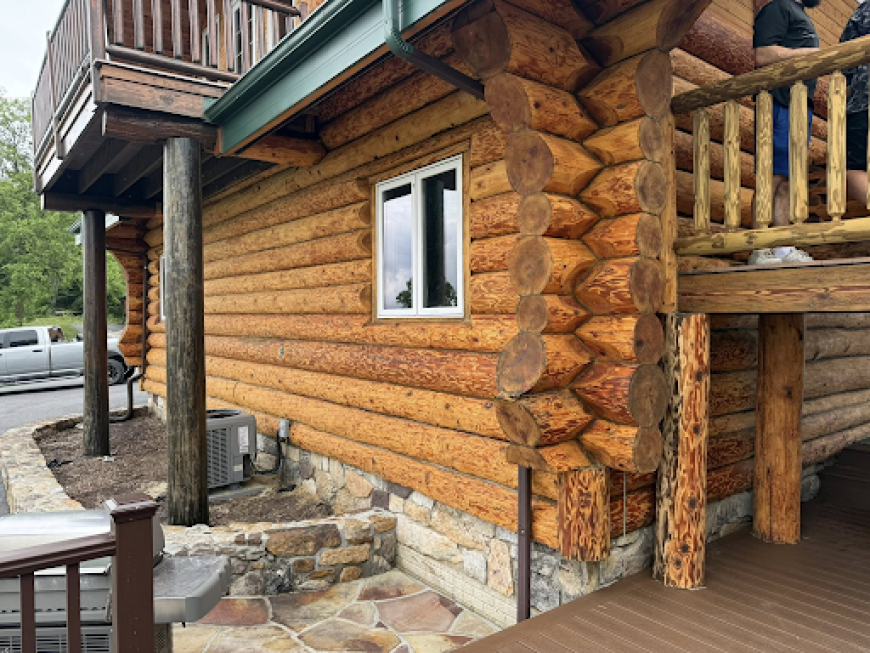
Wooden homes have a warmth that brick and concrete just can’t match. They feel solid, lived in, and full of character. But wood has one weakness that never really goes away. Moisture. If you let water sit where it shouldn’t, problems start creeping in long before you notice them. That’s why repair log cabin rot isn’t something homeowners should put off until "next season." By then, the damage is often bigger than it first looked. A little damp patch has a habit of turning into something much more expensive, and honestly, it happens faster than most people think.
Why Moisture Damage Starts Small but Rarely Stays That Way
Moisture doesn't usually announce itself with a huge leak or dramatic collapse. Most of the time it begins quietly. A tiny roof leak. Water splashing against lower logs. Gutters overflowing after heavy rain. Maybe condensation trapped inside walls because ventilation isn't great. None of those things seem urgent on their own. The trouble is, wood absorbs moisture over time. Once that moisture can't escape, decay begins. It isn't instant, but it doesn't stop on its own either. Every rainy season gives it another chance to spread deeper into the timber.
How Rot Slowly Weakens the Structure
Wood rot isn't just about ugly stains or soft spots. It changes the strength of the timber itself. Fungi feed on damp wood, breaking down the fibers that hold everything together. Logs that once carried heavy loads can slowly lose their structural integrity. Floors may begin to feel uneven. Doors stop closing properly. Windows stick for no obvious reason. Sometimes homeowners blame settling, but the real cause is hidden underneath. By the time visible cracks appear, the affected area is often much larger than expected.
Mold and Indoor Air Problems Can Follow
Moisture creates the perfect environment for mold growth. Not every damp area becomes covered in black mold, but any long-term moisture issue raises the risk. Mold spores move through the air and settle throughout the home. Some people barely notice them. Others deal with allergies, coughing, irritated eyes, or ongoing respiratory problems that seem to come from nowhere. Living in a wooden home should feel comfortable. It definitely shouldn't leave you wondering why the air always feels damp or stale.
Pests Love Damp Timber More Than You Think
Rotting wood attracts more than fungus. Insects notice it too. Carpenter ants, wood-boring beetles, and even termites in some regions are far more likely to move into damp timber than healthy, dry wood. Once pests settle in, they create another layer of damage on top of the moisture problem. Now you're dealing with two repairs instead of one. I've seen homeowners spend weeks chasing insects without realizing the damp wood underneath was the real invitation.
Small Repairs Turn Into Major Restoration Jobs
Here's where ignoring moisture becomes expensive. Replacing one damaged log is usually manageable. Replacing multiple structural sections isn't. Contractors often remove surrounding materials just to reach hidden decay, and sometimes they discover the problem extends much farther than anyone guessed. Roof supports, floor joists, wall framing... it can snowball. What could have been a weekend repair turns into a project lasting weeks. Nobody enjoys hearing that kind of news.
Moisture Can Reduce Property Value
Even if you're planning to sell years from now, untreated moisture damage leaves a mark. Home inspectors are trained to spot signs of rot, water intrusion, and mold. Buyers tend to get nervous when wooden structures show evidence of decay. Fair enough, really. Most people don't want to inherit someone else's maintenance problems. Repair costs often become bargaining chips during negotiations, knocking thousands off the asking price. Sometimes deals fall through completely because the inspection uncovers widespread water damage.
Prevention Costs Less Than Waiting
Routine maintenance isn't exciting. Cleaning gutters, checking roof flashing, sealing exposed timber, and inspecting the lower logs probably won't make anyone's weekend more fun. But those simple habits keep moisture from becoming a serious issue. A quick inspection every few months can catch cracks, soft spots, or discoloration before they spread. Good drainage around the home matters too. Water should always move away from the foundation instead of pooling against the logs. It's basic stuff, yet it saves a lot of money later.
Don't Ignore the Early Warning Signs
Wood usually gives warnings before complete failure. Soft areas that feel spongy under pressure. Paint or stain bubbling unexpectedly. A musty smell that lingers after rain. Dark patches that never seem to dry. Even tiny mushrooms growing near wooden walls should raise concern. None of these signs automatically mean the house is in serious trouble, but they deserve attention. Waiting for obvious structural damage is rarely the smart move because by then the hidden decay has already been working for quite a while.
Knowing When Professional Repairs Make Sense
There comes a point where DIY solutions simply aren't enough. Surface treatments won't fix wood that's already lost its strength. Damaged sections often need replacing, and that work has to blend with the existing structure while keeping the building stable. If inspections reveal deep decay, professional log cabin repair rotten logs services become the safer option. Experienced specialists can identify how far the moisture has travelled, replace weakened timber properly, and correct the source of the water so the same issue doesn't return six months later. Skipping that step usually means paying twice.
Conclusion
Moisture damage rarely fixes itself. In fact, it almost always gets worse while looking deceptively harmless from the outside. That's what catches people off guard. A little dampness becomes rot. Rot becomes structural damage. Then mold, insects, and rising repair bills join the party. Keeping a wooden home in good shape isn't about chasing perfection. It's just about dealing with small issues before they become big ones. A few inspections each year and quick action when moisture appears can protect both the home and the investment behind it. That's a lot easier than rebuilding sections of a house that could've been saved earlier.