What Equipment Should You Hire for Small and Large Construction Jobs?
 proquirs
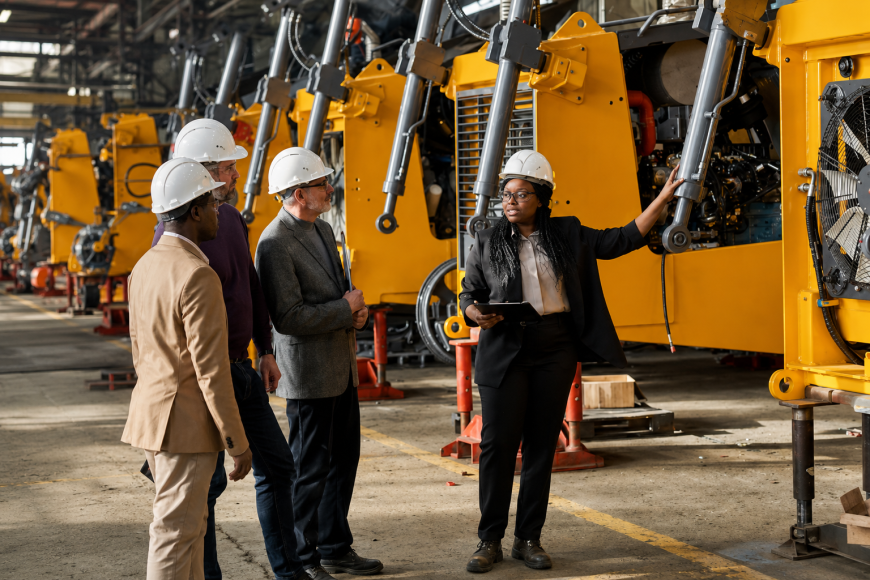
Choosing the right construction equipment can make the difference between finishing a project on time and dealing with unnecessary delays and costs. Small landscaping projects rarely need the same machinery as commercial earthmoving work, yet many contractors and property owners hire equipment based only on availability instead of matching the machine to the job.
Understanding what each machine does helps improve productivity, reduce fuel consumption, and create a safer worksite. According to the Occupational Safety and Health Administration (OSHA), selecting suitable equipment and ensuring operators are properly trained are essential parts of maintaining safe construction operations. This makes equipment selection an important planning decision rather than simply a hiring choice.
Which Jobs Are Best Suited for Skid Steer Hire?
For many residential and light commercial projects, skid steer hire offers one of the most versatile equipment solutions available. A compact skid steer can handle excavation, grading, material movement, site cleanup, and landscaping tasks while working efficiently in areas where larger machinery cannot operate.
Its compact size allows operators to work in confined spaces, including residential backyards, narrow driveways, and urban construction sites. With the right attachments, one machine can perform the work of several specialised tools, helping contractors reduce equipment costs while increasing productivity.
Projects that commonly benefit from skid steer hire include:
-
Residential landscaping.
-
Driveway preparation.
-
Site cleanup.
-
Material loading.
-
Soil levelling.
-
Fence installation.
-
Small demolition work.
-
Garden excavation.
Because attachments can be changed quickly, contractors spend less time switching between machines and more time completing productive work.
When Should You Hire Larger Construction Equipment?
While skid steers perform well on compact projects, larger developments often require heavier machinery capable of moving greater volumes of soil and materials.
Excavators, bulldozers, wheel loaders, articulated dump trucks, and graders are better suited for:
-
Commercial developments.
-
Road construction.
-
Large-scale excavation.
-
Foundation digging.
-
Bulk earthmoving.
-
Drainage projects.
-
Civil infrastructure.
-
Quarry operations.
Larger equipment increases production on extensive sites where compact machines would require significantly more operating hours.
The Association of Equipment Manufacturers notes that matching equipment capacity to project requirements helps improve efficiency while lowering operating costs over the life of a project.
How Do Equipment Attachments Improve Productivity?
One reason compact equipment remains popular is its ability to accept numerous attachments. Modern skid steers can perform many different tasks by simply changing the front attachment instead of replacing the entire machine.
Popular attachments include:
-
General-purpose buckets.
-
Augers.
-
Trenchers.
-
Pallet forks.
-
Hydraulic breakers.
-
Soil conditioners.
-
Grapple buckets.
-
Brush cutters.
This flexibility allows contractors to complete multiple stages of a project with one machine, reducing transport costs and equipment downtime.
Manufacturers such as Bobcat and Caterpillar continue expanding compatible attachment options because versatile equipment helps contractors maximise machine utilisation across different job types.
What Factors Should You Consider Before Hiring Construction Equipment?
Selecting equipment involves more than choosing the largest available machine. Every project presents different site conditions, access limitations, soil types, and lifting requirements.
Before hiring equipment, consider:
-
Project size.
-
Ground conditions.
-
Working space.
-
Material volume.
-
Required lifting capacity.
-
Operator experience.
-
Transport access.
-
Attachment compatibility.
Hiring equipment that closely matches the work often reduces fuel use, minimises wear, and shortens project timelines.
Construction professionals also recommend inspecting the equipment before delivery to confirm it meets safety standards and arrives in good operating condition.
Should You Rent or Buy Construction Equipment?
Many contractors ask this question as their business grows. Buying equipment makes sense if a machine is used every day and delivers enough value to justify ownership costs. Hiring equipment gives businesses more flexibility while avoiding major upfront investment.
Hiring construction equipment offers several advantages:
-
Lower initial costs.
-
No long-term maintenance responsibilities.
-
Access to modern machines.
-
Greater flexibility for different projects.
-
Reduced storage requirements.
-
No depreciation concerns.
For businesses handling occasional projects or seasonal work, equipment hire often provides better value than ownership because it allows access to specialised machinery only when needed.
According to the Association of Equipment Manufacturers (AEM), choosing equipment based on project requirements rather than ownership can improve operational efficiency and resource management.
How Can the Right Equipment Improve Safety on Site?
Productivity matters, though safety should always come first. Using equipment that matches the task reduces unnecessary strain on operators while helping maintain safer working conditions.
The Occupational Safety and Health Administration (OSHA) states that employers should ensure heavy equipment is properly maintained, inspected, and operated only by trained personnel. Safe operation also depends on conducting pre-start inspections and following manufacturer operating procedures.
Good equipment selection contributes to safety by:
-
Reducing manual lifting.
-
Improving site visibility.
-
Minimising operator fatigue.
-
Increasing machine stability.
-
Lowering the risk of equipment overload.
-
Supporting better material handling.
Hiring reliable equipment from a reputable supplier also reduces the likelihood of mechanical failures during critical stages of construction.
Which Equipment Combination Works Best for Larger Construction Projects?
Large construction sites rarely rely on a single machine. Instead, contractors combine different equipment to improve workflow and keep each stage of the project moving efficiently.
A typical large construction project may include:
-
Excavator for bulk excavation.
-
Skid steer for finishing and material movement.
-
Wheel loader for loading aggregates.
-
Roller for compacting soil.
-
Dump truck for transporting materials.
-
Water cart for dust suppression.
Using the right combination helps minimise delays because each machine performs the task it was designed to handle.
Before the conclusion, contractors working on larger earthmoving projects often combine compact equipment with larger excavators. Choosing a reliable Sumitomo excavator alongside other specialised machinery can improve excavation efficiency on projects that require greater digging depth and lifting capacity while allowing skid steers to complete detailed finishing work around the site.
Conclusion
There is no single machine that suits every construction project. Small residential jobs often benefit from the versatility of skid steer hire, while larger commercial developments require excavators, loaders, rollers, and other heavy equipment working together. Matching the equipment to the project size, site conditions, and workload helps improve productivity, reduce operating costs, and maintain safer working environments. Careful planning before hiring equipment gives contractors the best opportunity to complete projects efficiently and on schedule.
Frequently Asked Questions
What is the best equipment for small construction projects?
A skid steer is one of the most versatile choices because it handles excavation, grading, material handling, landscaping, and site preparation using a wide range of attachments.
When should I hire an excavator instead of a skid steer?
Excavators are better suited for deep trenching, heavy excavation, large foundations, and projects requiring greater digging reach and lifting capacity.
Can one skid steer perform multiple tasks?
Yes. Changing attachments allows a skid steer to complete trenching, drilling, grading, lifting, demolition, and material handling with the same machine.
Is hiring equipment more cost-effective than buying?
For occasional or short-term projects, hiring often reduces ownership costs such as maintenance, storage, insurance, and depreciation.
What should I check before hiring construction equipment?
Inspect the machine's condition, confirm maintenance records, verify attachment compatibility, and ensure trained operators will use the equipment safely.