What Do Traffic Laws Say About Whether Bicyclists Can Ride on Sidewalks?
 bicycleattorney
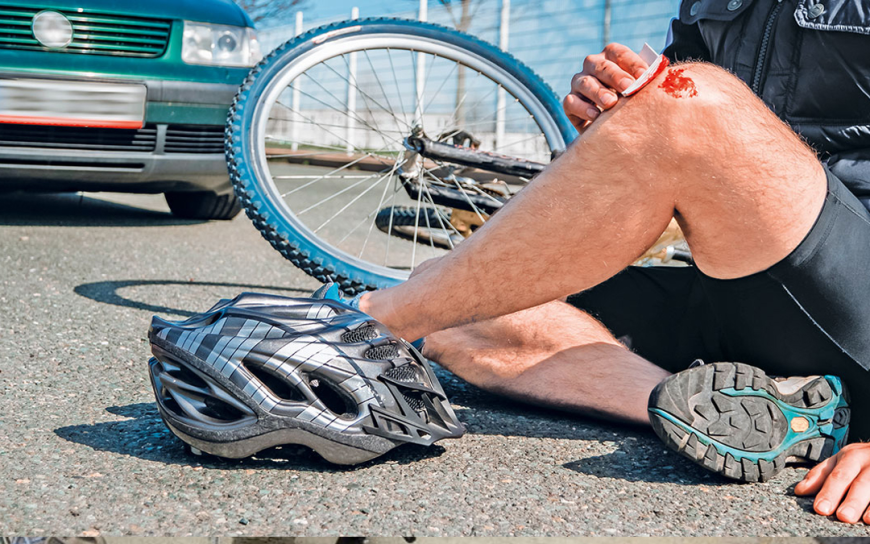
Cyclists often find themselves caught between the flow of traffic and the safety of sidewalks. Parents teaching their kids, commuters trying to dodge busy streets, or casual riders enjoying a weekend outing all run into the same question: can bicyclists ride on sidewalks? The answer isn't straightforward because traffic laws vary widely depending on the state, county, or even the city. Understanding these laws not only helps riders avoid fines but also reduces the risk of accidents and conflicts with pedestrians.
Sidewalk Riding Laws Differ by Location
The first thing to know is that there’s no universal rule. Federal law doesn’t dictate sidewalk use for bikes; instead, the decision rests with state and local governments. For example:
l Some states, like California, allow sidewalk riding but leave it up to cities to set restrictions.
l In cities such as Los Angeles, sidewalk riding is permitted as long as cyclists don’t show “willful or wanton disregard” for people or property.
l Other cities, like New York City, completely prohibit riding on sidewalks for adults.
This patchwork of regulations means riders should always check local ordinances before assuming sidewalks are fair game.
Why Sidewalk Riding Is Controversial
On the surface, sidewalks look safer than busy streets. However, traffic experts often argue the opposite. Here’s why sidewalk riding raises concerns:
l Pedestrian Safety – Sidewalks are designed for walkers, runners, and people with strollers. A fast-moving bike can easily cause injuries if space is limited.
l Driver Visibility – Cyclists entering intersections from a sidewalk are often less visible to drivers, which increases the chance of collisions.
l Unpredictable Movement – Pedestrians don’t move in predictable lines like cars, making it harder for cyclists to anticipate their paths.
This is why many cities encourage or require riders to use bike lanes or the road, where drivers are more likely to expect their presence.
How Cyclists Can Stay Compliant
Because rules differ from place to place, riders should adopt a proactive approach:
l Know Your Local Ordinances: A quick search on your city’s transportation website can clear up sidewalk rules.
l Look for Signs: Many areas post signs where sidewalk riding is prohibited.
l Yield to Pedestrians: Even in cities where sidewalk riding is legal, cyclists must prioritize pedestrian safety.
l Ride Slowly: High speed on sidewalks is dangerous, both legally and practically.
By following these practices, riders can reduce the chance of conflict and avoid unnecessary legal issues.
What to Do If an Accident Happens
Despite best efforts, sidewalk riding can sometimes lead to accidents, either with vehicles or pedestrians. If that happens, it’s important to document the incident, seek medical attention if needed, and consult an attorney. This is where a Bicycle Accident Attorney in LA can be invaluable. They can explain how local traffic laws apply to the case, determine liability, and help injured parties pursue fair compensation.
Many people don’t realize that even if a cyclist is riding legally on the sidewalk, liability in an accident isn’t automatic. An attorney familiar with cycling and pedestrian laws can clarify rights and responsibilities in such situations.
Balancing Safety and Responsibility
So, circling back, can bicyclists ride on sidewalks? The short answer is, “it depends.” Some cities allow it with conditions, while others ban it altogether. But beyond the legal aspect, cyclists need to weigh personal safety and the safety of others. Sometimes riding on the road with proper bike lanes is the safer option, even if sidewalks are legally available.
If you’re ever involved in a collision or injury, speaking with a Bicycle Accident Attorney in LA can provide the guidance you need. Navigating both the legal and safety sides of cycling ensures that everyone, riders, pedestrians, and drivers, shares the road and sidewalks responsibly.
Bottom Line
The rules around sidewalk cycling aren’t black and white. They change from city to city, reflecting unique priorities around safety and transportation. For cyclists, knowing the laws, respecting pedestrians, and riding responsibly are the keys to staying safe and avoiding legal trouble. Whether you’re a commuter, a casual rider, or a parent teaching your child to bike, remember that every choice you make on two wheels has legal and safety implications.
Stay informed, ride smart, and when in doubt, consult a Bicycle Accident Attorney in LA to ensure you’re on the right side of the law.