What Business Owners Should Know About Commercial Roof Performance and Longevity
 press
press
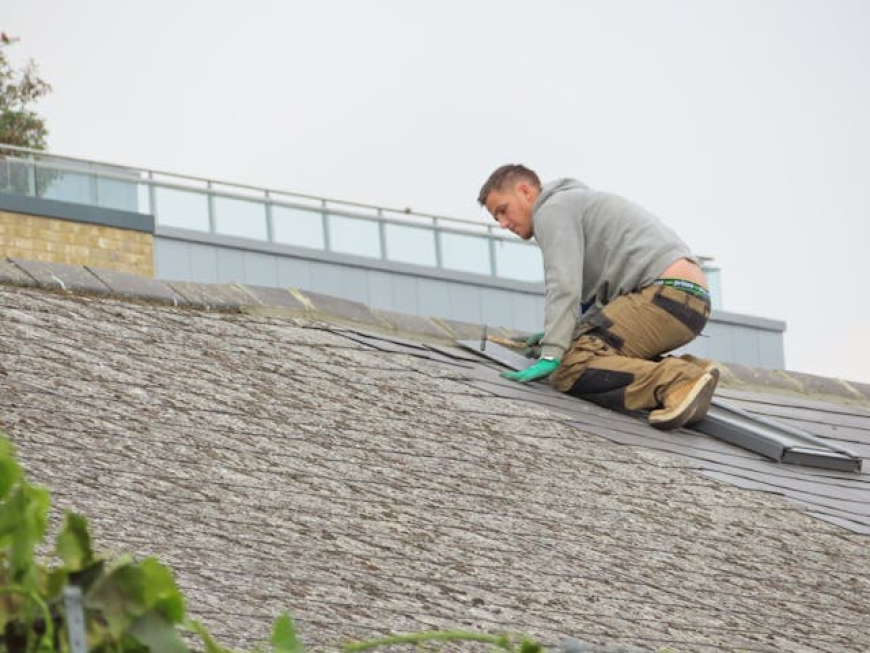
For business owners and property managers, the roof is more than just a structural necessity—it’s a critical asset that protects operations, inventory, employees, and customers. Yet commercial roofs are often overlooked until a leak, drainage issue, or visible damage disrupts daily business. Understanding how commercial roofing systems work, how they fail, and how to plan for maintenance or replacement can help reduce risk and control long-term costs.
This article offers an evergreen, educational overview of commercial roofing considerations, with a focus on performance, durability, and smart decision-making for commercial properties.
How Commercial Roofing Differs From Residential Roofing
Commercial roofs are designed for entirely different demands than residential systems. While homes typically use pitched roofs with shingles, most commercial buildings feature low-slope or flat roofing systems engineered for large surface areas.
Key differences include:
-
Roof design: Flat or low-slope systems require specialized drainage planning
-
Materials: Common options include TPO, modified bitumen, EPDM, and metal
-
Foot traffic: HVAC units and maintenance access increase wear
-
Scale: Larger roofs amplify the impact of small issues
Because of these factors, commercial roofing problems can spread quickly if not addressed early.
Common Commercial Roofing Challenges
Commercial roofs face constant exposure to environmental and operational stress. Some of the most frequent issues include:
Water pooling and drainage problems
Flat roofs must be precisely sloped to prevent standing water. Even minor drainage failures can accelerate membrane deterioration and increase leak risk.
Membrane punctures and seam failures
Foot traffic, fallen debris, and aging materials can weaken seams or create punctures that allow moisture intrusion.
UV and heat degradation
In warmer climates, prolonged sun exposure can cause roofing materials to become brittle or shrink over time, compromising their protective qualities.
Deferred maintenance
Small problems often go unnoticed or ignored until they become expensive emergencies, particularly in large commercial buildings.
Understanding these risks helps business owners prioritize inspections and preventative care.
The Importance of Routine Inspections
Routine inspections are one of the most effective ways to extend the life of a commercial roof. Rather than reacting to leaks, proactive inspections identify vulnerabilities early.
A comprehensive inspection typically evaluates:
-
Membrane condition and seam integrity
-
Flashing around penetrations and edges
-
Drainage systems and ponding areas
-
Signs of moisture beneath the surface
Scheduling inspections at least once or twice a year—and after severe weather—can significantly reduce unexpected repair costs.
Repair, Restoration, or Replacement?
When roofing issues arise, determining the right solution depends on several factors, including roof age, material condition, and the extent of damage.
Repairs
Best suited for localized damage on relatively young roofs. Timely repairs can restore performance without major disruption.
Restoration
Involves applying coatings or reinforcing membranes to extend roof life. Often a cost-effective middle ground when the underlying structure remains sound.
Replacement
Necessary when the roof has reached the end of its service life or when damage is widespread. While more expensive upfront, replacement can improve energy efficiency and reduce ongoing maintenance.
A professional evaluation helps clarify which option offers the best long-term value rather than just the lowest immediate expense.
Planning for Commercial Roofing in a Growing City
In rapidly developing markets, commercial properties experience increased wear due to heat, storms, and expanding infrastructure. Business owners benefit from working with contractors who understand local conditions, building codes, and material performance in the region.
For those researching commercial roofing services in San Antonio, reviewing how experienced providers approach inspections, repairs, and long-term planning can offer useful perspective when evaluating options and setting expectations. You can explore this further by visitingcommercial roofing services in San Antonio.
Budgeting and Long-Term Cost Control
One of the biggest advantages of proactive roofing management is predictable budgeting. Rather than facing sudden emergency repairs, planned maintenance spreads costs over time.
Smart cost-control strategies include:
-
Establishing a preventative maintenance schedule
-
Documenting roof condition and repair history
-
Planning capital reserves for eventual replacement
-
Addressing minor issues before they escalate
Over the lifespan of a commercial roof, these steps can save tens of thousands of dollars and reduce operational disruptions.
How Roofing Impacts Business Continuity
Roof failures don’t just cause physical damage—they can interrupt operations, damage equipment, and create safety hazards. In some cases, leaks can force temporary closures or lead to costly interior repairs.
Maintaining roof integrity supports:
-
Employee safety and comfort
-
Protection of inventory and equipment
-
Consistent customer experience
-
Compliance with insurance and lease requirements
From an operational standpoint, roofing is not just a maintenance issue—it’s a risk management priority.
Conclusion: A Proactive Approach Pays Off
Commercial roofing decisions are rarely simple, but informed planning makes them manageable. By understanding common challenges, prioritizing inspections, and choosing the right repair or replacement strategy, business owners can protect their properties and budgets more effectively.
A proactive approach to commercial roofing reduces surprises, extends roof lifespan, and supports uninterrupted business operations—making it a critical part of long-term property management.