What Are the Most Common Spinal Instruments Used in Neurosurgical Procedures?
 surgeonslab
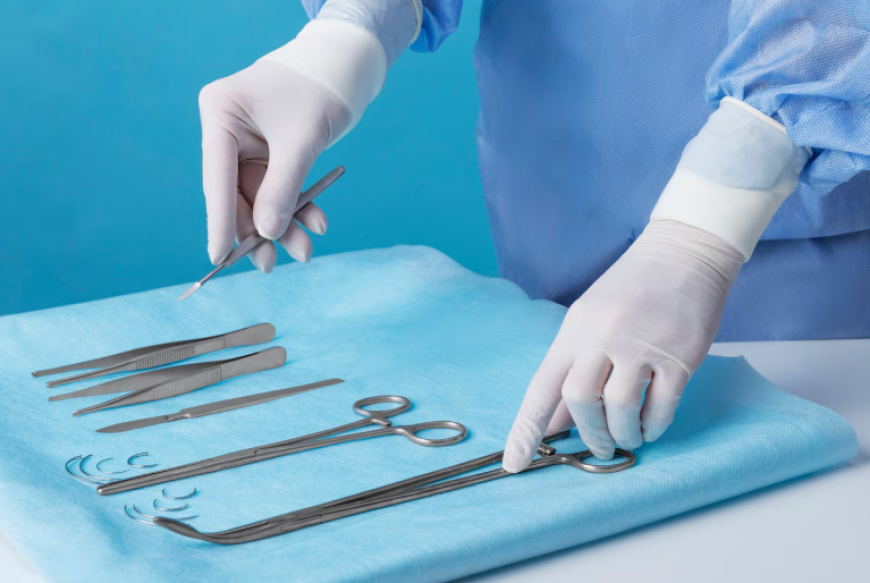
Spinal tools are key to successful neurosurgery, especially during complex decompression and fusion procedures. This guide provides useful insights into different spinal instruments and new trends in the field.
Forceps, Curettes & Dissecting Tools
-
Rongeurs (e.g., Kerrison rongeur) remove bone during laminectomies or foraminotomies with sturdy, scoop-shaped precision.
-
Curettes scrape intervertebral disc material with spoon-shaped accuracy.
-
Dissectors and elevators precisely separate tissue planes, vital for minimally invasive techniques.
Retractors & Hooks
-
Wound/laminectomy retractors (e.g., Caspar retractors) enhance visibility by holding back muscle and bone.
-
Nerve root/spinal hooks protect neural elements while exposing vertebrae.
Drills, Bits & Mallets
-
Cranial drills (craniotomes) create burr holes or remove lamina with high-speed pneumatic power.
-
Bone cutters and mallets prepare bone surfaces for grafting or hardware placement with precision.
Screws, Cages & Rods
-
Polyaxial pedicle screws enable multi-axial alignment with rods, essential for spinal fusion.
-
Interbody fusion cages maintain disc space and facilitate fusion with titanium or composite precision.
-
Harrington rods illustrate the evolution of instrumentation, having historically corrected scoliosis.
Market Trends & Usage Insights
The global spinal instrumentation market reached $7 billion in 2024 and will reach $11 billion by 2031, growing at a CAGR of 6.4%. About 1 million spinal surgeries happen each year in the U.S. This shows a strong need for surgical instruments across the country.
Why These Instruments Matter
-
Precision and safety rely on each tool, from curettes to screws, to preserve neural integrity.
-
Technological advancements improve outcomes: polyaxial screws enhance fixation flexibility.
-
Economic significance is clear; as procedure volumes increase, dependable instrumentation becomes crucial.
Key Takeaway
Understand and utilize the appropriate spinal instruments, including forceps, rongeurs, retractors, drills, screws, and cages, to drive neurosurgical success. With a thriving market and substantial annual surgical volumes, these tools enhance precision, safety, and patient outcomes.
SurgeonsLab offers a platform with high-fidelity simulation models. Trainees can practice spinal decompression and instrumentation in realistic settings. This greatly enhances surgeon readiness.