Introduction
DIL Headers are essential components in electronic systems where clean connections and efficient layouts are required. Despite their simple structure, they contribute significantly to how circuits function, how devices are assembled, and how systems are maintained over time. In modern electronics, where reliability and compact design are critical, these connectors provide a practical and effective solution.
Their dual in line format allows multiple connections to be organised in a small space, making them suitable for a wide range of applications. From prototype boards to industrial equipment, DIL Headers continue to support consistent performance and straightforward integration.
This article explores the key advantages, applications, and design considerations that make these connectors a valuable choice in electronic assemblies.
What Are DIL Headers?
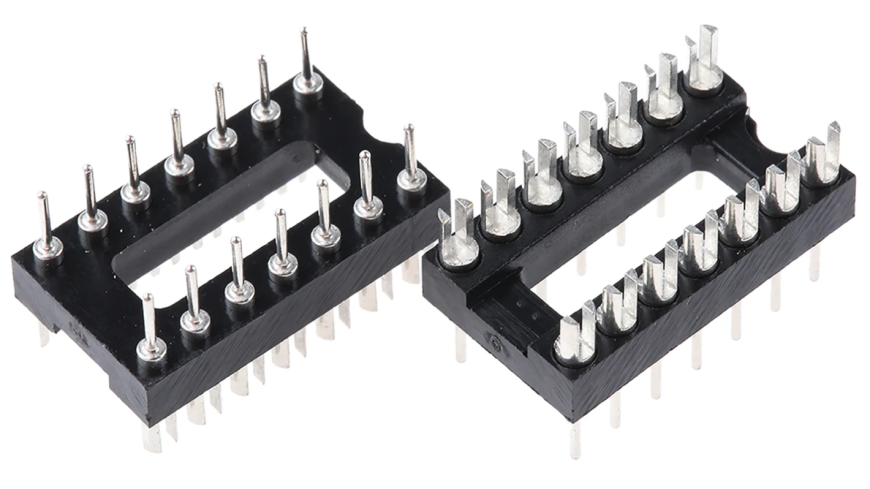
DIL Headers are connectors designed with two parallel rows of pins arranged in a structured layout. These pins are fixed to an insulating base and mounted on a printed circuit board to provide connection points for sockets, cables, or modules.
Their purpose is to provide a stable and organised interface between different parts of an electronic system. Because the pin arrangement is standardised, they are easy to integrate and align with matching connectors. This makes them suitable for systems that require accurate connections and repeatable assembly.
Why DIL Headers Are Widely Used
DIL Headers are widely used because they offer a balance of simplicity and functionality. They help engineers connect multiple signal paths cleanly and efficiently without increasing design complexity.
Their continued use is supported by advantages such as:
- Clear and organised connection structure
- Compatibility with standard electronic components
- Ease of installation and removal
- Support for modular design
- Reliable performance across different applications
These features make them suitable for both small scale and large scale electronic projects.
7 Powerful Benefits of DIL Headers
Compact Multi Pin Connectivity
One of the strongest advantages is their ability to provide several connection points within a limited space. This is especially useful in compact devices where board area must be carefully managed.
Simplified Circuit Integration
DIL Headers allow different parts of a system to connect easily. Whether linking sensors, controllers, or interface boards, they help maintain a clean and logical structure.
Reliable Electrical Performance
When properly installed, these connectors provide stable contact points for signal and power transfer. This helps maintain consistent system operation.
Easy Assembly Process
Their standardised design makes installation straightforward. During production, this can improve efficiency and reduce assembly errors.
Improved Maintenance Access
Systems that use DIL Headers are often easier to service. Components can be disconnected and reconnected without complex procedures, making repairs more efficient.
Flexible Design Options
Available in different sizes and orientations, these connectors can be adapted to various design needs. This flexibility supports both simple and complex electronic layouts.
Strong Mechanical Stability
Once mounted on a PCB, they provide a secure connection that can handle regular use. This is important in systems that require durability and consistent performance.
How DIL Headers Function in a Circuit
These connectors act as an interface between a circuit board and another component. The pins carry signals or power from one part of the system to another through a matching connector or socket.
Their design supports several important functions, including:
- Linking multiple circuit boards
- Connecting removable modules
- Providing access for testing and measurement
- Supporting internal system communication
Because of their organised layout, they help maintain clarity within the circuit design.
Types of DIL Headers
Vertical Headers
Vertical types allow connectors to be inserted from above the board. These are commonly used in systems where space is available above the PCB.
Right Angle Headers
Right angle versions direct the connection sideways. They are ideal for compact designs where vertical space is limited.
Shrouded Headers
Shrouded designs include a guiding structure that helps align the connector correctly. This reduces the chance of incorrect insertion and improves reliability.
Adjustable Header Strips
Some versions can be cut or customised to match specific pin requirements. This allows more flexibility in unique or specialised designs.
Applications Across Electronics
DIL Headers are used in many areas because they are versatile and easy to integrate into different systems. They are commonly found in:
- Embedded systems
- Industrial automation equipment
- Sensor and monitoring devices
- Development boards
- Communication modules
- Consumer electronics
- Control systems
They also support connections in systems that include switches, connectors, LEDs, capacitor networks, and microprocessors, helping maintain an organised internal layout.
Key Considerations Before Selection
Selecting the right connector requires understanding the application's specific needs. Important factors include:
- Number of required pins
- Pin spacing and layout compatibility
- Electrical load requirements
- Mounting method
- Material quality
- Environmental conditions
- Mechanical durability
Choosing the correct option ensures reliable performance and long term usability.
Best Practices for Using DIL Headers
To achieve the best results, these connectors should be included early in the design process. Proper planning helps avoid installation issues and improves system reliability.
Recommended practices include:
- Align the connector orientation with the enclosure design
- Ensure adequate spacing for easy access
- Verify compatibility with mating components
- Use accurate PCB layouts
- Select durable materials for repeated use
These steps contribute to a more efficient and dependable final product.
Conclusion
DIL Headers remain a powerful and practical solution for electronic connections. Their compact structure, reliable performance, and ease of use make them suitable for a wide range of applications. From simple development boards to advanced industrial systems, they support organised layouts and efficient integration.
By offering flexibility, durability, and simplicity, DIL Headers continue to play an important role in modern electronics. When reliable connections and clean design are required, they provide a solution that meets both technical and practical needs.

 joddie25