Why Weekly Lawn Mowing in St. Petersburg, FL Keeps Yards Healthy Year-Round
A neglected lawn shows its stress fast in Florida. One week the grass looks tidy, and the next it's shin-high, patchy, and overrun with weeds.
 roywilson
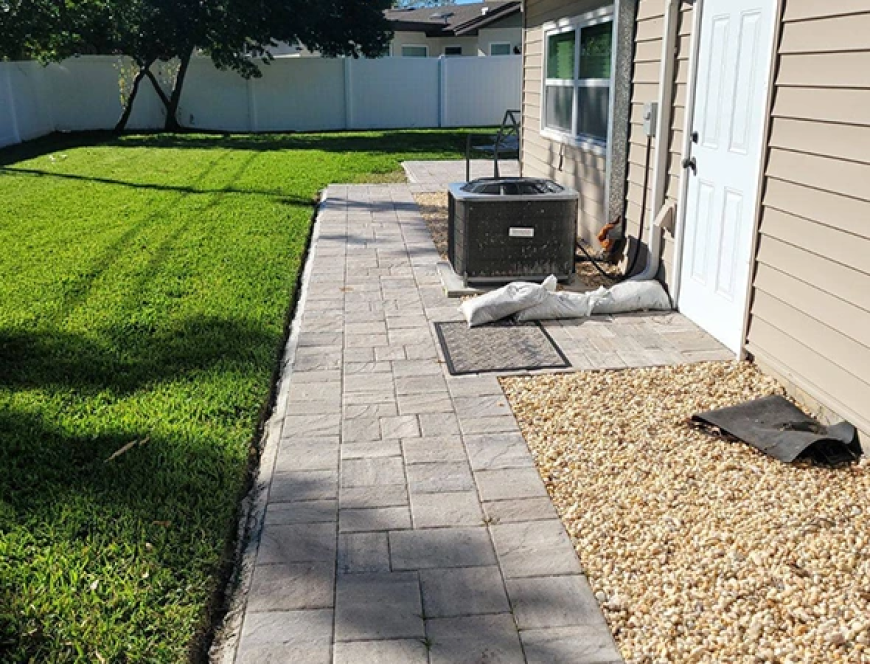
A neglected lawn shows its stress fast in Florida. One week the grass looks tidy, and the next it's shin-high, patchy, and overrun with weeds. That rapid change is exactly why weekly lawn mowing in St. Petersburg, FL has become less of a luxury and more of a routine for many homeowners.
The Gulf Coast climate doesn't slow down. Warm temperatures, heavy summer rain, and long growing seasons push grass to grow quickly for most of the year. Understanding that cycle helps explain why a consistent mowing schedule matters so much in this part of Florida.
The Climate Behind the Constant Growth
St. Petersburg sits in a subtropical zone, which means grass rarely goes fully dormant. Common turf types like St. Augustine, Bahia, and Zoysia thrive in the heat, but they also grow aggressively when rain and humidity peak.
During the wet season, some lawns can grow several inches in a single week. Cutting too infrequently forces you to remove more than a third of the grass blade at once, which stresses the turf and leaves it vulnerable to disease.
That's the core reason weekly cuts work well here. Regular trimming keeps blades at a healthy height without the shock of a heavy chop.
Why Consistency Matters More Than a Single Big Cut
There's a common belief that letting grass grow longer and cutting it back hard saves time. In practice, it often does the opposite of what people expect.
When too much length comes off at once, the lawn browns, thins, and struggles to recover. A steady rhythm avoids that damage and encourages thicker, more even growth.
Consistent mowing also disrupts weed cycles. Many weeds spread by going to seed, and frequent cutting removes those seed heads before they can take hold across the yard.
The Benefits That Add Up Over Time
A regularly maintained lawn does more than look neat. Healthy turf develops a denser root system, which improves its ability to handle drought and foot traffic.
Thicker grass naturally crowds out weeds, reducing the need for heavy chemical treatments later. It also holds soil in place during Florida's intense downpours, cutting down on erosion and runoff.
There's a practical side too. Curb appeal influences property value, and a well-kept lawn signals that a home is cared for. For anyone thinking about selling, that first impression carries real weight.
Consistency, not intensity, is what protects a lawn long term.
Real-World Scenarios Around St. Petersburg
Consider a homeowner who travels often for work. Without a set schedule, their yard swings between overgrown and freshly cut, and the turf never fully recovers between extremes. A weekly rhythm keeps things stable even when they're away.
Rental property owners face a similar challenge. Tenants may not prioritize yard upkeep, so a standing schedule protects the investment and keeps neighbors happy.
These situations aren't unique to one neighborhood. From coastal properties to inland lots, the same growth patterns push residents toward routine maintenance rather than occasional cleanups.
How Nearby Areas Compare
The pattern extends beyond city limits. Homeowners searching for lawn care services in Largo, FL deal with nearly identical conditions, since Largo shares the same humid, rain-heavy climate just north of St. Petersburg.
That regional similarity means the advice holds across much of Pinellas County. Whether a property sits in St. Petersburg or a few miles up the road, frequent mowing during peak season tends to produce the best results.
Local providers such as OCD Landscape & Lawns LLC operate throughout these communities, reflecting how common routine maintenance has become in the area.
Timing Your Mowing Through the Seasons
Growth isn't identical all year. During the hottest, wettest months, weekly cuts are usually necessary to keep pace. In cooler stretches, the interval can stretch a bit as growth slows.
Paying attention to blade height rather than the calendar alone leads to better outcomes. Most warm-season grasses do well when kept between two and four inches, depending on the variety.
Watching the lawn tells you more than any fixed rule. If it looks ready for a trim, it usually is.
The Takeaway
Florida's climate rewards steady care. Weekly lawn mowing keeps turf healthy, discourages weeds, and preserves the appearance and value of a property without the stress of heavy, infrequent cuts.
For homeowners in St. Petersburg and the surrounding areas, building that routine into the week is one of the simplest ways to keep a yard looking its best year-round. If your lawn has been swinging between overgrown and freshly cut, a consistent schedule is the place to start.
Frequently Asked Questions
How often should you mow a lawn in St. Petersburg, FL?
During the warm, rainy season, weekly mowing is usually best because grass grows quickly. In cooler months, you can often stretch the interval as growth slows.
What is the best grass height for Florida lawns?
Most warm-season grasses stay healthiest between two and four inches, depending on the type. Cutting too short weakens the roots and invites weeds.
Does frequent mowing help control weeds?
Yes. Regular cutting removes weed seed heads before they spread and helps grass grow thick enough to crowd weeds out naturally.
Why does my grass grow so fast in Florida?
The subtropical climate brings heat, humidity, and heavy rain for much of the year. These conditions keep warm-season grasses growing far longer than in cooler regions.
Is it bad to let grass grow tall and then cut it short?
It can be. Removing more than a third of the blade at once stresses the lawn, causing browning and thinning that takes time to recover from.