Wall Decor Ideas: Transform Your Space With What You Collect and Care About
Your walls are the backdrop of your daily life. They frame your mornings, witness your work calls, and set the mood for how you feel in your own space. What you put on them matters—not because of design rules, but because of what makes you want to stay in a room. Start With What You Already Own
 abdul_sami24
Start With What You Already Own
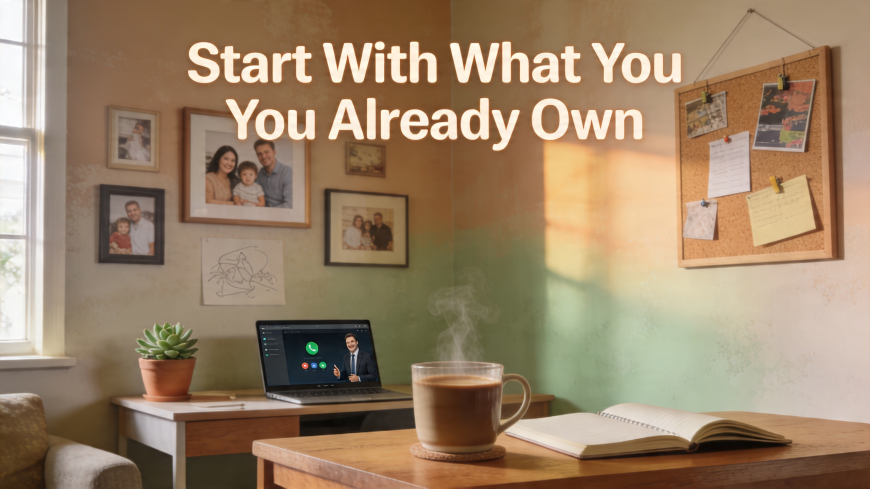
Before buying anything new, look at what's in your closet, your shelves, or stored in boxes. That concert ticket from five years ago, a scarf from a meaningful trip, old book covers you love—these pieces carry your actual history, not a decorator's vision.
Cloth wall hangings work because they're personal. A vintage tapestry has lived somewhere before, carries colors from another time, and costs less than framed art. Scarves with patterns you like can hang from simple rods. Quilts, if you have them, deserve wall time instead of being folded away.
The advantage: your walls tell a story about you rather than about what was trending in design blogs last month.
The Argument for Empty Space
This one contradicts what most interior desgners advice says. A blank wall isn't a failure. It's breathing room. Rooms with walls that have nothing on them feel calm because your eye has somewhere to rest.
If you live in a space where every wall is covered, ask yourself: are you filling space because you want to, or because you think walls need things? Sometimes less changes how a room feels.
Three Approaches to Wall Decor
Collection Display
If you collect something—vintage plates, stamps, old keys, botanical prints, band posters—those items already have meaning to you. Mount them on the wall. The arrangement doesn't need to be perfect. Asymmetrical layouts feel more genuine than grid patterns because that's how people actually collect things over time.
Use simple nails or brackets. The frame or mount is just the support system; the collection is what matters.
Mixed Media Walls
Combine different elements: a piece of framed art next to a shelf holding small objects. A mirror beside a textile. Hooks with functional items hanging from them. A corkboard with photos and notes pinned to it.
This approach works because your walls become functional. They're not just decoration—they hold things you use and see every day. A wall hooks for bags and hats, a shelf for books you're reading, a clipboard with a changing rotation of papers. This transforms decoration into something you interact with.
Paint as the Main Element
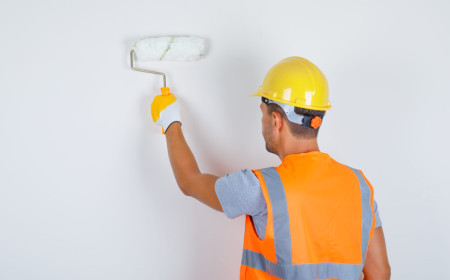
Sometimes the best wall decor is color. Paint one wall a shade that interests you. This costs money but not as much as filling the wall with objects.
One painted wall shifts how you see a room. You notice the light on that color at different times of day. The room develops character from the paint choice rather than from accumulation of items.
If painting feels permanent, removable wallpaper exists. It's easier to commit to when you know you can change it.
Materials That Age Well
Canvas prints fade in sunlight. They become dull over two or three years. If you want something printed to hang, choose photo prints on matte paper in simple frames. They hold their color better.
Wood frames develop character. Metal frames stay the same but feel clinical. Natural materials—cork, linen, unfinished wood—work with most spaces because they're neutral but not boring.
For textiles, natural fibers show their age in good ways. A linen wall hanging gets softer. A wool tapestry shows wear patterns that look honest rather than damaged.
Deciding What to Keep and What to Remove
Walk into your room and look at what's on the walls. For each item, ask: Do I notice this? Does it remind me of something I care about, or does it sit there taking up space?
Decor you ignore should come down. There's no point maintaining something on your wall that doesn't register to you anymore. What registers to you changes. That's not failure—that's how you grow.
Update walls when your life changes. When you move to a new place, get a new job, or spend time caring about something different, your walls can shift with you.
The Installation Question
Not every wall decoration needs to be permanent. Hooks can hold things that rotate. Removable adhesive strips work for light items. Leaning something against the wall, especially on a shelf, counts as decoration—it just happens to be changeable.
The best installation method is the one you'll maintain. If it's complicated to put up, you won't adjust it when you want to. If it's simple, you'll move things around and keep your walls from feeling stale.
Specific Ideas Depending on Your Space
In a bedroom: your walls should feel calm. Avoid busy collections. A single piece of art, a woven wall hanging, or just painted walls work. Your bedroom doesn't need to impress anyone—it needs to help you sleep.
In a kitchen: open shelving on walls shows your dishes, cookbooks, and jars. This is decoration that works. It's beautiful and functional. Paint above shelves, keep below them clear for what you use.
In an office or workspace: walls around your desk shape your focus. Photos of people you care about help more than abstract art. A calendar, a map, a quote you actually believe in—these give your brain something meaningful to land on during a long day.
In a hallway: walls move people through. A series of framed photos, a gallery of mixed prints, a long shelf—these guide the eye forward and make the passage feel intentional instead of like a corridor.
The Honest Approach
Good wall decor isn't about filling space with things that match. It's about choosing to look at what's in front of you and deciding: this matters to me.
The pieces that work best are ones you picked because you wanted them there, not because they fit a style or checked off a list. When you look at your walls, you should see something of yourself reflected back. That's what makes a wall worth decorating in the first place.