Varicocele Treatments Explained: Options, Costs & Success Rates
Discover effective Varicocele Treatments explained with options, costs & success rates. Get expert insights, realistic expectations, and step‑by‑step advice for better choices.
 flowcare
Introduction
If you’re researching Varicocele Treatments, you're not alone—this common condition affects millions of men worldwide and can impact comfort, fertility, and daily life. In this article, we dive into Varicocele Treatments Explained: Options, Costs & Success Rates, breaking down each approach in a clear, human-centered way. Whether you're considering natural remedies or exploring advanced surgical methods, this guide—brought to you by FlowCare—helps equip you to make informed decisions.
What is a Varicocele?
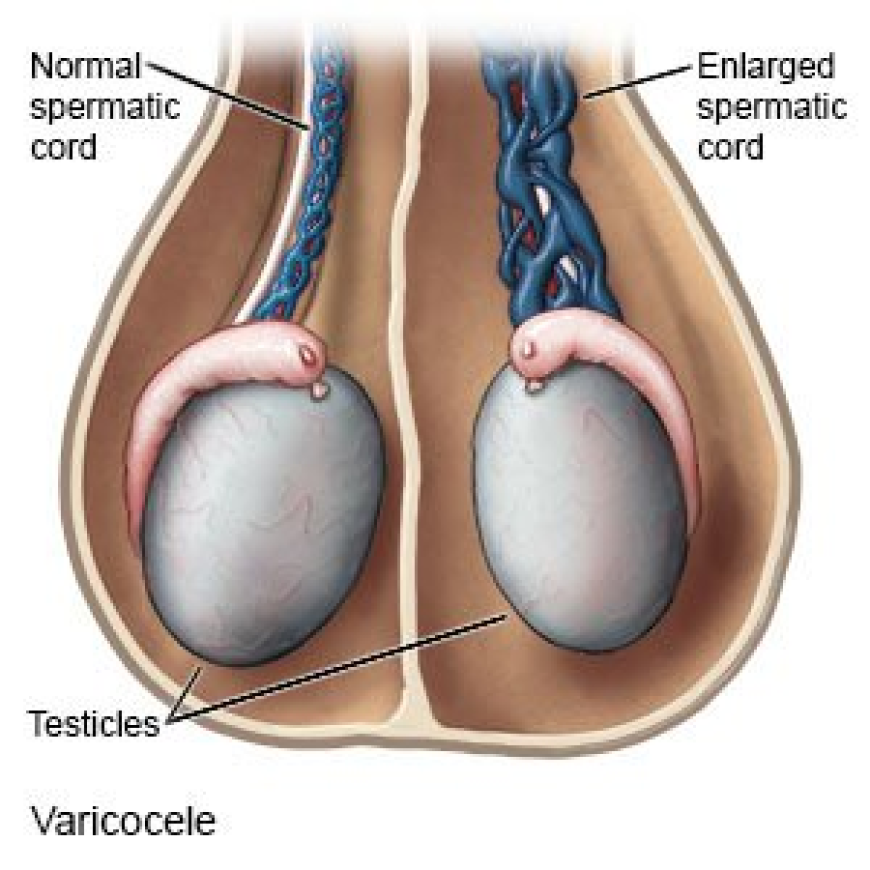
A varicocele occurs when veins in the scrotum become dilated due to impaired blood flow, similar to varicose veins in the legs. Often painless, it can occasionally cause discomfort, a heavy sensation, or lead to fertility challenges due to higher testicular temperature affecting sperm quality.
Why Treatment Matters
-
Pain Relief & Comfort: Persistent aching or heaviness becomes easier to manage.
-
Improve Fertility: Smaller sperm counts or motility issues can improve post-treatment.
-
Prevent Testicular Damage: Reduces risks of shrinkage or hormonal imbalances.
-
Boost Quality of Life: Restored physical comfort and reduced anxiety.
Overview of Varicocele Treatments Explained: Options, Costs & Success Rates
Let’s explore a spectrum of treatment choices―from natural to surgical―to help you find what aligns with your condition, preferences, and lifestyle.
1. Lifestyle Changes & Supportive Care
A. Nutrition & Anti-Inflammatory Diet
Eating nutrient-rich foods supports vascular health. At FlowCare, we recommend a diet filled with fruits, vegetables, whole grains, lean proteins, healthy fats, and hydration. This thoughtful dietary approach supports vein wall strength and reduces inflammation.
B. Physical Activity & Scrotal Support
Low-impact exercises—like walking, swimming, or yoga—promote healthy circulation. Ditch heavy lifting or maneuvers that spike abdominal pressure unless properly coached. Supportive underwear or compression briefs also help reduce throbbing sensations during the day.
Pros: Non-invasive, low-cost, boosts overall health.
Cons: May not fully resolve moderate to severe cases.
2. Herbal Supplements & Natural Remedies
Though research varies, certain supplements show promise in vein support:
-
Diosmin–Hesperidin: Natural flavonoids promoting vein integrity.
-
Grape Seed Extract or Pine Bark (Pycnogenol): Antioxidants that reinforce veins.
-
Horse Chestnut Extract: Traditionally used to reduce vein inflammation.
Always talk with a healthcare provider to determine safe dosages and rule out potential interactions with medications.
3. Radiological Treatments
A. Varicocele Embolization
A minimally invasive procedure where a radiologist threads a catheter into problematic veins and deploys coils or sclerosants to stop blood flow. It’s often done outpatient with local anesthesia.
-
Cost: ₹1–2 lakh in India (private)
-
Success Rate: 85–90%
-
Recovery: 2–5 days
B. Sclerotherapy
Similar to embolization, but the vein is collapsed using a sclerosant under ultrasound guidance. It’s generally faster and often only requires mild sedation.
-
Cost: ₹70,000–1.2 lakh
-
Success Rate: 80–85%
-
Recovery: 3–7 days
Both procedures are less invasive than surgery and ideal for those wishing to avoid incisions or general anesthesia.
4. Surgical Procedures
A. Microsurgical Varicocelectomy
Regarded as the gold standard, it uses microsurgical techniques to isolate and tie off enlarged veins while protecting arteries and lymphatics.
-
Cost: ₹50,000–1 lakh
-
Success Rate: 95–98%
-
Recovery: Resume routine in 1 week; full recovery by 2–4 weeks
B. Laparoscopic Varicocelectomy
A minimally invasive surgery using small incisions and special instruments to seal the veins.
-
Cost: ₹60,000–1.2 lakh
-
Success Rate: 90–95%
-
Recovery: Similar to microsurgery, with faster healing for small incisions
C. Robot-Assisted Surgery
An advanced option requiring specialized equipment and precision.
-
Cost: ₹1–1.5 lakh+
-
Success Rate: About 95% with fewer complications
-
Recovery: 1–2 weeks, similar to other surgical methods
Comparing Treatment Options
| Treatment | Invasiveness | Cost (India) | Success Rate | Recovery Time |
|---|---|---|---|---|
| Lifestyle & Support | Non-invasive | Minimal | Variable | Immediate, ongoing |
| Herbal Supplements | Non-invasive | Low–Medium | Mild–Moderate | Weeks |
| Embolization | Low (radiological) | ₹1–2 lakh | 85–90% | 2–5 days |
| Sclerotherapy | Low (radiological) | ₹70,000–1.2 lakh | 80–85% | 3–7 days |
| Microsurgical Varicocelectomy | Minor surgery | ₹50,000–1 lakh | 95–98% | 1–4 weeks |
| Laparoscopic Surgery | Minimally invasive | ₹60,000–1.2 lakh | 90–95% | 1–2 weeks |
| Robotic Surgery | Minimally invasive | ₹1–1.5 lakh+ | ~95% | 1–2 weeks |
How to Choose the Right Option
-
Severity of Symptoms: Mild cases may respond well to conservative care; pain or fertility concerns often require medical intervention.
-
Age & Fertility Goals: Young men planning for children typically benefit most from higher success-rate procedures.
-
Aversion to Surgery: Embolization or sclerotherapy are excellent alternatives to surgical options.
-
Budget & Recovery Time: Herbal and lifestyle changes are wallet-friendly; expect higher medical intervention costs but faster, more reliable fixes.
-
Medical Guidance: Consulting urologists or vascular specialists ensures personalized recommendations and realistic expectations.
Real‑Life Insights
Patients often report relief from discomfort within days after embolization or weeks after surgery. Fertility boosts—when small sperm counts are a concern—are usually noticeable within 3–6 months as the body recovers and sperm production improves.
What to Expect After Treatment
-
Follow‑up Ultrasounds: Typically recommended 3 and 6 months post-treatment to ensure veins are still sealed.
-
Lifestyle Maintenance: Continue healthy eating, regular exercise, hydration, and scrotal support to prevent recurrence.
-
Symptom Monitoring: Watch for pain returning, swelling, or testicular changes—consult your doctor if concerns arise.
Conclusion
When Varicocele Treatments Explained: Options, Costs & Success Rates is the keyword driving your search, remember there’s no one-size-fits-all solution. From dietary adjustments and scrotal support to embolization or microsurgery, each treatment offers unique benefits. Work with your healthcare provider to balance symptom severity, fertility priorities, budget, and recovery expectations.
Start with conservative care—good diet, anti-inflammatory habits, supportive wear—and supplement if needed. If fertility or pain issues persist, minimally invasive procedures or gold-standard surgeries offer the highest success rates. Lastly, stay proactive with follow-ups, ultrasound monitoring, and a healthy lifestyle to ensure lasting results.