Vacuum Tube Amplifier: The Warm Sound That Never Gets Old
 petergrw
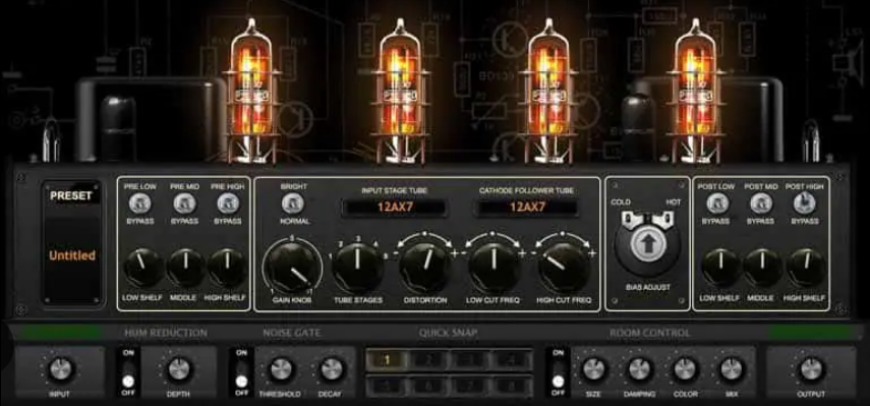
In an age where digital music and portable speakers dominate, there’s one piece of audio technology that continues to hold its ground — the Vacuum Tube Amplifier. Whether you’re an audiophile, a musician, or just someone who loves rich, warm sound, tube amplifiers bring a nostalgic charm that modern systems often can’t replicate.
But what exactly is a vacuum tube amplifier, and why do people still love it in 2025? Let’s explore everything you need to know — from how it works to why it’s still a top pick for sound purists around the world.
🔌 What Is a Vacuum Tube Amplifier?
A vacuum tube amplifier (also known as a valve amplifier) is a type of electronic amplifier that uses vacuum tubes to increase the power of an audio signal.
Before transistors became popular, vacuum tubes were the heart of radios, televisions, and early computers. In audio systems, they amplify small electrical signals from your instrument or music source into large enough signals to drive speakers.
The magic lies in how these tubes shape the sound — giving you a warm, smooth, and natural tone that digital circuits often struggle to reproduce.
🎚️ How Does a Vacuum Tube Amplifier Work?
The working principle is quite simple once you break it down:
-
Input Signal: The amplifier receives a weak electrical signal (for example, from a guitar or turntable).
-
Vacuum Tube Action: Inside the tube, electrons move through a vacuum between the cathode (which emits electrons) and the anode (which collects them).
-
Control Grid: A small voltage on the grid controls the flow of electrons — essentially amplifying the signal.
-
Output Signal: The amplified signal is sent to your speakers, producing that rich, dynamic sound tube amps are famous for.
In short, vacuum tubes act like tiny “volume multipliers,” turning low-level sounds into powerful, full-bodied audio.
🎵 Why Audiophiles Love Vacuum Tube Amplifiers
Despite being old-school technology, vacuum tube amplifiers are far from outdated. Here’s why sound enthusiasts still swear by them:
1. Warm, Natural Sound Quality
Tube amplifiers produce a sound often described as warm, smooth, and organic. The distortion they create is harmonic — meaning it blends naturally with the music instead of sounding harsh.
2. Rich Harmonics and Musical Detail
Unlike solid-state amps that can sound clinical or cold, tube amps emphasize natural overtones. This gives instruments like guitars, violins, and vocals a more emotional, “live” feel.
3. Dynamic Range and Presence
Tube amps respond dynamically to your playing or volume changes. In musical terms, they “breathe” with your performance, making quiet parts soft and loud parts powerful without losing clarity.
4. Classic Vintage Appeal
Beyond sound, there’s something undeniably nostalgic about watching the glowing glass tubes light up your listening room. It’s audio with personality — a piece of art as much as a machine.
⚙️ Types of Vacuum Tube Amplifiers
Vacuum tube amplifiers come in different configurations, each with its own sound character and technical setup.
1. Single-Ended Amplifier
-
Uses one tube per channel
-
Produces a smooth, warm tone with natural distortion
-
Ideal for low to moderate volume setups
2. Push-Pull Amplifier
-
Uses pairs of tubes working in opposite phases
-
Offers higher power and better efficiency
-
Produces a cleaner, tighter sound — great for rock or orchestral music
3. Integrated Tube Amplifier
-
Combines a preamp and power amp in one unit
-
Perfect for home listening or small studios
-
Easier to set up and maintain
4. Hybrid Tube Amplifier
-
Uses both tubes and solid-state components
-
Tubes handle the tone shaping; transistors handle power output
-
Provides a mix of warmth and efficiency
🎸 Tube Amps vs. Solid-State Amps
| Feature | Vacuum Tube Amplifier | Solid-State Amplifier |
|---|---|---|
| Sound Quality | Warm, smooth, natural harmonics | Clear, precise, but sometimes sterile |
| Durability | Fragile tubes, need maintenance | Very durable and low-maintenance |
| Cost | Usually more expensive | Affordable and widely available |
| Power Efficiency | Less efficient, runs hotter | More energy-efficient |
| Preferred By | Audiophiles, guitarists, music purists | Everyday users, professionals needing reliability |
In short, if you value emotion and warmth in your sound, go for a vacuum tube amplifier. If you prefer clean and efficient performance, a solid-state amp might be better.
🔧 Maintenance Tips for Vacuum Tube Amplifiers
Owning a tube amp comes with some care requirements, but it’s worth the effort for the sound you get. Here’s how to keep yours running smoothly:
-
Warm-Up Before Use: Give your amp 1–2 minutes to warm up before playing — tubes perform best at stable temperature.
-
Avoid Overheating: Ensure proper ventilation. Never cover the amp when in use.
-
Replace Tubes Periodically: Tubes wear out over time (typically after 1,000–5,000 hours). Replace them when you notice dull or distorted sound.
-
Handle Gently: Tubes are made of glass — avoid shaking or moving the amp while it’s hot.
-
Use a Voltage Stabilizer: Protects your amplifier from power fluctuations and increases tube life.
🏠 Best Uses of Vacuum Tube Amplifiers
Vacuum tube amplifiers are not just for musicians — they’re used in many places where sound quality matters.
-
🎶 Home Audio Systems: For vinyl lovers and music purists seeking warm, detailed playback.
-
🎸 Guitar and Instrument Amps: Preferred by professionals for expressive tone and natural distortion.
-
🎧 Hi-Fi Headphone Setups: Some audiophiles use tube headphone amps for richer, smoother sound.
-
📻 Vintage Collectors: Many people collect or restore tube amps for their historical and aesthetic value.
💡 Why Tube Amps Still Matter in 2025
With advanced digital amplifiers and AI-driven sound systems, you might wonder why people still choose vacuum tube amplifiers. The answer is simple: emotion.
Tube amps deliver a sound that feels human — warm, dynamic, and alive. They bridge the gap between vintage charm and modern music listening. While digital systems aim for perfection, tube amplifiers celebrate imperfection in the most musical way possible.
Even today, high-end audio brands continue to release new tube designs, combining retro sound with modern engineering — giving listeners the best of both worlds.
🔊 Choosing the Right Vacuum Tube Amplifier
When buying a tube amplifier, keep these points in mind:
-
Match Power Output to Room Size – For small rooms, a 10–20W amp is enough; larger spaces may need 50W or more.
-
Check Tube Type – Popular ones include EL34, 6L6, KT88, and 12AX7. Each has a unique sound signature.
-
Go for Reliable Brands – Some trusted names are McIntosh, Cayin, Line Magnetic, PrimaLuna, and Fender (for instruments).
-
Budget Wisely – Tube amps can range from ₹20,000 to ₹2,00,000+. Choose based on your use and listening preferences.
-
Test Before Buying – Whenever possible, listen to the amp with your own speakers or headphones to find your preferred tone.
🎧 Final Thoughts
The Vacuum Tube Amplifier isn’t just a piece of equipment — it’s an experience. It takes you back to the golden age of sound, where music felt more real and alive.
While solid-state and digital amps may win on convenience, nothing compares to the warmth, emotion, and character that a vacuum tube amplifier delivers.
If you love the depth of analog sound, glowing tubes, and music that moves your soul, then this timeless technology is still your best bet — even in today’s digital world.